What a Tie Breaker Does
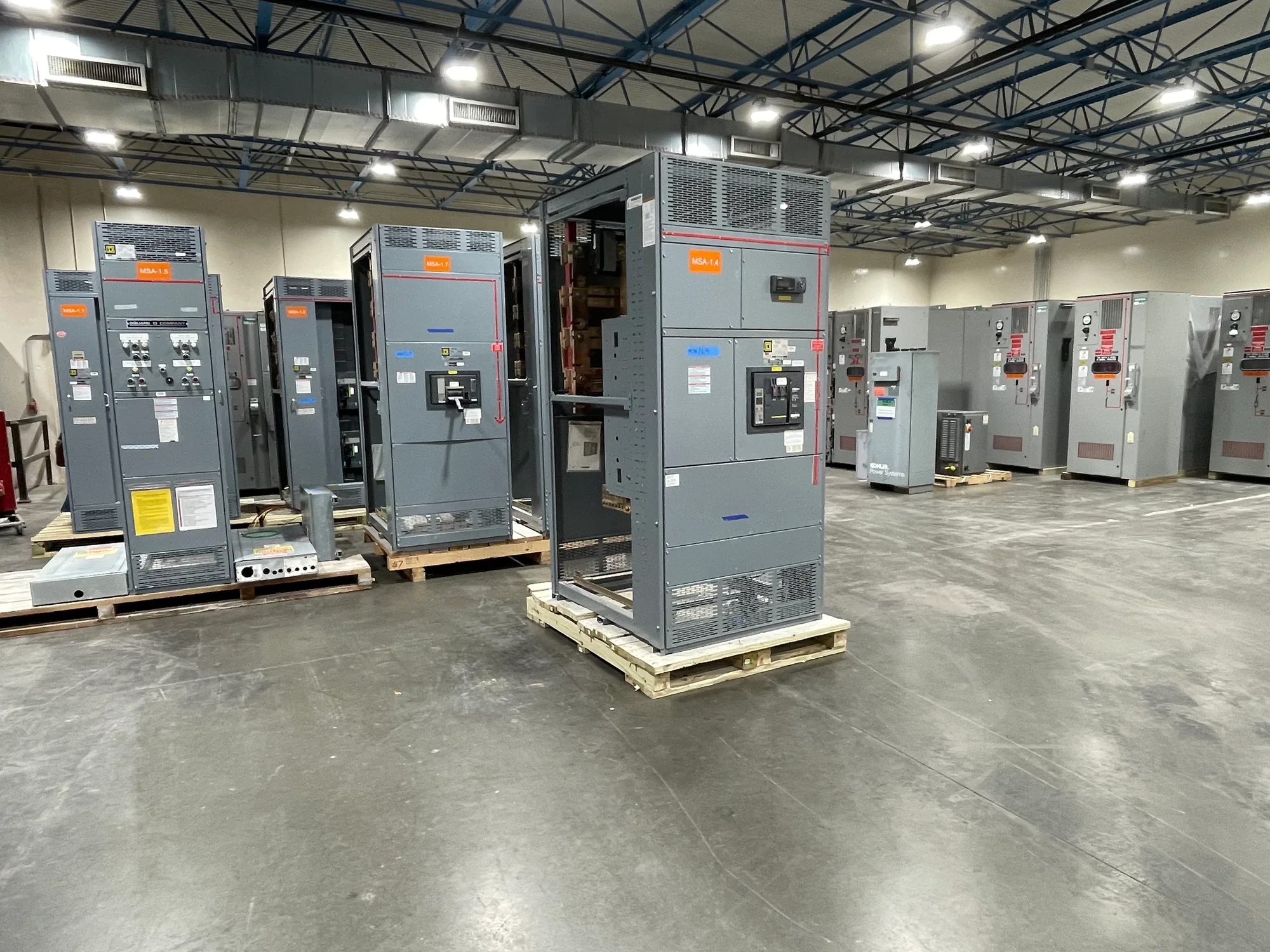
A tie breaker is a circuit breaker positioned between two sections of a switchgear bus. When closed, it creates an electrical connection between those sections; when open, it separates them. This arrangement gives a power system a controlled point for transferring or sharing supply, subject to the system design. The term describes the breaker’s role in the lineup, not a particular voltage rating, interrupting capability, or operating scheme. A tie may connect sections supplied by separate sources, sections associated with different transformers, or portions of a larger distribution system. The exact arrangement varies by project. Engineers distinguish the tie breaker from feeder breakers, which serve outgoing circuits, and main breakers, which connect incoming sources to bus sections. Understanding that distinction helps teams discuss the single-line diagram, equipment layout, and operating intent consistently.
Why Divide a Bus Into Sections
Dividing a bus into sections can support operational flexibility and limit the extent of an interruption, but it also introduces design and coordination decisions. With the tie open, each section may operate from its assigned source. If one source or section must be isolated, a planned operating sequence may allow the other section to support selected loads through a closed tie. Whether that transfer is permissible depends on source capacity, load demand, protection, and the approved operating procedure; a tie breaker does not automatically provide redundancy. Closing the tie can also parallel sources if both mains remain connected, which may be restricted or require specific controls. Engineers should define the normal lineup, permitted switching states, and response to abnormal conditions. Those decisions inform breaker selection, interlocking, control logic, and labeling, and help operators understand the consequences of each switching action.
| System | Voltage, phase, current and available fault current |
|---|---|
| Configuration | Lineup, protection, controls and enclosure as specified |
| Compliance | Applicable standards and listing confirmed for the assembly |
| Delivery | California and nationwide; schedule confirmed by quote |
Protection and Switching Coordination
The tie breaker must be considered as part of the complete protection system, not selected in isolation. The design team evaluates available fault current for relevant operating configurations, including conditions with the tie open and closed, and coordinates protective devices so faults can be cleared appropriately. A closed tie may change current paths and fault contributions, affecting settings or the protection approach for mains and feeders. Depending on the design, controls or mechanical and electrical interlocks may prevent unsafe or unintended combinations, such as paralleling sources without authorization. Interlocking requirements should follow the project’s operating philosophy and be documented clearly. Qualified professionals determine protection, ratings, and applicable codes for the specific installation. For medium- or high-voltage equipment, identify and verify standards applicable to that equipment. For low-voltage switchboards, UL 891 may apply where relevant; that standard reference does not establish a third-party listing.
Information Needed for Equipment Design
A clear equipment inquiry should include the one-line diagram and identify both bus sections, their incoming sources, and the intended normal and emergency operating states. Provide system voltage, frequency, phase, grounding method, available fault-current information, and the required continuous-current and interrupting ratings as design inputs for review. Include load data and clarify whether the tie is expected to carry the full load of either section, support only selected loads, or remain open except during specified conditions. Describe any requirements for source paralleling, transfer logic, interlocking, metering, relaying, communications, and local or remote operation. Physical constraints also matter: lineup arrangement, cable entry, room access, environmental conditions, and connections to adjacent equipment can shape the design. Final ratings and configuration must be confirmed against project documents and applicable requirements rather than assumed from the term “tie breaker.”
Reviewing a Tie Breaker Arrangement
Before releasing a design, the project team should check that the single-line diagram, control narrative, equipment schedule, and operating procedure describe the same tie-breaker function. Confirm which breakers must be open or closed for each approved state, how operators know the system’s status, and what conditions block a switching action. Review load-transfer limits, protection settings, fault studies, and maintenance isolation needs with the responsible electrical professionals. Contractors can help by confirming site interfaces, conduit and cable routes, access clearances, and the sequence for installation and commissioning. Buyers should identify project-specific requirements early and ask which design inputs remain unresolved. Switchgear Builder California manufactures new switchgear in the United States with American components and supplies equipment to customers in California and nationwide. Project configurations and schedule-sensitive options require review; discuss the application, documentation, and constraints with the manufacturer before finalizing procurement.