Define the Equipment Before Requesting a Quote
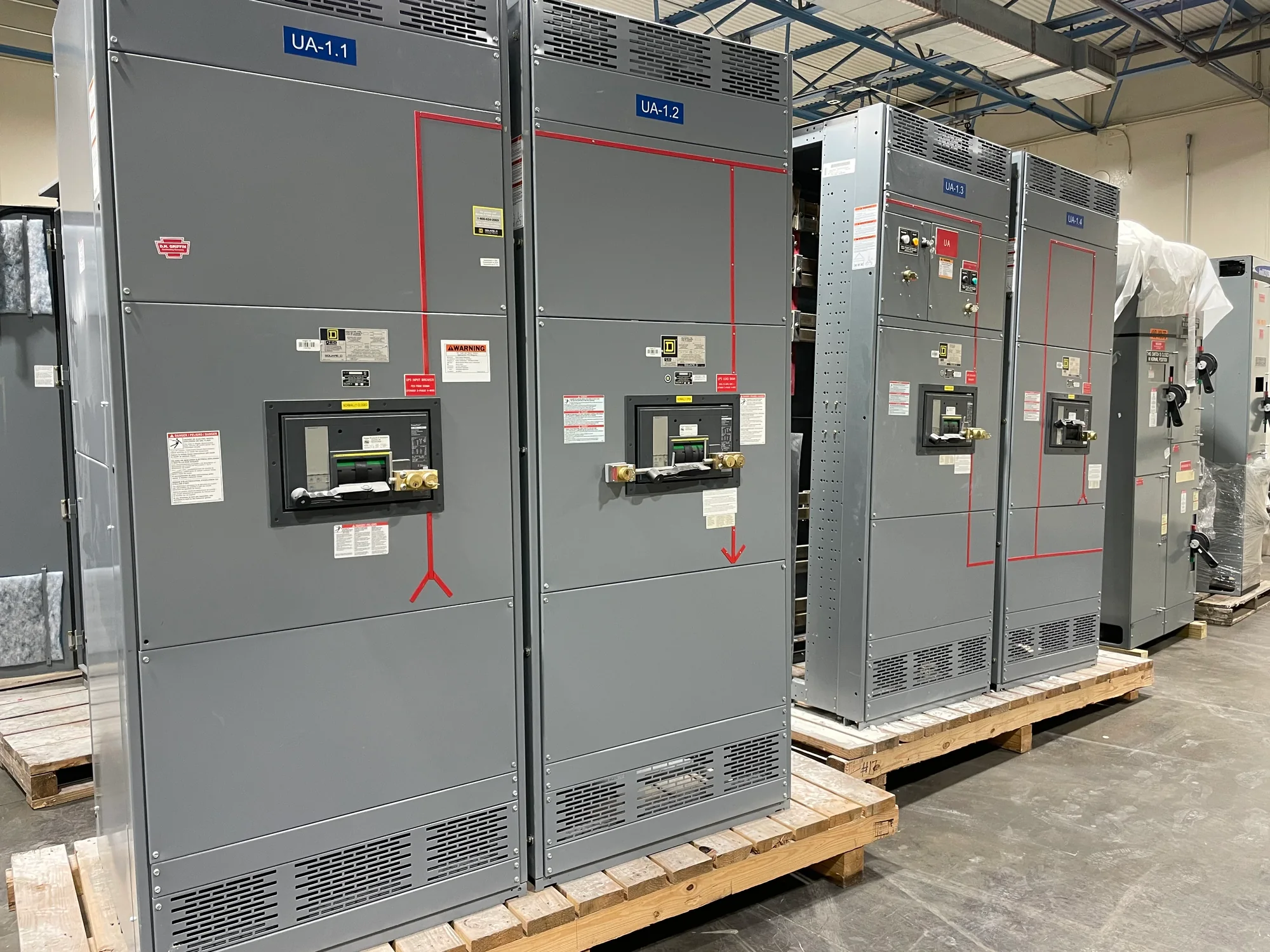
A useful manufacturing request begins with the job the equipment must perform, not just the main bus amperage. Share the latest single-line diagram, system voltage and frequency, source arrangement, load schedule, feeder count and expected future circuits. Identify available fault current at the installation point and provide any relevant short-circuit and coordination studies. The project engineer can use these inputs to establish required assembly withstand or short-circuit ratings and protective-device interrupting ratings; the two are not interchangeable. Tell us whether the lineup will serve a utility connection, transformer, generator or multiple sources, and describe metering and control requirements. Site conditions matter too: indoor or outdoor placement, ambient temperature, cable entry, working clearances and access for maintenance all influence the design. Our new equipment is manufactured in the USA with American components. Discuss component preferences and project-specific sourcing documentation during the quotation review, along with the desired scope of supply.
Turn Engineering Inputs Into a Buildable Lineup
Manufacturing starts with an electrical and mechanical design that ties the specified ratings to a workable enclosure and component arrangement. Engineers coordinate the main and feeder devices, bus configuration, grounding and bonding points, cable terminations and control power. A lineup layout also needs space for conductor bending, barriers, ventilation and access to equipment that will require operation or maintenance. Where sections must be shipped separately, the drawings should identify field bus splices and connection responsibilities. Fabrication and assembly then follow the reviewed design. Structural and enclosure parts are formed and fitted, bus conductors are prepared and supported, and protective devices, meters and terminals are mounted and wired. Clear identification helps technicians trace circuits against the drawings. Manufacturing decisions depend on the selected components and project requirements, so discuss material choices, environmental exposure and expansion provisions before releasing the design. Changes after release can affect both interfaces and the agreed schedule.
| System | Voltage, phase, current and available fault current |
|---|---|
| Configuration | Lineup, protection, controls and enclosure as specified |
| Compliance | Applicable standards and listing confirmed for the assembly |
| Delivery | California and nationwide; schedule confirmed by quote |
Review Drawings, Standards and Test Plans
Before fabrication proceeds, the buyer, electrical engineer and installing contractor should agree on who reviews each drawing and resolves conflicts. Examine the single-line diagram, elevations, section dimensions, foundation and anchorage interfaces, wiring diagrams and terminal schedules together. Check that the utility's service and metering requirements are reflected where applicable, and confirm who submits documents to the utility and authority having jurisdiction. California projects may also require site-specific seismic and installation review. Identify the codes and product standards applicable to the actual equipment and installation rather than assuming one standard covers every lineup. For a low-voltage switchboard, review whether UL 891 applies and what listing or field-evaluation evidence the project requires; applicability alone does not establish a listing. Agree on inspection points, test procedures, acceptance criteria and any witness arrangements before testing. The final documentation package should identify applicable results, settings and drawings, with field commissioning responsibilities clearly assigned.

Modernize Equipment You Already Own
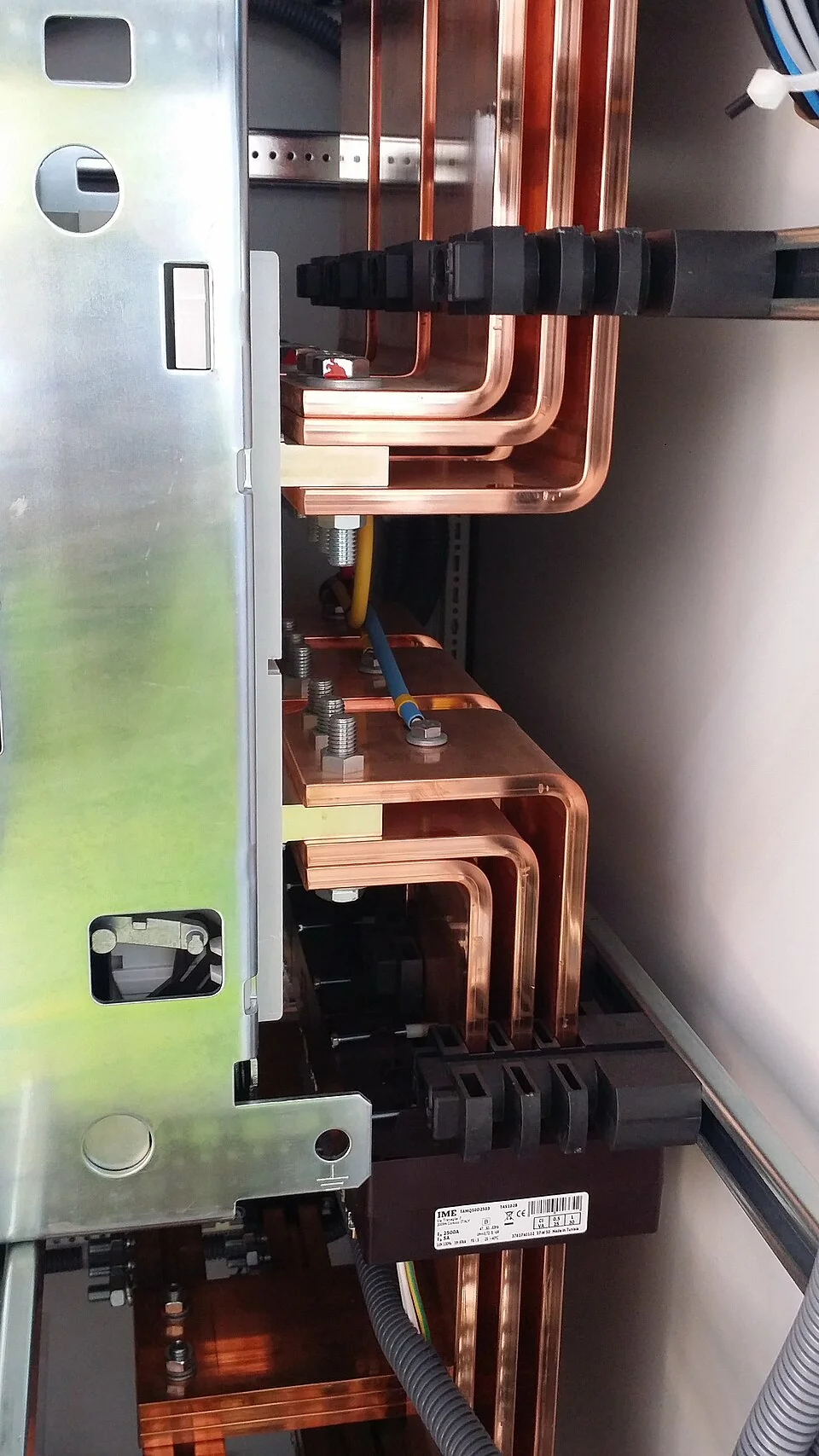
A retrofit can address an operational need without automatically replacing an entire lineup. Depending on the assessment, the work might involve new protective devices, relays, controls or metering within equipment that remains customer-owned. Start with nameplate data, existing drawings, photographs, maintenance history and a description of the problem. A site survey may be needed to confirm dimensions, condition, available space and actual connections; old drawings alone may not match the installed assembly. The proposed modifications must be checked for mechanical fit, bus and termination interfaces, fault duty, protection coordination and compatibility with existing interlocks. The project team should also review whether changes affect the equipment's original ratings, listing or approval, and determine what evaluation or acceptance is required. Compare those findings with a new replacement, including spare parts, future capacity and installation complexity. Qualified personnel should plan isolation, lockout and verification of de-energization, as well as temporary power and the outage window.
Coordinate Purchase, Delivery and Handover
A clear purchase scope separates what the manufacturer provides from what the contractor, engineer and owner must arrange. Review the proposed equipment configuration, drawings, tests, documentation, freight terms and any commissioning or retrofit services. Ask which information is still outstanding, who approves design changes and how changes will be documented. If a shutdown or energization date drives the project, share it early; component availability, drawing approvals, utility review and site readiness all affect the schedule, which should be confirmed for the specific order. We serve California projects and ship nationwide, with destination and freight arrangements confirmed during quotation. Before delivery, coordinate unloading equipment, shipment splits, storage conditions and the route into the electrical room. The installation team should inspect the shipment and follow the supplied instructions for assembly and connections. At handover, reconcile final drawings and test records with the installed configuration, and assign responsibility for protective settings and startup verification.