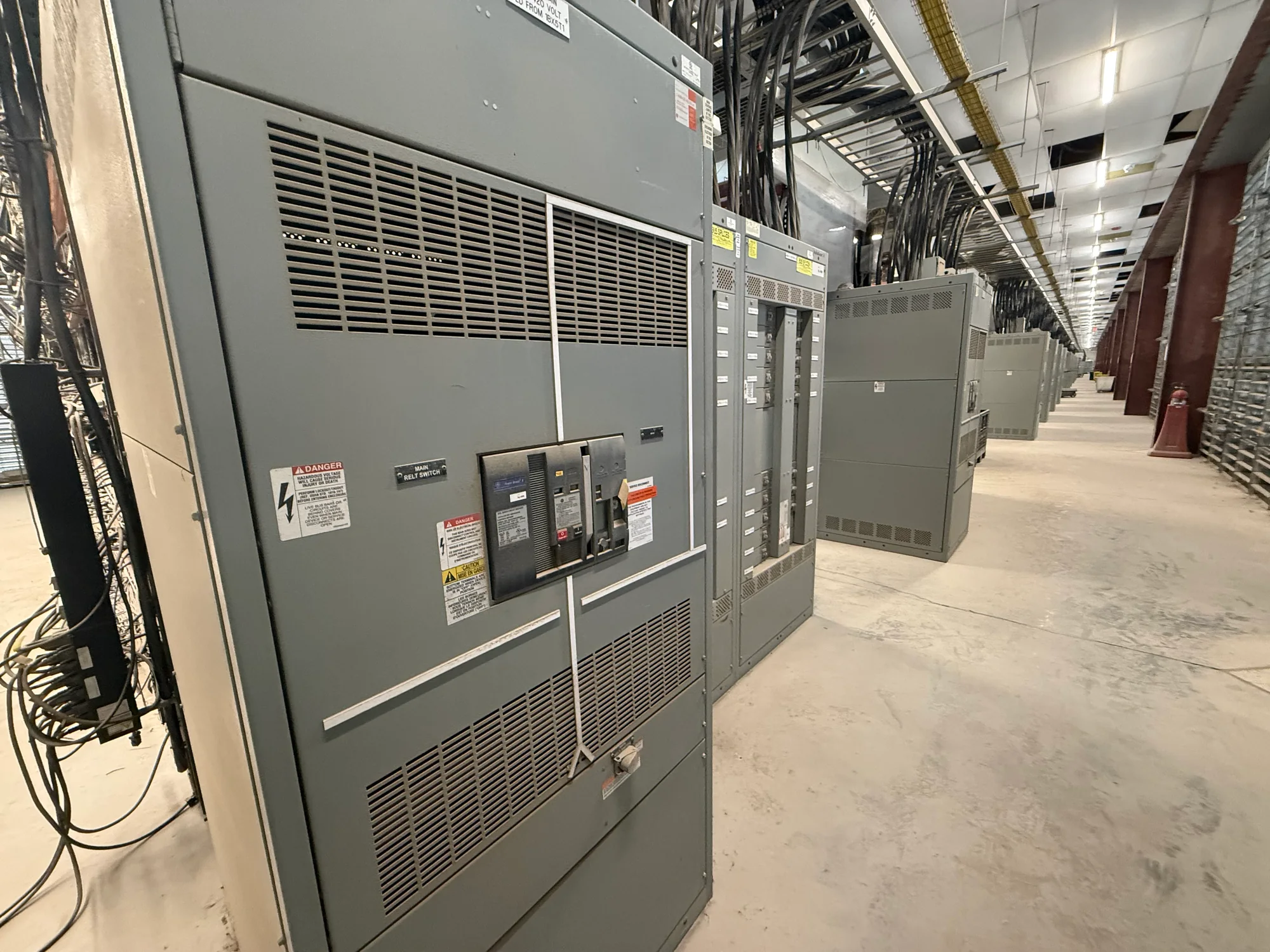
Define the Project Before Selecting Equipment
A sound switchgear project begins with the electrical and operational requirements, not a product label alone. Share the one-line diagram, system voltage, available fault-current information, service arrangement, load details and intended equipment function. Identify whether the scope concerns a low-voltage switchboard, medium-voltage gear or another assembly, since terminology and applicable standards vary by equipment type. Qualified professionals should establish protection, ratings and code requirements for the specific installation. Also describe the facility, operating conditions, expansion plans and any continuity needs that affect the design. These details help clarify what must be supplied, what remains part of the existing system and which interfaces require engineering review. If drawings are preliminary, note their status and identify open decisions rather than presenting assumptions as final. A focused requirements review can reveal missing information early, support a realistic scope and reduce the risk of late changes to equipment configuration or project coordination.
Coordinate Sourcing and Scope Clearly
Switchgear Builder California manufactures and builds new equipment in the USA with American components. For a project discussion, distinguish the equipment to be supplied from field labor, installation, commissioning and other work that may sit with the owner, contractor or another project partner. Confirm the intended equipment type, quantities, major functional requirements and delivery destination, then identify any specified components or design preferences that need review. Requirements should be evaluated for technical fit and project context rather than assumed available in a standard configuration. For low-voltage switchboards, determine whether UL 891 applies to the project and identify the associated specification requirements; this does not establish a listing or approval. For medium- or high-voltage equipment, identify the standards applicable to that specific equipment and verify them for the project. A clear scope also records exclusions, customer-furnished information and responsibility for approvals, so proposals and engineering discussions address the same expectations.
| System | Voltage, phase, current and available fault current |
|---|---|
| Configuration | Lineup, protection, controls and enclosure as specified |
| Compliance | Applicable standards and listing confirmed for the assembly |
| Delivery | California and nationwide; schedule confirmed by quote |
Build a Schedule Around Real Dependencies
Equipment timing depends on more than a desired delivery date. Discuss when approved drawings are expected, who reviews them, how quickly decisions can be returned, and whether site access or outage windows constrain the work. Identify dependencies such as upstream equipment, utility coordination, permits, construction readiness and receiving arrangements. A schedule conversation should separate target dates from confirmed commitments and show which decisions could affect progress. If the project is schedule-sensitive, explain the need and ask whether an expedited path may be considered after scope and engineering review. Any such option depends on project requirements and cannot be assumed before that review. Allow time for drawing development, review cycles, revisions, production planning, freight and site readiness. Contractors can improve coordination by naming a primary technical contact and a commercial contact, maintaining a current document log and promptly communicating changes. This approach makes constraints visible and helps the team assess practical next steps without relying on unsupported timing assumptions.
Plan Replacement Work Around Existing Conditions
Replacing switchgear requires attention to the existing installation as well as the new equipment. Provide available nameplate data, photographs, dimensions, cable and bus connections, entrance locations, room clearances and the relevant one-line diagram. Record known limitations, including access routes, floor loading concerns, ventilation, environmental conditions and space for lifting or staging. Verify field measurements and confirm whether existing conductors, terminations, protection schemes or adjacent equipment will be reused, changed or handled under a separate scope. For a planned outage, identify the operating window, temporary-power needs and sequence constraints early; qualified professionals must determine safe isolation and work practices. Equipment replacement may require design changes when legacy layouts, current loads or present-day project requirements differ. If modernization of the customer's own equipment is part of the discussion, describe the affected equipment and desired outcome separately from the new-equipment scope. Clear boundaries help engineering and construction teams identify interfaces before removal or installation begins.
Coordinate Delivery, Documents and Next Steps
Delivery planning should start with the destination and the realities of receiving the equipment. Share the site address, access restrictions, delivery hours, unloading capability, storage conditions and any required coordination with a general contractor or facility operator. Confirm who will receive the shipment and how packaging, handling and inspection concerns should be escalated. Nationwide shipping and service to California customers may be discussed, with arrangements assessed for the particular project rather than presumed. Keep drawings, specifications, approved deviations, correspondence and schedule updates in a shared project record so the right people work from current information. Before requesting a project review, gather the latest electrical documents, equipment scope, target milestones, site constraints and open questions. Identify the decision-makers and explain which items need confirmation first. The next step can then be a focused discussion of technical requirements, sourcing scope, schedule dependencies and delivery logistics, giving the team a clearer basis for evaluating the project.