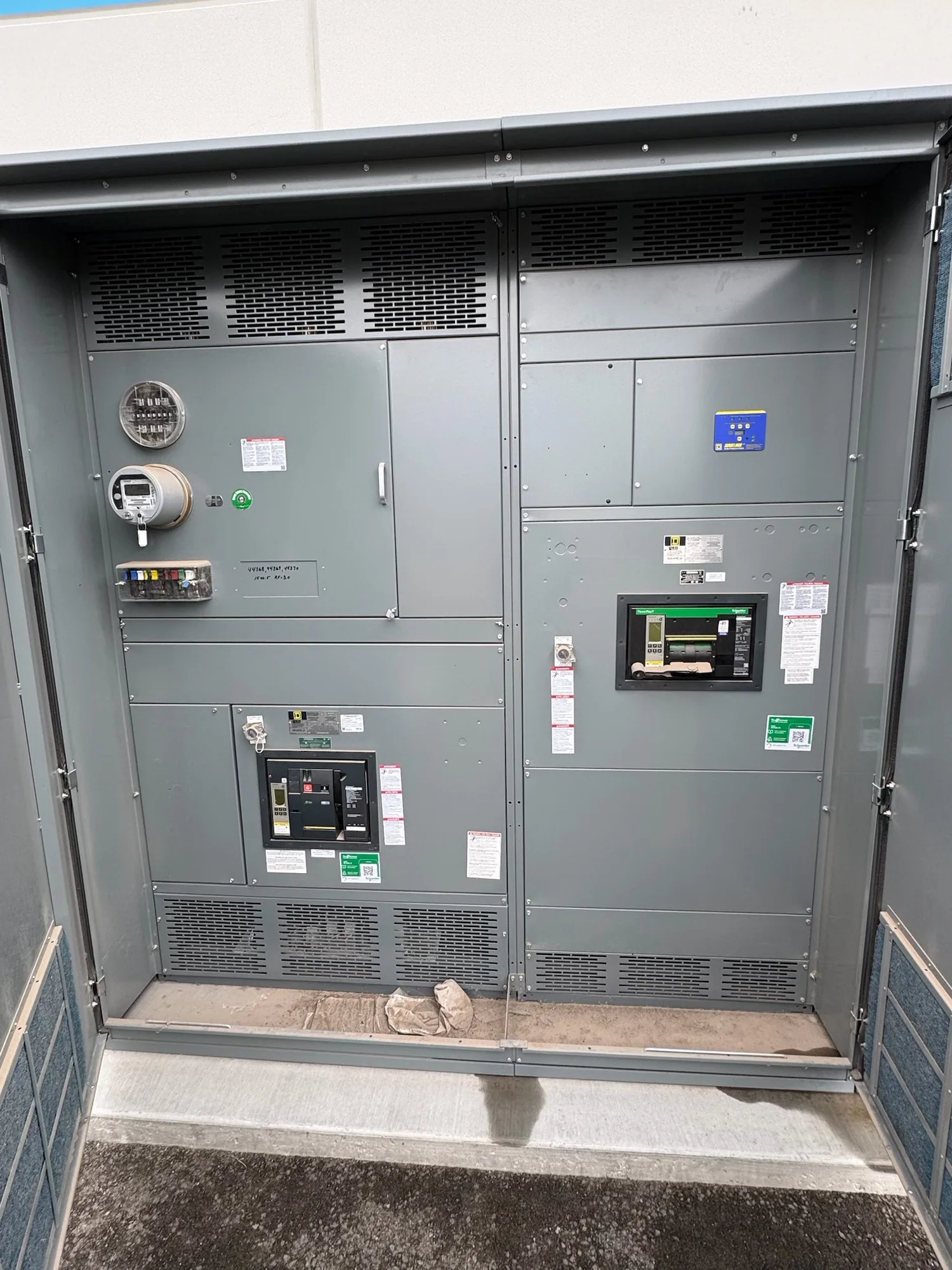
Start with the milestones that control the schedule
Switchgear lead time is not a single production interval. It is a chain of interdependent activities, and the overall schedule depends on when each activity can begin and finish. Establish the required in-service date first, then work backward through delivery, testing, assembly, procurement, engineering review and the release of complete project information. Include time for owner, engineer and contractor reviews, not just manufacturer activities. A drawing returned late or with unresolved comments can affect purchasing and fabrication if the design is not released. Identify who approves each submittal, who consolidates comments and how quickly decisions are expected. Also record site access dates, installation sequencing and any outage or energization windows that constrain delivery. A milestone schedule makes assumptions visible and gives the project team specific dates to manage. It should be reviewed as the scope and site conditions develop, rather than treated as a fixed promise before key inputs are known.
Make engineering approvals actionable
Engineering review proceeds more efficiently when the initial package is coordinated and complete. Provide the one-line diagram, equipment arrangement, system voltage, available fault-current information, grounding method, control requirements, metering needs and interface details as applicable to the project. Clarify feeder quantities, future provisions, cable entry and termination preferences, room dimensions, access routes and connections to upstream or downstream equipment. The responsible design professionals must determine protection, ratings and applicable codes for the specific installation; the manufacturer needs those decisions and governing documents to develop a coordinated design. Establish a submittal register that distinguishes review, approval and information-only documents, and set a process for resolving conflicting comments. Ask reviewers to identify changes that affect electrical function, physical fit or interfaces, rather than allowing revisions to circulate without disposition. When comments are closed, document the approved design basis and any remaining exceptions. That record helps prevent late changes from reopening engineering after procurement or fabrication has started.
| System | Voltage, phase, current and available fault current |
|---|---|
| Configuration | Lineup, protection, controls and enclosure as specified |
| Compliance | Applicable standards and listing confirmed for the assembly |
| Delivery | California and nationwide; schedule confirmed by quote |
Connect procurement to design release
Procurement planning should begin alongside engineering, but purchase commitments depend on the approved scope and component requirements. Identify items that may influence the schedule, such as breakers, relays, meters, controls and other specified components, then confirm their selections, interfaces and required documentation. Availability and delivery windows can vary by item and project conditions, so request current, project-specific planning information rather than relying on a generic lead-time assumption. Distinguish components that can be ordered against a sufficiently stable design from those that require final approval. Early procurement may reduce exposure to later availability changes, but it can create cost, compatibility or revision risk if ratings, functions or quantities change. Agree on who may authorize commitments and how substitutions will be evaluated. Any proposed alternative should be reviewed by the responsible engineer for performance, coordination, interfaces and compliance with project requirements before acceptance. Track procurement status against the schedule, flagging dependencies and decisions that need action before they affect assembly.
Plan testing, inspection and acceptance
Testing and inspection need defined scope, participants and dates. Determine which factory checks are required by the purchase documents, what records or test reports must be provided, and whether the owner, engineer or independent representatives intend to witness particular activities. Confirm witness availability early and allow time for travel, notice periods, document review and resolution of findings. A factory test plan should align with the approved design and clearly identify the equipment and functions being examined. The exact tests depend on the equipment type and contract requirements; they should not be assumed from a general schedule. For medium- or high-voltage equipment, identify and verify the standards applicable to that specific equipment and project. For applicable low-voltage switchboards, UL 891 may be a relevant standard, but its mention does not establish a third-party listing. Closeout documentation, approved test results and corrective actions can affect release for shipment, so assign owners and deadlines for review and disposition.
Coordinate shipment with site readiness
A factory completion date is not the same as a usable delivery date. Confirm the requested delivery window, receiving hours, unloading equipment, staging space, access route and any limits on truck size or delivery appointments. Check whether the installation area will be dry, secure and ready to receive the equipment, and coordinate delivery with the contractor's rigging and installation plan. Sectional equipment may require a particular sequence or orientation for unloading and placement; confirm these details against the approved arrangement and the actual site route. Packaging, shipping configuration and handling instructions should also be coordinated so equipment can be received and protected appropriately. Keep a schedule allowance for carrier coordination, weather or site constraints, and any inspection required on receipt. If the project is schedule-sensitive, discuss possible expedited or alternate sequencing options early; these require project review and depend on scope, component conditions and approvals. Maintain a current milestone log, communicate changes promptly and confirm shipment readiness before aligning crews or outage plans.