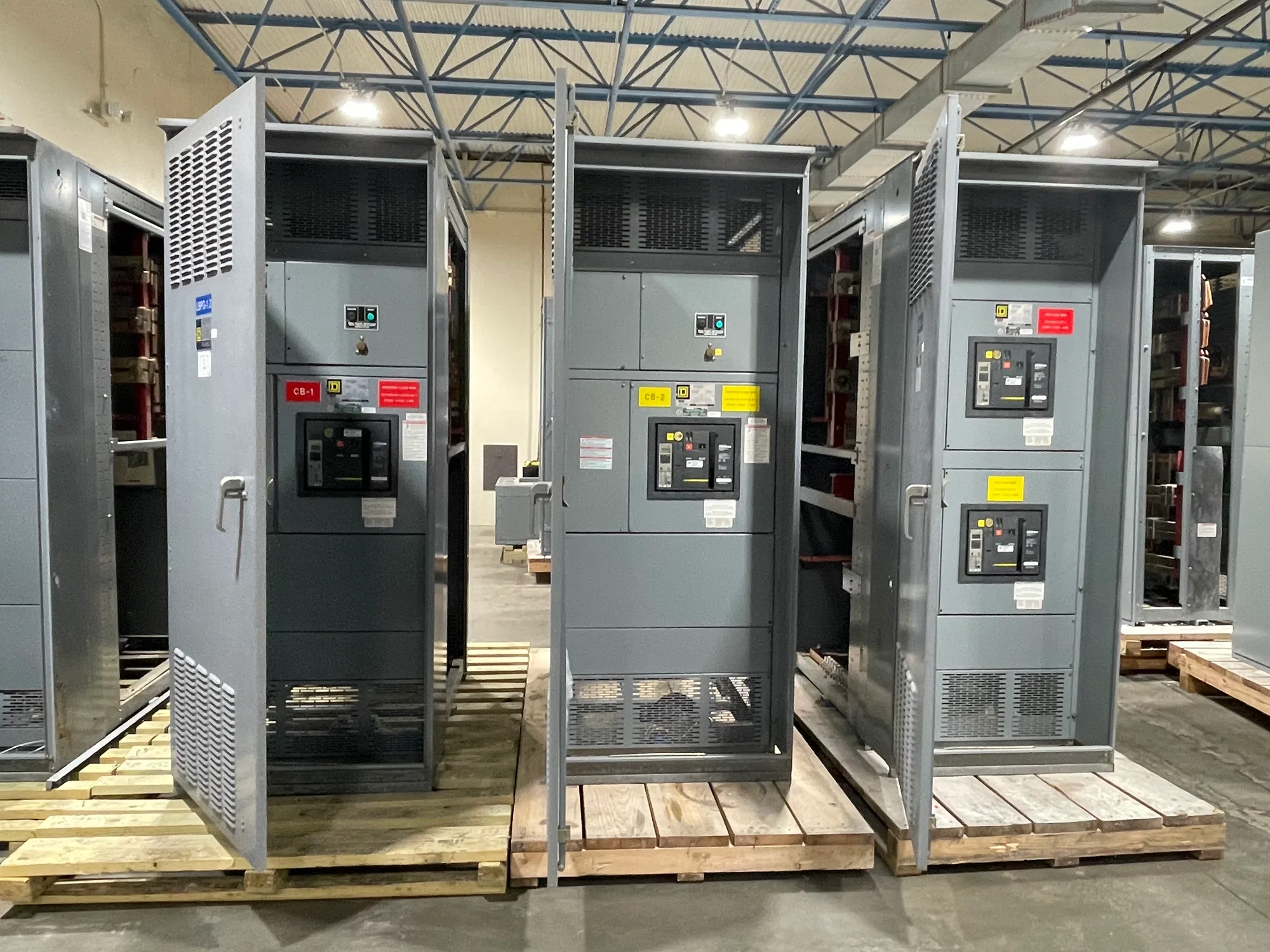
New Equipment for California Projects
Switchgear is central to how a facility receives, protects and distributes electrical power. For a new installation or planned replacement, the right equipment depends on the system—not simply a product name or a familiar one-line diagram. Switchgear Builder California manufactures and supplies new equipment built in the USA with American components for customers in California and nationwide. Project requirements may involve low-voltage switchboards, medium-voltage equipment or other distribution assemblies; the appropriate scope must be established for the application. Voltage, available fault current, continuous load, system configuration and environmental conditions all shape the design discussion. So do installation space, access for maintenance and the consequences of an outage. Our starting point is a practical review of what the equipment must do and how it fits into the larger electrical system. That helps buyers and project teams define a meaningful scope before comparing options or requesting a quote.
Manufacturing Starts with System Requirements
A useful equipment specification translates operating needs into details that can be reviewed and priced. Gather the latest one-line diagram, voltage and frequency, bus and feeder information, load data, protective-device requirements and available fault-current information when available. Include the intended application, future expansion plans, installation environment and any constraints on footprint, cable entry or access. For replacement work, identify the existing equipment and note the conditions that affect removal and installation, without assuming the new assembly will be a direct dimensional match. Requirements for enclosure, metering, controls, communications and coordination should be stated clearly, with open questions marked for engineering review. Applicable standards depend on equipment type and project jurisdiction; UL 891 applies to applicable low-voltage switchboards, while medium- and high-voltage equipment requires identification and verification of standards relevant to that equipment. Qualified professionals determine protection, ratings and applicable codes for each project. Clear inputs make design review more productive and reduce avoidable ambiguity.
| System | Voltage, phase, current and available fault current |
|---|---|
| Configuration | Lineup, protection, controls and enclosure as specified |
| Compliance | Applicable standards and listing confirmed for the assembly |
| Delivery | California and nationwide; schedule confirmed by quote |
Project Support from Scope to Quote
A quote is most useful when it reflects the actual application rather than a broad equipment label. Share the project location, required equipment scope, delivery destination, target milestones and the people responsible for engineering, purchasing and installation. If drawings or specifications are preliminary, explain what is settled and what remains subject to confirmation. That distinction lets the team identify assumptions, request missing information and flag decisions that could affect cost or schedule. We can review the materials provided, discuss the equipment scope and clarify what information is needed to develop a quote. A project review may also identify interfaces with upstream protection, downstream loads, control systems or site work that belong in the overall plan. Where the schedule is sensitive, raise that early so possible options can be considered against the project details; timing is subject to review and confirmation. The goal is a quote grounded in defined requirements, with important qualifications visible before the project advances.

Coordinate Design, Installation and Operation
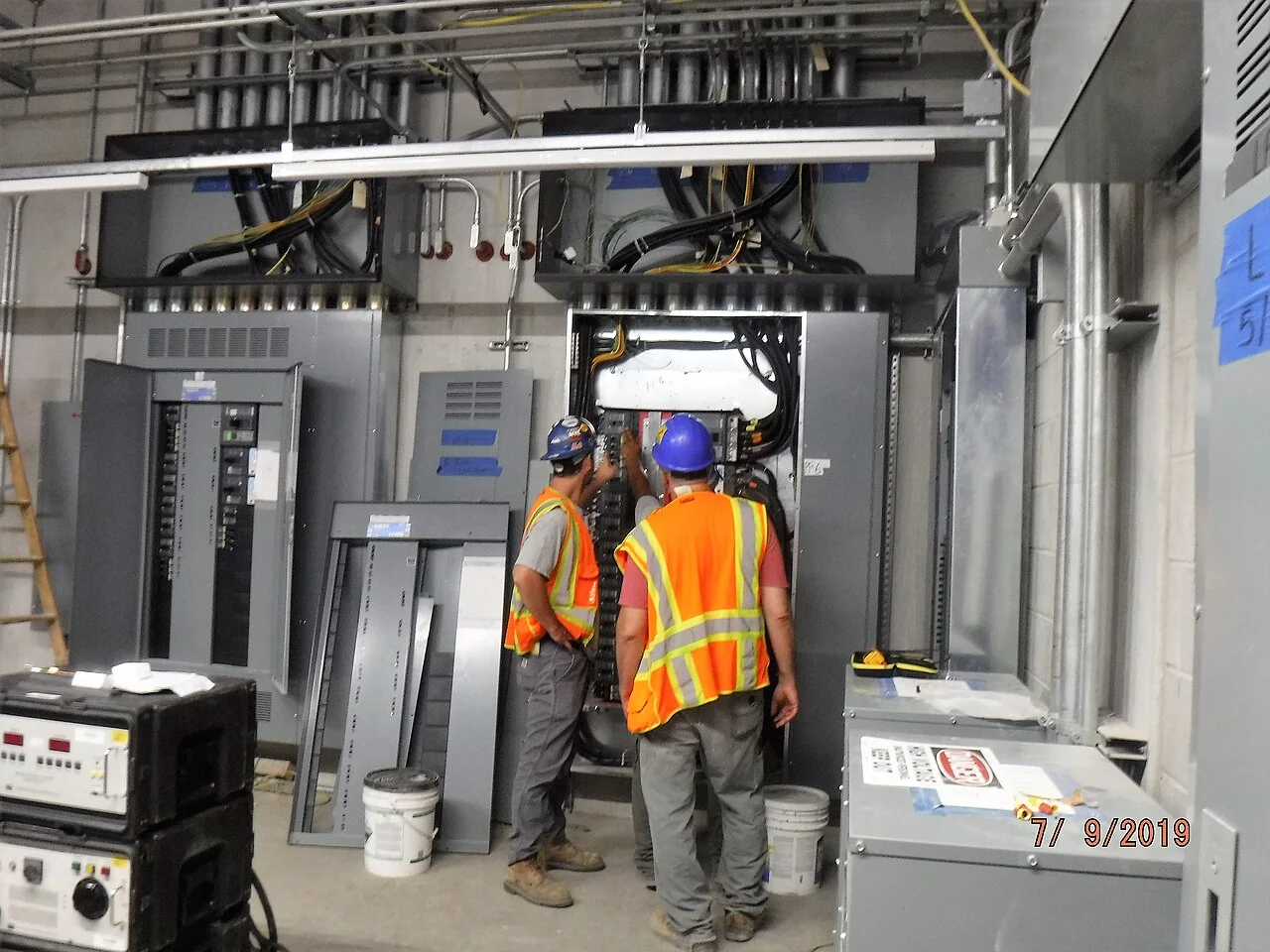
Switchgear decisions affect more than the equipment itself. The electrical engineer, facility owner, contractor and utility-facing project team may each have information that influences the final design. Coordinate system studies and protective-device settings with the people responsible for the complete installation, and resolve discrepancies between drawings, specifications and field conditions before they become procurement assumptions. Confirm clearances, access, conduit and cable routes, handling limitations and installation sequence with the site team. If an existing lineup is being replaced, plan outage windows and temporary operating arrangements through qualified project personnel; equipment supply alone does not determine a safe switching or commissioning procedure. The project team should also establish who will review submittals, approve deviations and provide final settings or control details. Good coordination makes interfaces explicit and helps the supplied equipment serve its intended role. It also gives buyers a clearer basis for comparing proposals: scope, assumptions, exclusions and required customer inputs can be evaluated alongside the equipment description.
Request a Quote for New Switchgear
To begin, send the available one-line diagram, equipment schedule or specification, together with the project location and a concise description of the application. Include known voltage, load, fault-current and protection requirements, plus relevant enclosure, metering, control and communication needs. Identify the desired delivery window as a planning target, not an assumed commitment, and note any site or submittal deadlines that could affect the review. If documentation is incomplete, a short explanation of the open engineering questions is still useful. The next step is to review the scope, confirm what can be evaluated from the information provided and request clarifications where needed. Once the requirements and assumptions are understood, a quote can address the defined new-equipment scope for your project. California customers can discuss delivery planning, and projects elsewhere in the United States can also be reviewed; shipping arrangements and timing depend on the specific order. Start with the information you have, and make unresolved details visible so they can be addressed deliberately.