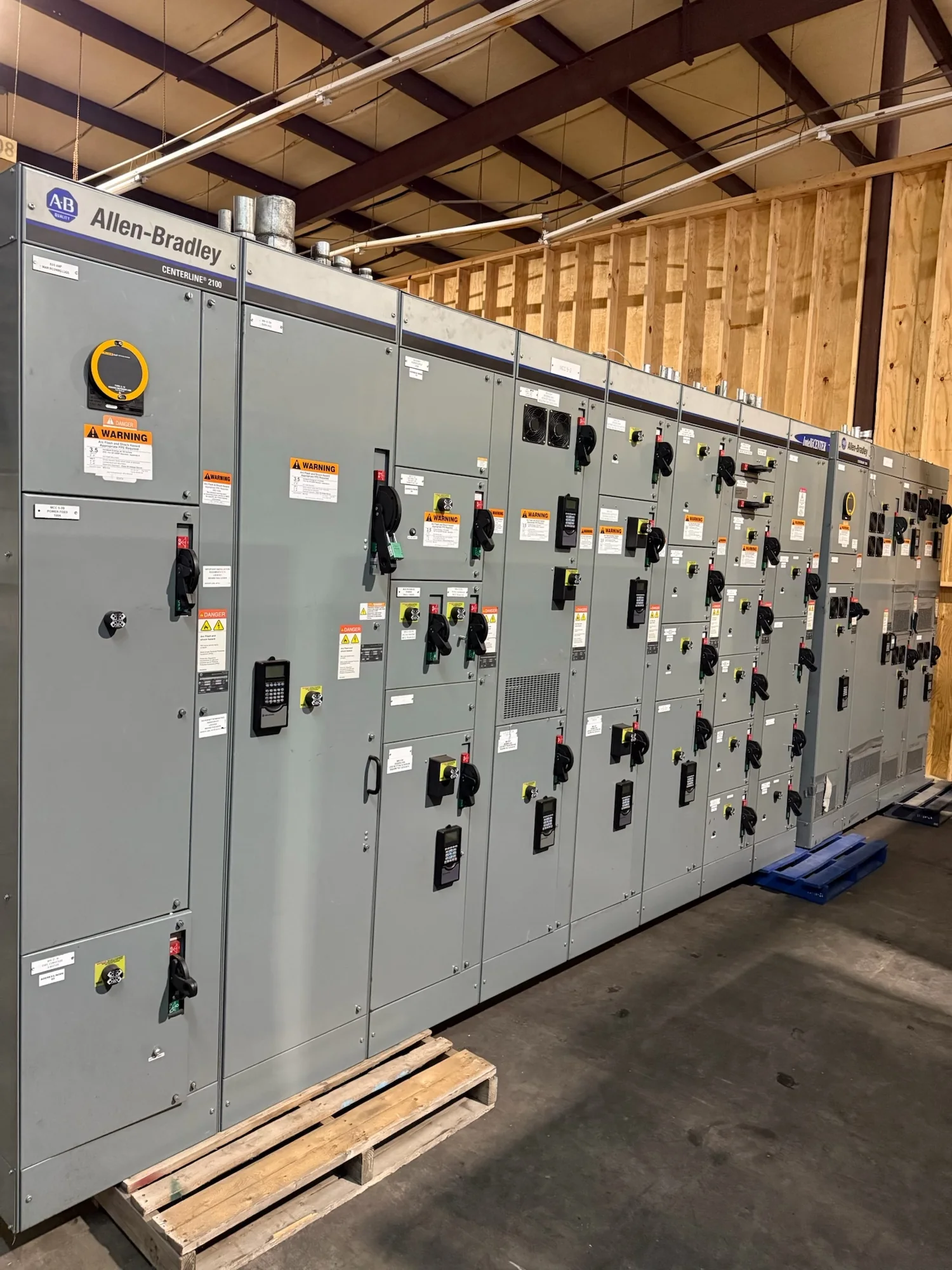
Find Schedule-Sensitive Components Early
Long-lead risk often begins with a component that appears late in the design process: a breaker with a particular trip unit, a control device tied to a specified interface, or an accessory required for the intended operating sequence. Early identification helps the project team distinguish these items from standard materials and understand where a procurement decision could affect the broader switchgear schedule. Start with the one-line diagram, equipment specifications, protection requirements, control narratives, and any owner standards that constrain selection. Record the required function and interfaces, not just a preferred part number, so the team can investigate options without losing sight of design intent. Switchgear Builder California can review project information with the customer to identify components that warrant early attention. This is a planning discussion, not a promise of availability or delivery timing; current supplier information and project-specific requirements must be confirmed before decisions are made.
Separate Essential Requirements from Preferences
An alternative is useful only if it preserves the requirements that matter. For a breaker, those may include system voltage, continuous current, interrupting duty, protective functions, trip characteristics, mounting arrangement, and compatibility with the intended assembly. For controls, confirm the required input and output signals, communications protocol, operating sequence, enclosure or mounting constraints, and interfaces with adjacent equipment. Some details are mandatory for safety, code compliance, coordination, or owner acceptance; others may be preferences that can be reconsidered with approval. Put those distinctions in writing before a substitute is proposed. Qualified professionals must determine protection, ratings, applicable codes, and coordination for the project. Any change affecting a protective device or control sequence deserves a technical review, not an assumption that a similar catalog description is equivalent. Clear acceptance criteria make comparison faster and give the engineer of record and owner a sound basis for disposition.
| System | Voltage, phase, current and available fault current |
|---|---|
| Configuration | Lineup, protection, controls and enclosure as specified |
| Compliance | Applicable standards and listing confirmed for the assembly |
| Delivery | California and nationwide; schedule confirmed by quote |
Evaluate Alternatives Without Losing Design Intent
When the specified component presents a schedule concern, compare alternatives against the complete application rather than availability alone. Review electrical ratings, protection performance, physical fit, wiring and terminal requirements, control logic, communications, maintenance practices, and compatibility with the equipment design. Identify documentation needed for review, such as manufacturer data, revised drawings, settings information, or interface details. The project team should also consider downstream effects: a different trip unit may require a new coordination study, while a changed control device may affect testing procedures or integration with supervisory systems. Route proposed substitutions through the customer's established approval process and record who has authority to accept them. Do not treat a supplier suggestion as approval, or assume an alternative is interchangeable because its headline ratings appear similar. Where no acceptable alternative exists, communicate that constraint promptly so the team can assess schedule exposure and decide whether to retain the specified component.
Set Decision Dates That Support Procurement
A component decision date should be tied to the project schedule and the point at which design, approval, and procurement actions need to occur—not selected as an arbitrary deadline. Work backward from the planned equipment milestones, allowing time for technical review, owner or engineer approval, drawing updates, and any required coordination changes. The date may differ by component: a breaker selection could affect the assembly design, while a control choice may depend on final interface information. Make each date visible in the project decision log, name the responsible reviewer, and state what information is still outstanding. If an approval is delayed, promptly document the consequence as a schedule risk rather than implying a delivery guarantee. Procurement timing can change with supplier conditions and project details. Schedule-sensitive or expedited options may be explored where appropriate, subject to project review and confirmation; no schedule should be treated as firm until the relevant details are confirmed.
Keep Changes Traceable Through Delivery
Long-lead management continues after an alternative is accepted. Maintain a controlled record of the original specification, proposed component, technical comparison, approving parties, and final disposition. Update drawings, bills of material, control documents, and coordination inputs as applicable, then communicate the approved configuration to the people responsible for procurement, assembly, testing, installation, and commissioning. Confirm that the purchased component matches the accepted revision and that required accessories and interface details are included. Changes made after approval should return through the same review path; informal substitutions can create mismatched documentation or unrecognized performance differences. For a useful project handoff, share the latest one-line, equipment specifications, breaker and control schedules, required dates, approval contacts, and known constraints with the manufacturer. This disciplined record helps the team manage uncertainty, make defensible tradeoffs, and resolve questions efficiently while keeping technical authority with the qualified professionals responsible for the installation.