What selective coordination means
Selective coordination is a protection approach intended to confine an overcurrent outage to the affected circuit or equipment. The protective device electrically closest to the affected portion is intended to operate without opening devices farther upstream. Under the National Electrical Code definition, full selective coordination is not established by checking a single fault: it encompasses the available overcurrents from overload through the maximum available fault current, together with the protective-device opening times associated with those currents. This includes overloads as well as short circuits and ground faults. Electrical position and protection responsibility, rather than physical distance in a room, determine which device is relevant. A branch-circuit overload illustrates the intended outcome: the branch device opens while upstream protection remains closed, so unaffected circuits can continue to receive power. That example describes one condition, not proof of coordination across the entire required range. The actual conclusion depends on the system, devices and operating conditions evaluated.
Why the distinction matters
Containing an overcurrent interruption can reduce the extent of an outage and preserve service to unaffected loads. This objective can be important where a shared distribution system supports emergency functions, building operations or processes sensitive to lost power. Coordination concerns how protective devices interact, not a guarantee that power will remain available through every event. Source failure, equipment damage, conditions outside the study assumptions and other causes can still interrupt service. It also does not prevent an overload or fault from occurring. Selective coordination is distinct from adequate interrupting capability and equipment short-circuit ratings: a protective scheme must address each applicable requirement, not treat one as evidence of the others. A series-rated device combination likewise addresses interruption under specified conditions and does not by itself demonstrate selective coordination. Qualified professionals consider these protection and continuity issues together within the project's actual distribution design.
| System | Voltage, phase, current and available fault current |
|---|---|
| Configuration | Lineup, protection, controls and enclosure as specified |
| Compliance | Applicable standards and listing confirmed for the assembly |
| Delivery | California and nationwide; schedule confirmed by quote |
Full coordination and limited selectivity
A device pair may be selective only over a documented range of currents or operating times. This is often described as partial or limited selectivity. For example, evidence that the downstream device operates alone up to a stated current does not establish what happens above that limit, or at opening times outside the evaluated range. Full selective coordination calls for coverage of the available overcurrent range and associated device opening times for the relevant system and protective devices. A limited result does not automatically satisfy a code or project requirement for full selective coordination; it is insufficient if required conditions remain outside the demonstrated coverage. A narrower coordination objective may be appropriate only when the governing requirements actually permit it and the project accepts it. Clear study documentation distinguishes the conditions covered from those not demonstrated, so a current-limited result is not mistaken for a system-wide finding.
When code and project requirements apply
The required level of coordination depends on the system's classification and the rules governing that particular installation. The NEC has selective-coordination provisions for certain critical systems, including emergency and legally required standby systems and some installations serving multiple elevators. The applicable scope, device relationships and any exceptions must be determined from the edition adopted by the jurisdiction, local amendments and the specific provision that applies. Not every circuit in every building is subject to the same selective-coordination requirement, and a provision for one type of system should not be assumed to apply unchanged to another. Project specifications or owner criteria may also call for protection performance beyond a minimum code provision. Where full selective coordination is required, a practical preference for limited selectivity is not a substitute. Qualified professionals evaluate the project requirements, and the authority having jurisdiction determines code compliance.
How a switchgear review supports the design
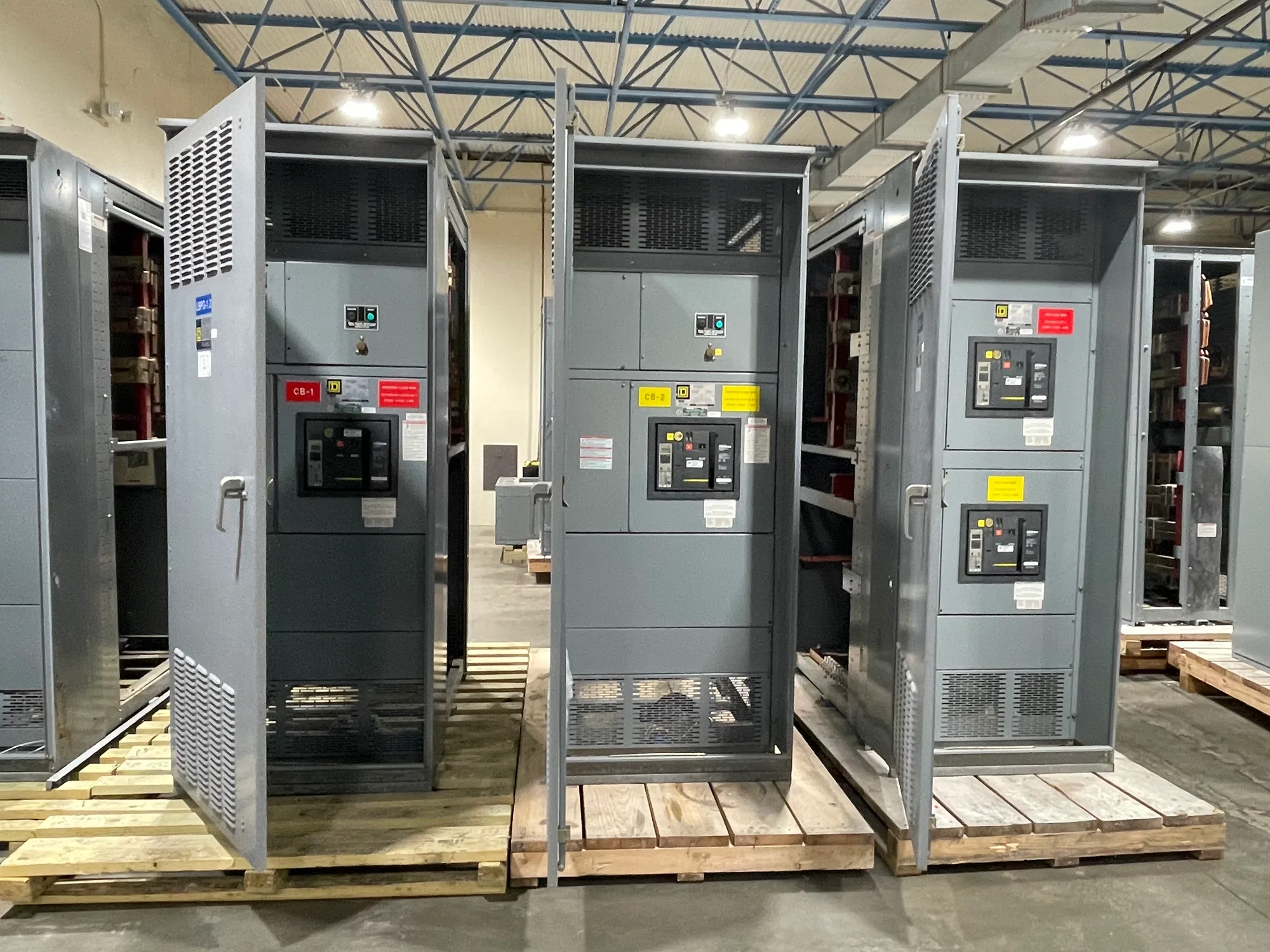
Switchgear protective devices form part of a larger distribution system, so a coordination conclusion depends on their relationship with upstream and downstream protection. A study may consider one-line diagrams, source characteristics, available fault currents, device types, ratings and settings, as well as normal and alternate operating configurations. Time-current characteristics help describe device response, while manufacturer coordination data may be needed to assess a particular device combination. The relevance of that evidence depends on its stated device models, conditions and limits; a result for one arrangement cannot simply be transferred to another. Designers also consider equipment withstand, fault interruption, continuity and other protection objectives together, since these concerns are not interchangeable. Documented assumptions and the scope of the study help the equipment team understand what has been evaluated. Qualified professionals assess the requirements and any design changes against the applicable code and project criteria.