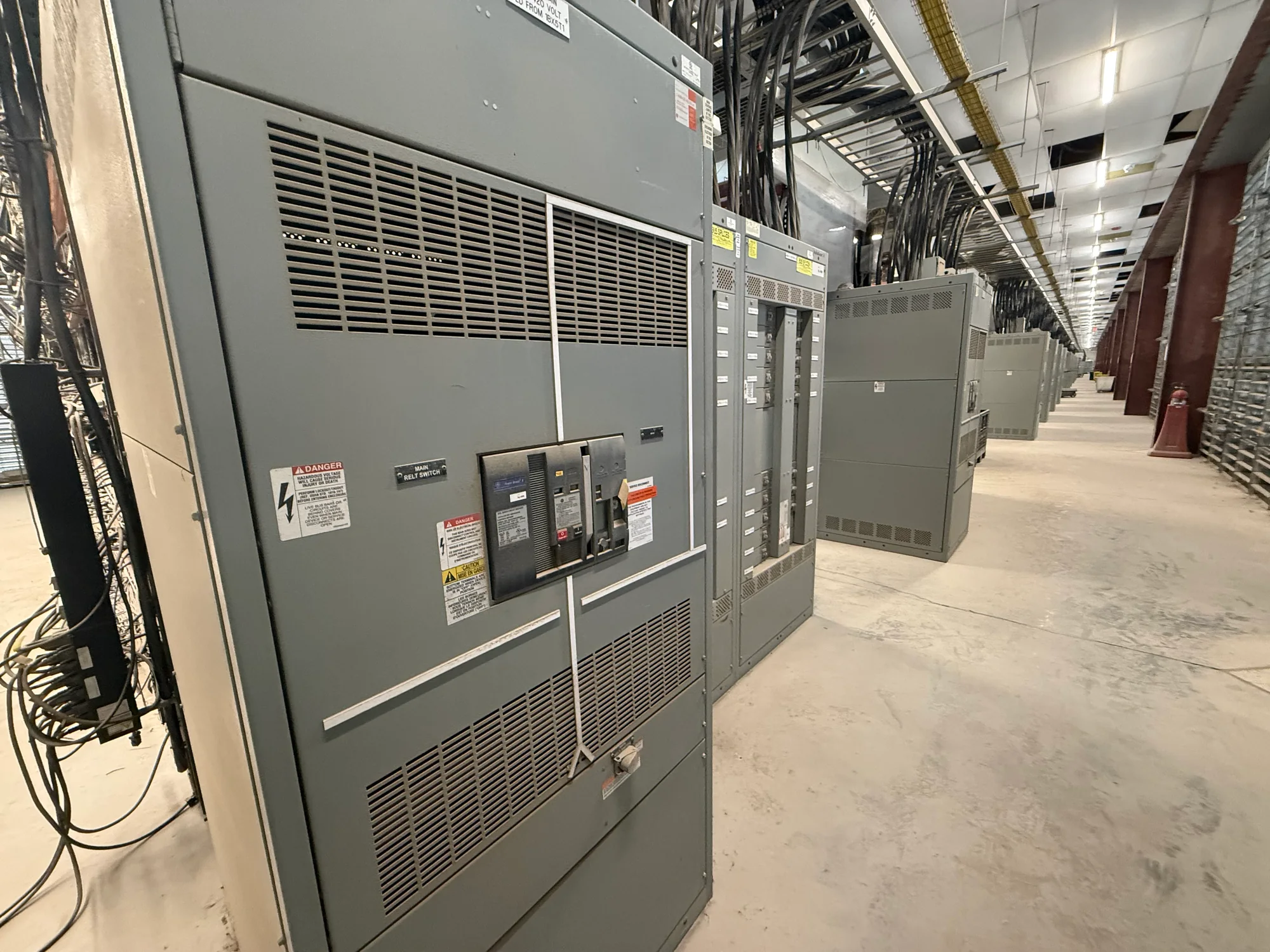
The Electrical Contractor Leads Field Installation
Switchgear installation is generally performed by a qualified electrical contractor engaged for the project, not by the equipment supplier as part of an assumed delivery scope. The contractor plans and executes work at the site, including receiving and handling equipment, setting and anchoring sections, making electrical connections, and coordinating work with other trades. The precise division of labor depends on the contract, project design, equipment instructions, site conditions, and applicable requirements. Before delivery, the project team should confirm who is responsible for unloading, storage, rigging, placement, interconnection, grounding, and final terminations. The contractor also coordinates permits, inspections, lockout procedures, and safe access with the owner and site team. Engage qualified professionals to determine installation methods, protection requirements, ratings, and applicable codes for the specific project. Written scope clarity helps prevent gaps, such as assuming another party will supply cable, complete control wiring, or prepare the installation area.
Commissioning Verifies Readiness Before Service
Commissioning is a planned process for checking that installed equipment and connected systems are ready for their intended operation. Depending on project scope, commissioning may be led by an independent commissioning provider, the electrical contractor, the owner’s engineering team, or a combination of parties. Activities can include reviewing approved drawings and settings, inspecting workmanship, verifying control and interlock functions, and arranging electrical tests appropriate to the design and equipment. The team should define test procedures, acceptance criteria, documentation, and responsibility for resolving deficiencies before work begins. Commissioning does not replace correct installation, required inspections, or the owner’s operational readiness review. Nor should it be treated as a substitute for equipment-specific instructions or applicable standards. Identify who witnesses tests, records results, approves settings, and authorizes progression to energization. When several parties participate, a shared commissioning plan and clear communication channels help keep test boundaries controlled and make unresolved issues visible rather than carrying them into operation.
| System | Voltage, phase, current and available fault current |
|---|---|
| Configuration | Lineup, protection, controls and enclosure as specified |
| Compliance | Applicable standards and listing confirmed for the assembly |
| Delivery | California and nationwide; schedule confirmed by quote |
Energization Requires Explicit Authority and Coordination
Energization is the controlled introduction of electrical power to equipment and connected circuits. It should occur only after qualified personnel have confirmed that required installation, inspections, testing, protective-device settings, operating procedures, and safety controls are in place. The party authorized to direct the switching operation must be identified in the project’s procedures; this may be the owner or operator, with qualified electrical personnel carrying out defined tasks. Responsibilities vary by facility and contract, so no supplier should be assumed to have authority to energize a customer’s installation. Before the planned switching window, agree on the sequence, communication protocol, affected loads, access restrictions, emergency response, and stop-work criteria. Confirm that approved drawings and settings match the installed configuration, and that personnel understand boundaries and hazards. Only qualified professionals should make decisions about protection, ratings, safe work practices, and applicable codes. A schedule milestone alone is not evidence that equipment is ready for service.
The Supplier Supports the Equipment Scope
The switchgear supplier’s role centers on the equipment supplied and the information defined in the purchase and project scope. Depending on agreed deliverables, that support may include equipment documentation, drawings, operating information, and coordination with the project team on design questions or identified discrepancies. The supplier is not automatically responsible for site rigging, field connections, commissioning, code compliance, switching, or facility operation. Those duties must be assigned through the project’s contracts and procedures. Share complete, current information with the supplier when requesting technical coordination: approved one-lines, system voltage and configuration, required ratings, protection and control interfaces, enclosure or environmental requirements, and the intended application. The responsible design professionals determine project requirements and confirm applicable standards for the particular equipment. If field conditions differ from approved information, pause affected work and route the discrepancy to the responsible engineer and supplier for review before proceeding. Clear boundaries let the supplier provide useful equipment-specific support without blurring field or operational accountability.
Set the Responsibility Matrix Before Delivery
A practical next step is to create a responsibility matrix before equipment ships or site work starts. Name the parties accountable for receiving, inspection, storage, installation, terminations, testing, commissioning records, corrective work, switching, and final operating acceptance. Identify required submittals, approved drawings, settings, test reports, permits, inspection sign-offs, and the person authorized to release each hold point. Discuss schedule constraints early, including site readiness, utility or upstream coordination, outage windows, and the availability of qualified personnel; any schedule-sensitive support or expedited options must be reviewed against the project details and cannot be assumed. Confirm that contact names and escalation paths are current, and hold a pre-installation or pre-energization meeting when multiple organizations share the work. For new equipment, request supplier documentation through the agreed project channel and direct site-specific questions to the contractor, engineer, commissioning lead, or owner responsible for that decision. A written plan makes handoffs visible and supports a safer, more predictable transition to operation.