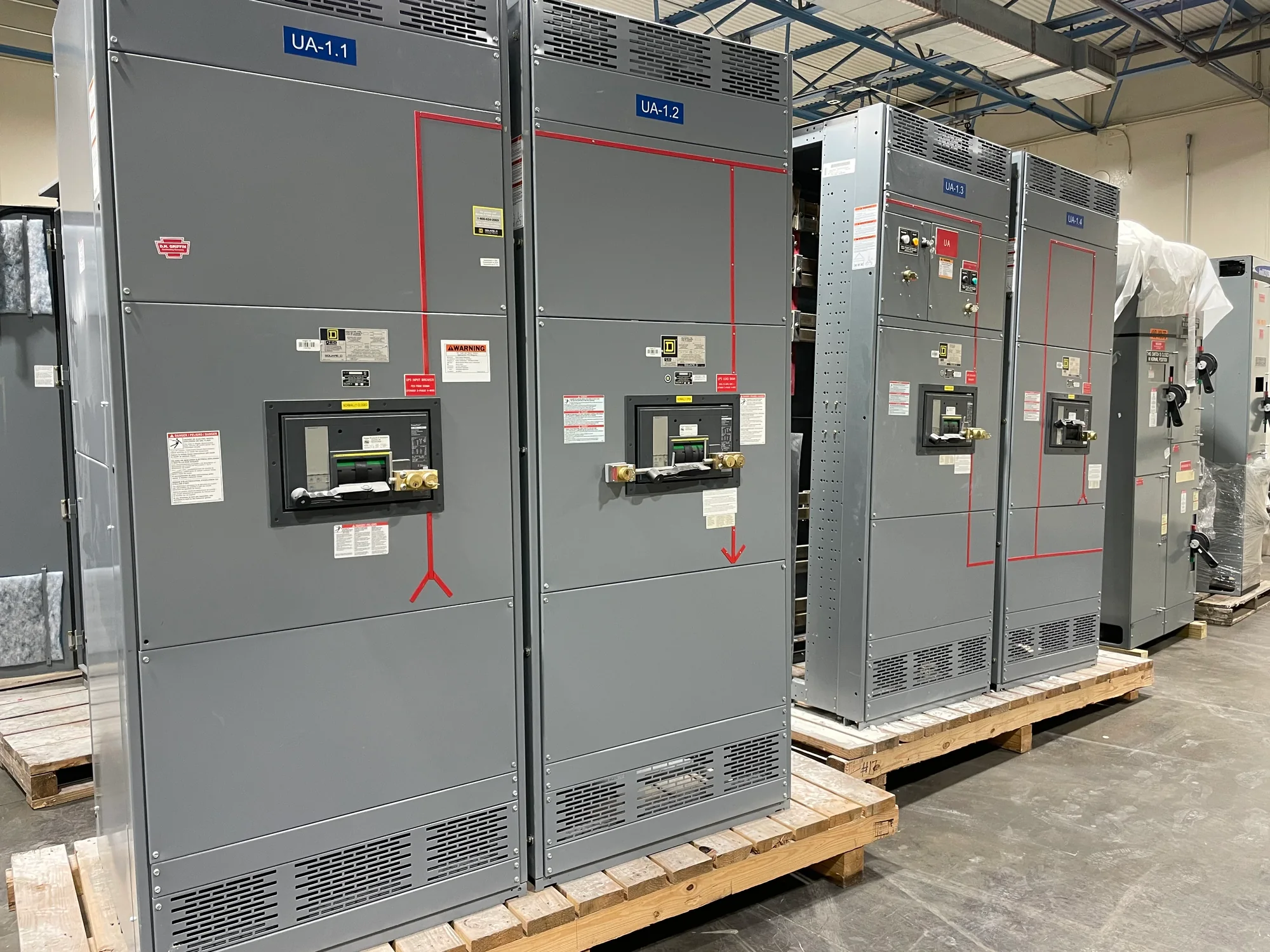
Approval Is Shared Across Several Parties
There is not one universal approver for service-entrance equipment. The electrical designer establishes the project’s electrical requirements and prepares documents; the authority having jurisdiction (AHJ) reviews work for compliance with adopted codes and local requirements; and the serving utility evaluates the connection to its distribution system and any utility-controlled equipment or rules. These reviews address related but different questions, so approval from one party should not be treated as approval from the others. The owner, contractor, equipment manufacturer and other project professionals also contribute information and coordinate decisions, but their responsibilities do not replace those of the designer, AHJ or utility. The exact process depends on the project, location, service arrangement and governing requirements. Early in planning, identify the responsible contacts, required submittals and review sequence. This helps avoid designing around assumptions that a later reviewer or the utility may not accept.
The Electrical Designer Defines the Design Basis
The electrical designer translates the project’s load, service and operating needs into equipment requirements and design documents. Inputs may include service voltage, phase, frequency, available fault current, load calculations, grounding method, metering arrangement, protective-device coordination and the intended service point. The designer also identifies applicable codes and standards for the specific equipment and project, then coordinates those requirements with the owner, contractor, utility and equipment builder. These are design inputs to confirm—not values to assume based on a product description. The designer should resolve discrepancies between utility criteria, project documents and site conditions, and document any decisions that affect equipment configuration. Qualified professionals must determine protection, ratings and applicable codes for each project. A complete, internally consistent design package gives reviewers a clear basis for evaluation and gives the builder information needed to assess whether the proposed equipment can be designed to the stated requirements.
| System | Voltage, phase, current and available fault current |
|---|---|
| Configuration | Lineup, protection, controls and enclosure as specified |
| Compliance | Applicable standards and listing confirmed for the assembly |
| Delivery | California and nationwide; schedule confirmed by quote |
The AHJ Reviews Code and Local Requirements
The AHJ is the government or other authorized entity responsible for administering and enforcing applicable requirements in the project jurisdiction. Depending on the project, this may involve plan review, inspection, permits or acceptance of installation details. The reviewer may examine one-line diagrams, equipment submittals, fault-current information, grounding and bonding, working clearances, labeling, protective-device settings and other details relevant to the adopted codes. Local amendments and established review procedures can affect what must be submitted and when. The AHJ’s determination concerns the requirements within its authority; it does not necessarily settle utility interconnection conditions or every design question. Ask the AHJ early which documents and review stages apply, especially when the service arrangement or equipment location is unusual. If comments arise, have the designer address them in revised documents and coordinate resulting design changes with the utility, contractor and equipment builder before fabrication or installation proceeds.
The Utility Sets Conditions for Its Service Connection
The serving utility determines the conditions under which a project connects to its system, consistent with its applicable rules and the specific service arrangement. Its review may cover the point of delivery, service characteristics, metering, service conductors, access, clearances, fault-current data, utility-owned components and connection procedures. Which items apply varies by utility and project; request the current requirements directly from the utility rather than relying on assumptions or details from another site. Utility acceptance of a service design is distinct from an AHJ permit or code review. A utility may also need to confirm information that influences equipment design, such as available fault current or the required metering configuration. Record the utility’s requirements and share updates with the designer and builder promptly. If requirements change, assess their effects on ratings, layout, interfaces, cost and schedule before releasing equipment for manufacture.
Coordinate Reviews Before Releasing Equipment
A practical approval path begins by establishing the project location, serving utility, AHJ, service arrangement and design responsibility. The contractor or owner can help identify contacts, while the electrical designer should lead technical coordination and keep the design record current. Before requesting an equipment proposal or placing an order, assemble the available one-line diagram, load and fault-current data, service and metering requirements, site constraints, applicable standards, and review comments. Ask which items remain open and who will confirm them. Submit drawings and equipment data through the channels required by the project, allow time for review, and track comments to closure. If schedule-sensitive or expedited options are important, raise that need early; feasibility depends on project review and finalized requirements, and timing should not be assumed. California projects and projects elsewhere may have different local and utility processes. For new switchgear built in the USA with American components, provide the project requirements to the manufacturer so the proposed design can be evaluated against the coordinated criteria before fabrication.