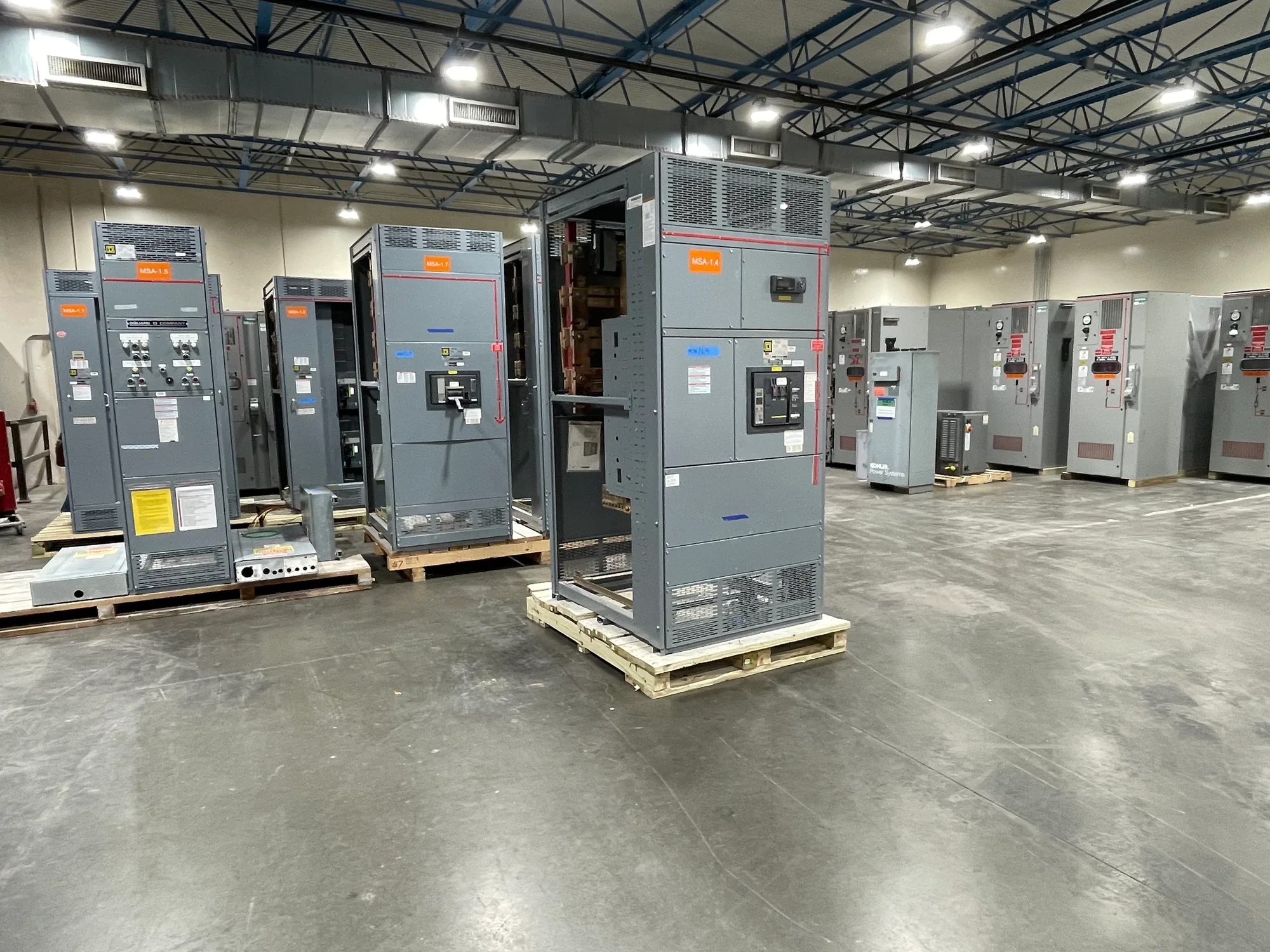
Outdoor Installation Depends on the Equipment and Site
Switchgear can be installed outdoors when the equipment is designed and specified for the actual exposure and the installation is prepared accordingly. The word “outdoor” alone does not establish that an assembly can tolerate every combination of rain, dust, heat, cold, sunlight or corrosive contaminants. Start by identifying the equipment type, operating environment and project requirements, then confirm that the proposed enclosure and assembly are suitable for those conditions. A location beneath a canopy, a coastal site and an open industrial yard present different challenges, even if all are described as outdoors. Also distinguish the equipment’s environmental protection from its electrical ratings: an enclosure selection does not establish interrupting capacity, voltage suitability or protection coordination. Qualified professionals should determine applicable codes, electrical ratings and protective measures for the project. For new equipment, provide the manufacturer with clear site and application details early so the design can be evaluated before layout and installation decisions become difficult to change.
Match Enclosure Protection to Exposure
An enclosure must protect the equipment against the specific conditions expected at the installation, while still allowing safe operation and servicing. Relevant inputs include wind-driven rain, water spray, dust, airborne fibers, salt, chemical vapors, ultraviolet exposure and temperature extremes. Environmental enclosure classifications and other project specifications should be reviewed for the exact use; a rating selected for one type of exposure should not be treated as proof of protection against every hazard. Consider condensation as well as direct water entry. Daily temperature swings, humid air and poor drainage can create moisture inside or around equipment even when rainfall is limited. The design team should also review ventilation, heaters or other environmental controls where relevant, along with any effect on maintenance and power use. For medium- or high-voltage equipment, identify and verify the standards and environmental requirements applicable to that specific equipment. The appropriate selection is a project decision based on documented exposure, not a generic claim that an assembly is weatherproof.
| System | Voltage, phase, current and available fault current |
|---|---|
| Configuration | Lineup, protection, controls and enclosure as specified |
| Compliance | Applicable standards and listing confirmed for the assembly |
| Delivery | California and nationwide; schedule confirmed by quote |
Prepare the Foundation, Drainage and Clearances
Site preparation is part of outdoor equipment performance, not an afterthought. The foundation should support the specified assembly and account for installation method, anchorage, seismic design inputs where applicable and the surrounding civil conditions. Coordinate dimensions, conduit or cable entry locations, trenching and below-grade routes before the pad or structure is finalized. Keep drainage moving away from the equipment; standing water, runoff from roofs and irrigation spray can increase corrosion and moisture risks. Review finished grade and nearby surfaces so water is not directed toward doors, cable openings or access points. Layout should preserve working space, operating clearances and safe approach routes established by qualified project professionals and applicable codes. Consider barriers, bollards or other impact protection if vehicles or material-handling equipment may approach the installation. Check that the location allows delivery and placement of the assembly without obstructing adjacent systems. Early coordination among electrical, civil and structural teams helps resolve these details before construction creates costly conflicts.
Plan for Heat, Sunlight and Changing Weather
Outdoor ambient conditions can affect equipment operation, service life and maintenance needs. Direct sunlight can heat enclosure surfaces, while high ambient temperatures may reduce available thermal margin; cold conditions can affect mechanisms, displays or other components. Wind exposure, snow or ice accumulation, dust storms and freeze-thaw cycles may also matter depending on the site. Provide expected temperature ranges, solar exposure and unusual weather conditions when requesting equipment review. The project team can assess whether the proposed location, enclosure arrangement and any specified environmental provisions are appropriate. Avoid assuming that shade alone resolves temperature concerns or that a general outdoor designation covers extreme climates. Nearby exhausts, process heat, cooling equipment and reflective surfaces can change local conditions. Where site data is uncertain, document assumptions and identify what must be confirmed during engineering. Consider inspection after severe weather and a maintenance approach that keeps doors, seals and drainage features in serviceable condition. Environmental planning should complement, rather than substitute for, proper electrical protection and coordination.
Share Site Details Before Finalizing the Specification
A useful inquiry describes both the electrical application and the physical installation. Share system voltage, configuration, fault-current and protection information as established by the project engineer, along with equipment type, indoor or outdoor location and requested environmental requirements. Include site elevation, temperature range, humidity, precipitation, corrosive or dusty exposure, sun and wind conditions, and any risk of flooding or impact. Drawings should show the proposed foundation, cable entry directions, nearby structures, access routes and required working clearances. Identify project standards and the authority having jurisdiction so the responsible professionals can determine applicable requirements. For outdoor installations, also clarify who will provide foundations, conduits, grounding, weather protection and field connections. These details allow the manufacturer and project team to evaluate fit, identify open questions and coordinate equipment interfaces; they do not replace site engineering or code review. Before release, confirm the final enclosure and equipment requirements against the actual location, installation drawings and maintenance plan.