Start with the One-Line and Scope
A current electrical one-line diagram is often the most useful starting point for a switchgear quote. It shows the intended system arrangement, source and load connections, bus relationships, protective devices, and major electrical ratings. Include revision dates and mark whether the drawing is issued for design, construction, or budgeting; that distinction helps keep preliminary assumptions from being mistaken for final requirements. If the one-line is incomplete, send the available version and identify what remains undecided. Describe the equipment scope in plain terms as well: new lineup, replacement assembly, or a defined portion of a larger project. Note interfaces with transformers, generators, transfer equipment, downstream distribution, or existing gear. If a project has multiple lineups, identify each by service, building, or tag. A quote built on clear boundaries is easier to review and compare, and reduces the risk that a connection, accessory, or responsibility is misunderstood.
Identify Ratings and Design Requirements
Provide the electrical ratings established by the project design team, including system voltage, phase, frequency, main and feeder ampere ratings, and available fault current or required short-circuit withstand information. Note the grounding arrangement and any specified bus material, bus bracing, or neutral requirements. Protection details matter too: list breaker or fuse types where specified, trip-unit functions, metering, relaying, and control-power needs. These are design inputs for review, not assumptions that a particular configuration is available without engineering confirmation. Share the applicable code and project standards, along with any owner or utility requirements. For medium- or high-voltage equipment, identify the standards and testing expectations that apply to the specific equipment and have them verified during engineering review. For low-voltage switchboards, state whether UL 891 is an applicable project requirement; the equipment and application must be evaluated accordingly. Qualified professionals determine ratings, protection coordination, and code requirements for each project. Flag any unresolved fault-current study or coordination study so the quote can distinguish confirmed criteria from pending information.
| System | Voltage, phase, current and available fault current |
|---|---|
| Configuration | Lineup, protection, controls and enclosure as specified |
| Compliance | Applicable standards and listing confirmed for the assembly |
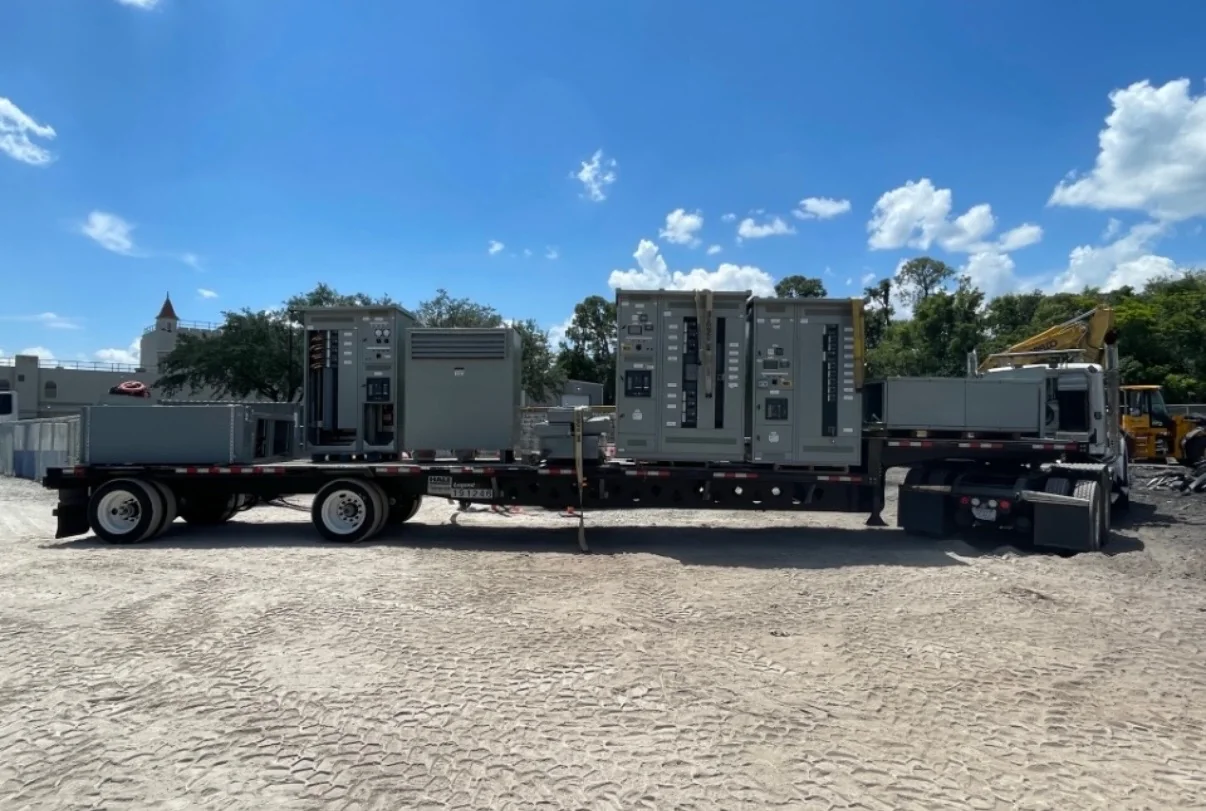
| Delivery | California and nationwide; schedule confirmed by quote |
Include Site Conditions and Physical Constraints
Location helps establish the environmental and installation context. Provide the project city and state, whether the equipment is indoors or outdoors, and any known ambient temperature, altitude, humidity, dust, corrosive exposure, or seismic criteria. Describe access conditions such as a restricted electrical room, limited door openings, stairs, elevator limits, or a required handling route. These details can affect enclosure considerations, shipping sections, and installation planning, but should be confirmed against the project documents and site conditions. Send available room plans, elevations, and equipment layout drawings with dimensions. Include maximum allowable lineup length, depth, and height, working clearances, wall or floor constraints, and locations of cable trenches, conduits, or bus duct connections. Identify cable entry direction and approximate conductor quantities or sizes if known. Distinguish verified dimensions from estimates, and note whether the room is existing or still being designed. A dimensional conflict discovered early is generally easier to resolve than one found after construction documents or site work have advanced.
Set Schedule and Documentation Expectations
Give the requested quote date, anticipated purchase decision, required delivery window, and the date equipment is needed at the project site. Explain schedule drivers, such as a planned outage, construction phase, utility coordination, or a fixed commissioning milestone. If timing is especially sensitive, say so and ask what options may be reviewed; any expedited approach depends on project scope, engineering status, component requirements, and schedule confirmation. A requested date is useful planning information, not a guaranteed commitment. List documentation needed with the quotation and during the project. Common examples include a bill of material or scope summary, outline drawings, dimensional drawings, wiring diagrams, product data, operation and maintenance information, and test documentation. Identify required submittal formats, review cycles, language, and approval gates. If documents must follow an owner template or project specification, include it. Also state whether drawings are needed for preliminary coordination or formal approval, since their purpose and expected level of detail can differ.
Send a Complete Package—and Flag Open Items
A practical quote package can include the one-line, specifications, equipment schedules, load or feeder schedules, room plans, and any relevant coordination or fault-current studies. Add the project name and site location, equipment tags, quantity, requested scope, and a contact who can answer technical questions. Where documents conflict, identify the controlling revision or point out the discrepancy rather than choosing one silently. Use a transmittal or short note to summarize assumptions, exclusions, alternates, and decisions still pending. You do not need to delay an initial request until every design detail is final. Send the best available information and separate confirmed requirements from placeholders. The manufacturer can review the package, identify gaps that affect scope or engineering, and request clarification before preparing or refining a quote. As design progresses, provide revised drawings and a concise change summary so the quotation can be checked against the current basis. This exchange supports a more meaningful comparison of scope, interfaces, and documentation, while leaving final technical decisions with the project’s qualified professionals.