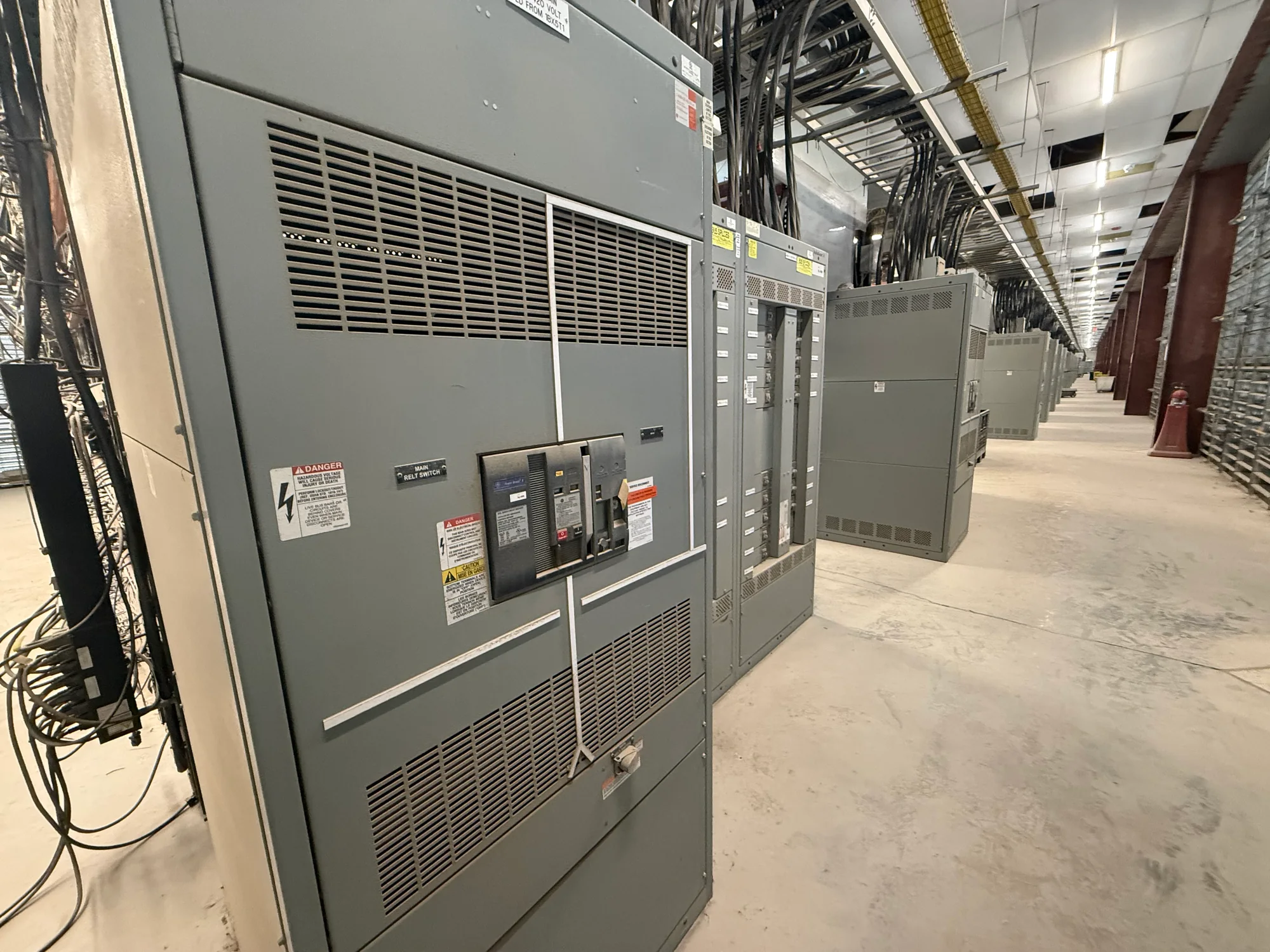
There Is No Single Manufacturing Timeline
The time required to manufacture new switchgear depends on the project’s scope, design complexity, required components and the sequence of decisions that must be completed before work can proceed. A straightforward assembly with settled requirements may follow a different path from equipment involving multiple sections, specialized interfaces or coordination across several systems. The requested voltage class, ratings, protective devices, enclosure and installation conditions all inform engineering and procurement, but none alone establishes a reliable delivery date. Manufacturing schedules can also change as drawings are reviewed, requirements are clarified or component availability shifts. For that reason, an early estimate should be treated as a planning input rather than a guarantee. When requesting a schedule, describe the intended application and identify the date the equipment is needed on site, along with any fixed project milestones. A manufacturer can then review the actual scope, identify dependencies and discuss a schedule appropriate to the specific order.
Complete Engineering Inputs Help Start the Clock
Engineering cannot advance efficiently when essential system information is missing or changing. Useful inputs include the one-line diagram, system voltage and frequency, available fault-current information, load requirements, protection and metering needs, connection details, environmental conditions and applicable project standards. Identify the equipment’s physical location and installation constraints, such as available space, access for handling, cable entry and interface requirements with upstream or downstream equipment. For replacement or expansion work, provide relevant existing drawings and explain which dimensions or connections must be preserved. Qualified professionals should determine protection, ratings and applicable codes for each project; a manufacturer needs those requirements to evaluate the design. If details are still under development, flag them clearly rather than allowing assumptions to become hidden constraints. A focused kickoff can separate confirmed inputs from open questions, assign responsibility for answers and show which unresolved decisions could affect engineering release, component selection or the planned sequence.
| System | Voltage, phase, current and available fault current |
|---|---|
| Configuration | Lineup, protection, controls and enclosure as specified |
| Compliance | Applicable standards and listing confirmed for the assembly |
| Delivery | California and nationwide; schedule confirmed by quote |
Drawing Review and Approval Are Schedule Milestones
After the design is developed, customer review and approval can be a significant part of the overall schedule. Drawings give project stakeholders an opportunity to confirm arrangement, dimensions, device functions, labeling, connection points and coordination with the installation. The review process works best when one authorized team consolidates comments from engineering, construction, operations and other involved parties. Conflicting feedback or late changes may require revised drawings, renewed technical review and adjustments to procurement or manufacturing plans. Agree early on who will approve documents, how comments will be returned and whether review deadlines align with the project’s decision-making process. Confirm what approval means for the next step, including whether long-lead items may be released before every detail is final; that decision depends on the project and should be documented. A prompt, complete approval does not eliminate every schedule risk, but it reduces avoidable pauses and helps establish a controlled design basis for production.
Component Availability and Procurement Affect the Path
A switchgear assembly depends on many coordinated parts, and their availability can influence when manufacturing can begin and how work is sequenced. Breakers, protective relays, meters, control devices and other specified components may have different sourcing conditions. The selected manufacturer, model, ratings and project requirements matter; a requested item should not be assumed interchangeable with an alternative. If a component is delayed, a substitution may be possible only after technical review and approval by the responsible project parties. Changing a device can affect protection coordination, interfaces, drawings and acceptance requirements, so it should not be treated as a simple purchasing adjustment. Share approved manufacturers or restrictions, required accessories and any preference for proposed alternates as early as possible. Ask which items are schedule-sensitive and when decisions are needed to protect the planned sequence. Procurement conditions can change, making current confirmation more useful than relying on an earlier estimate or a general industry timeline.
Testing, Capacity and Practical Schedule Planning
Manufacturing completion is not the only date to plan around. Inspection and testing activities, documentation, shipping coordination and site readiness may all need time after assembly. The required checks depend on the equipment and contract scope; confirm what testing is included, what records will be supplied and whether customer witnessing or other coordination is expected. Standards also depend on equipment type and application: UL 891 concerns applicable low-voltage switchboards, while medium- or high-voltage equipment requires identification and verification of the standards relevant to that specific equipment. Applicable requirements should be established during project review, not assumed from a schedule estimate. Current production capacity is another variable, since active commitments and the timing of a complete, approved order can affect available sequencing. Provide target milestones early and ask for a project-specific schedule with key assumptions, approval dates and dependencies. Schedule-sensitive or expedited options may be reviewed for a particular project, but feasibility and timing must be confirmed rather than presumed. Keep communication active as decisions, components or site conditions change.