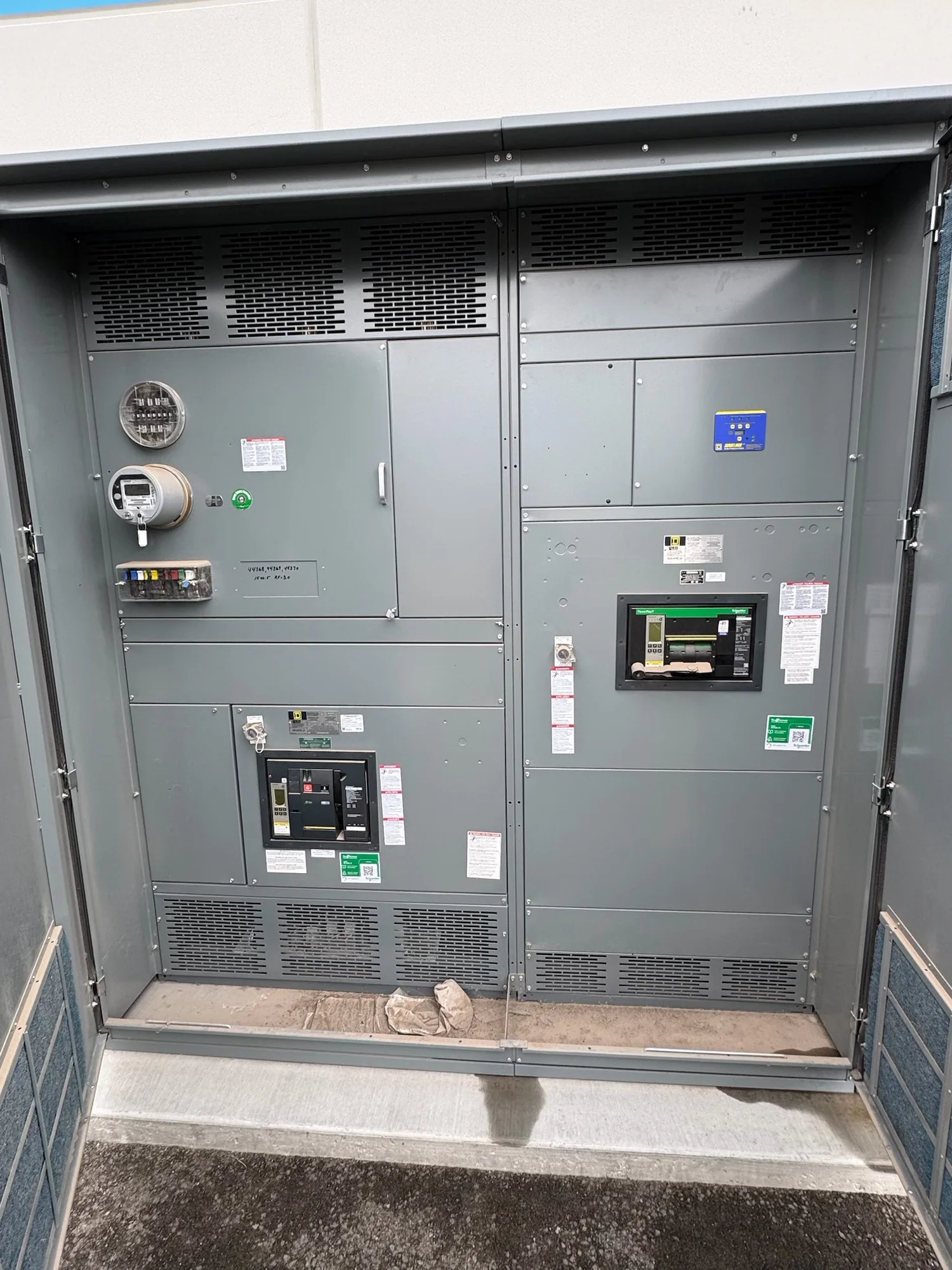
Drawings that connect the design to the installed equipment
Request the drawing set needed to review, install and maintain the specific assembly. Depending on project scope, this may include general arrangement drawings, one-line diagrams, elementary or schematic diagrams, wiring diagrams, terminal plans, interconnection drawings and bills of material. Confirm which documents are for approval, which reflect the final build, and how revisions will be identified. A clear revision history helps field personnel avoid working from superseded information. The package should let the receiving team trace field connections and understand how the equipment is arranged. Ask how external cable and control connections are identified, and whether interface points with other systems are shown. Compare final drawings with the approved project documents and note any accepted deviations or changes. Do not assume a drawing set covers every site condition: installation clearances, anchorage, conduit routing and utility interfaces may require coordination with the project engineer and other trades. Resolve discrepancies before installation rather than relying on assumptions at the equipment.
Test records and verification evidence
Ask for records describing the inspections and tests performed on the supplied equipment, with enough detail to identify the assembly and the scope of each activity. Depending on the project and equipment, records may address wiring checks, mechanical operation, control functions, interlocks, instrument readings or other specified verification. The document should make clear what was checked, the result, and any limitations or exceptions. Confirm that identifying details such as equipment designation, section, serial or order reference correspond to the delivered gear. Agree on documentation expectations before release, especially when an owner, engineer or commissioning provider has specified a format or witness point. A factory test record is not a substitute for site acceptance testing, commissioning, or verification of field-installed wiring and settings. Those activities should be planned by qualified professionals using project requirements and applicable procedures. If a record refers to a test standard, distinguish the test performed from any claim of third-party certification or listing. Keep test records with approved drawings and commissioning documentation so later troubleshooting can distinguish factory checks from site changes.
| System | Voltage, phase, current and available fault current |
|---|---|
| Configuration | Lineup, protection, controls and enclosure as specified |
| Compliance | Applicable standards and listing confirmed for the assembly |
| Delivery | California and nationwide; schedule confirmed by quote |
Operating, installation and maintenance instructions
Handover documents should help qualified personnel understand safe, intended use without replacing training, site procedures or the equipment-specific risk assessment. Request applicable installation, operation and maintenance instructions, including any equipment-specific warnings, inspection guidance and recommended service intervals. Where the assembly includes devices from different manufacturers, determine whether separate device manuals are needed and how they map to the installed components. Instructions should correspond to the delivered configuration, not merely a similar product family. Before energization, the responsible professionals should review the instructions alongside approved drawings, site conditions, protective-device coordination and applicable codes. Confirm who will perform installation, testing and commissioning, and ensure those individuals have the qualifications required for their work. Ask how adjustments or settings are documented, and preserve the final approved settings record where the project requires one. Maintenance guidance can support an asset-management plan, but it does not establish that a particular interval is suitable for every operating environment. Conditions such as contamination, temperature, duty and access affect maintenance planning and should be evaluated by the owner’s qualified team.
Nameplate details and equipment identification
Nameplate information provides a durable reference between the physical assembly, project records and service work. At handover, verify that the equipment designation and identifying marks match the project schedule and final drawings. Review the values and descriptions shown on the nameplate against the approved design inputs, including applicable voltage, current, frequency, short-circuit or interrupting information, enclosure details and other ratings relevant to that equipment. Which particulars apply depends on the equipment type and design; confirm them against the approved submittals rather than relying on a generic checklist. Record or photograph nameplates as part of the site asset file, while ensuring labels remain legible and accessible under the installed conditions. If a discrepancy appears between the nameplate, drawings and procurement documents, pause the affected work and seek resolution from the responsible engineer and equipment supplier. Ratings and protection requirements must be determined for the project by qualified professionals. For medium- or high-voltage equipment, identify and verify the standards applicable to that specific equipment; requirements should not be inferred from low-voltage switchboard practices.
Agree on the handover package before delivery
The most useful document set is defined early, not assembled through last-minute requests. During submittal review, create a project-specific handover register naming each required document, its expected revision or status, delivery format and responsible recipient. Clarify whether the owner needs editable drawings, searchable PDFs, printed copies, test records, device manuals, spare-parts information or other contract-required material. Requirements vary by project, so identify governing specifications and approval responsibilities rather than assuming one standard package suits every installation. Before accepting the handover, check that file names and equipment tags are consistent, documents are readable, and final revisions are distinguishable from preliminary material. Keep the package in the owner’s document-control system and make the relevant information available to operations and maintenance personnel. If the project has schedule-sensitive documentation needs, raise them during planning; delivery sequencing and any expedited options require project review and cannot be assumed. A documented open-item list is preferable to treating incomplete records as final. This practical check helps the team move from delivery toward installation, commissioning and long-term stewardship with fewer avoidable information gaps.