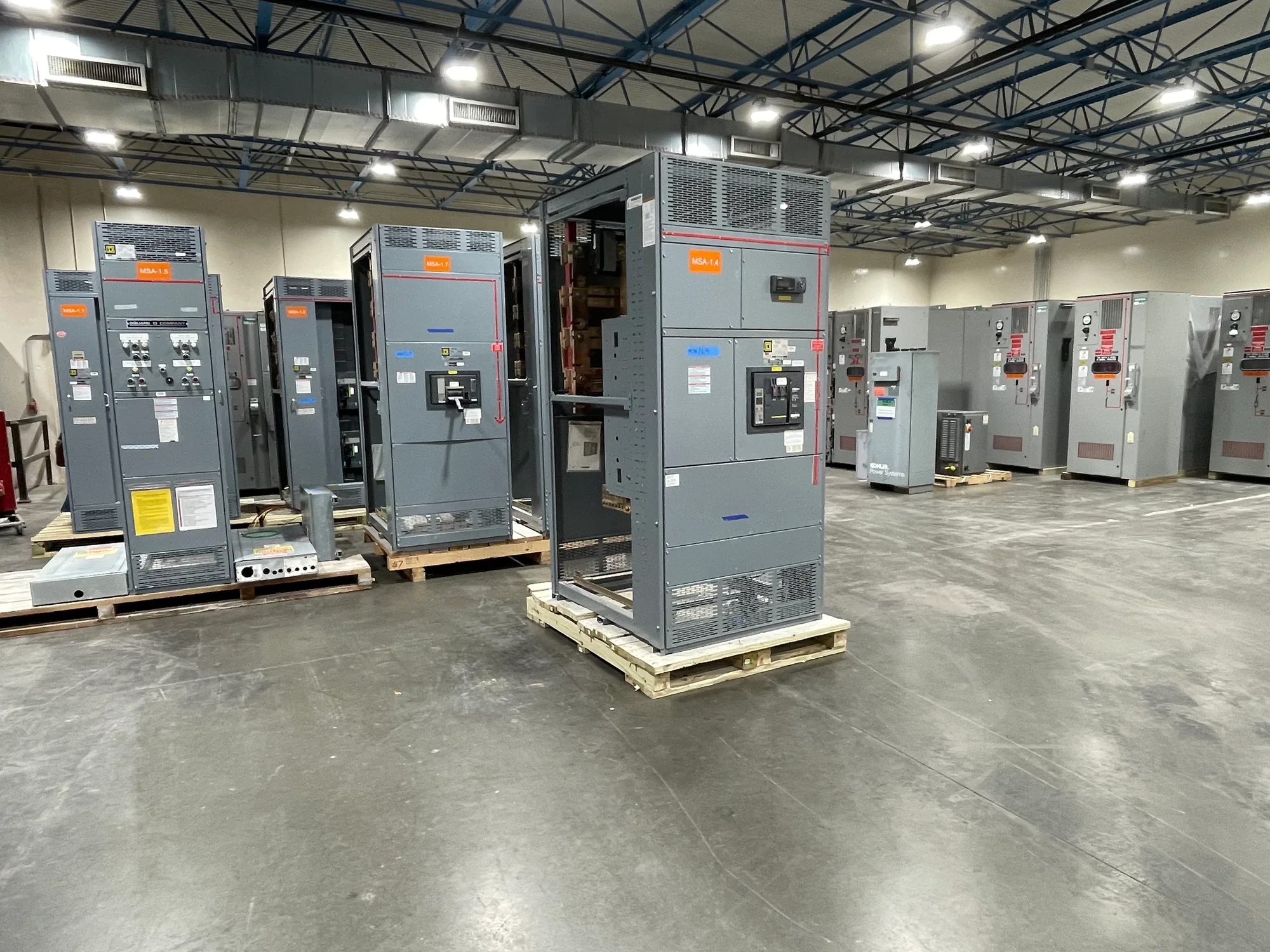
Why elevation changes the application
Altitude matters because air pressure and density decrease as elevation increases. For switchgear that relies on air for cooling or insulation, those changes can affect operating limits even when the equipment is otherwise installed indoors and within its stated ambient-temperature range. The size of the effect depends on the specific design, voltage class, enclosure, components and site conditions; elevation alone does not establish a universal derating value. Begin by identifying the actual installation elevation, including whether the equipment will be in a building, a ventilated room or an exposed enclosure. Also record expected ambient temperatures, daily and seasonal extremes, solar exposure where relevant, dust, humidity and ventilation conditions. These details help distinguish an altitude-related limitation from a separate thermal or environmental concern. Treat the manufacturer’s published application data as the basis for review, and confirm that it addresses the equipment configuration being considered rather than relying on a rule of thumb.
Evaluate cooling and temperature rise
Lower air density can reduce natural convection and the effectiveness of air movement through or around an assembly. Depending on the design, this may influence temperature rise in bus, conductors, joints, breakers, transformers or other installed devices. Forced ventilation is not an automatic solution: fan selection, airflow paths, filters, enclosure openings, dust loading and loss-of-fan conditions all affect whether a cooling arrangement is suitable. Ask the equipment manufacturer for altitude-related temperature-rise limits or correction guidance for the proposed assembly and operating conditions. Provide the expected continuous load, loading profile, ambient temperature, enclosure details and any heat-producing accessories. Consider whether the equipment is expected to operate near its rating for extended periods or experience frequent peaks. A thermal review should account for the complete lineup and its installed components, not just a single device’s nameplate. Qualified project professionals should determine whether revised ratings, ventilation provisions or a different equipment arrangement are needed.
| System | Voltage, phase, current and available fault current |
|---|---|
| Configuration | Lineup, protection, controls and enclosure as specified |
| Compliance | Applicable standards and listing confirmed for the assembly |
| Delivery | California and nationwide; schedule confirmed by quote |
Review insulation and dielectric limits
Reduced air density can also affect the dielectric strength of air, which is relevant to insulation coordination and clearances in some equipment designs. The practical consequence depends on voltage class, insulation system, field geometry, switching conditions and the manufacturer’s design basis. Do not assume that a familiar voltage rating or standard clearance is sufficient for a higher-elevation site without checking the applicable equipment data. Ask the manufacturer to identify any altitude limits, correction factors or design conditions relevant to the specified equipment, and clarify whether the guidance applies to the complete assembly and its components. For medium- or high-voltage equipment, identify and verify the standards applicable to that specific equipment and application; requirements should not be generalized from low-voltage assemblies. Insulation review is distinct from thermal review, so evidence addressing one does not resolve the other. Protection, ratings, clearances and applicable codes must be assessed by qualified professionals for the project.
Give the manufacturer usable project inputs
A useful technical inquiry includes the site elevation in feet or meters, nominal and maximum system voltage, frequency, grounding method, available fault-current information and the intended operating duty. Describe the installation location and enclosure, expected ambient-temperature range, ventilation or HVAC provisions, indoor or outdoor exposure, and any nearby heat sources. Identify the proposed lineup arrangement, bus configuration, protective devices and auxiliary equipment if already known. If the installation is a replacement or expansion, provide interface dimensions and relevant existing-system information, while distinguishing verified site data from assumptions. Ask for the manufacturer’s written altitude guidance for both cooling and insulation, including the conditions and equipment configurations to which it applies. Where project specifications cite ratings or standards, identify them for review rather than treating them as proof of suitability. Clear inputs reduce avoidable redesign and allow the project team to resolve open questions before drawings, procurement documents and installation plans are finalized.
Coordinate ratings, site design and verification
Altitude review belongs in the project design process, alongside load calculations, protection coordination, short-circuit evaluation, grounding, environmental requirements and applicable code review. If manufacturer data indicates a limit, the team may need to reconsider the equipment rating, loading assumptions, cooling approach, insulation design or room conditions. Each adjustment has tradeoffs: additional ventilation can add maintenance and failure points, while a different rating or configuration can affect footprint, interfaces and project cost. Confirm that any proposed mitigation is supported by the equipment manufacturer and coordinated across the complete assembly; avoid combining generic correction factors from unrelated products. Before release for construction, document the site elevation, reviewed manufacturer data, agreed operating limits and any project-specific assumptions. At installation and commissioning, qualified personnel should verify the equipment configuration, environmental provisions and protection settings against approved project documents. If site conditions or the specified equipment change, revisit the altitude assessment rather than carrying forward an earlier conclusion.