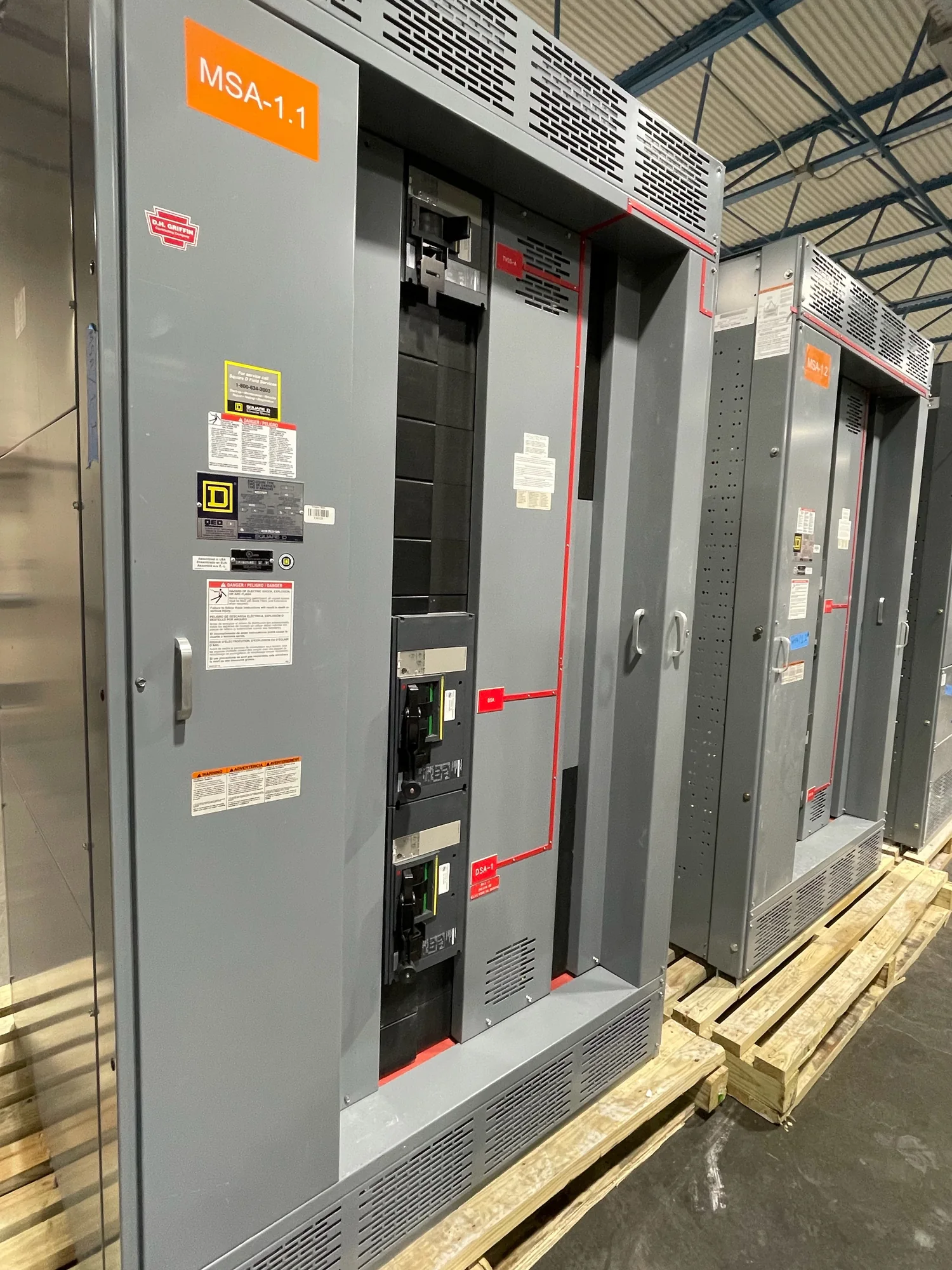
Start with the site’s corrosive exposure
Corrosion protection begins with identifying what the equipment will encounter, not simply labeling a site “corrosive.” Record whether the installation is indoors or outdoors, its proximity to saltwater, and possible exposure to chemical vapors, process residues, dust, washdown, or condensation. Note how often contaminants occur, how they reach the equipment, and whether cleaning agents or maintenance practices add exposure. Temperature swings and humidity matter because moisture can form on internal or external surfaces even when the equipment is not directly wetted. Provide the design team with site photographs, available environmental assessments, process descriptions, and any owner or facility specifications. Distinguish normal conditions from credible upset or cleaning events, and identify whether the equipment sits in a heated, ventilated, or otherwise controlled room. This information supports a proportionate choice of materials, coatings, enclosure construction, and environmental controls. Qualified professionals should evaluate the complete installation and applicable codes; a corrosion-resistant finish cannot compensate for an unsuitable location or uncontrolled moisture.
Choose materials for the actual exposure
Base-metal selection can affect durability, fabrication, maintenance, and cost. Common enclosure and structural materials may include coated or painted steel and corrosion-resistant alloys, but no material is universally best. The right choice depends on the corrosive agent, its concentration and duration, temperature, mechanical demands, and how parts are joined. For example, salt-bearing moisture and an industrial chemical atmosphere can attack materials differently; a material that performs well in one setting may be inappropriate in another. Consider the whole assembly rather than only the visible door: frame, hardware, hinges, fasteners, supports, and interfaces can each be vulnerable. Material compatibility at joints also deserves attention, since dissimilar metals in a conductive, wet environment can promote galvanic corrosion. Discuss cleaning methods and expected service life with the project team, because aggressive cleaning can damage protective layers. Specify the exposure and performance goals, then ask the builder to confirm proposed materials against those conditions rather than relying on a generic “corrosion resistant” description.
| System | Voltage, phase, current and available fault current |
|---|---|
| Configuration | Lineup, protection, controls and enclosure as specified |
| Compliance | Applicable standards and listing confirmed for the assembly |
| Delivery | California and nationwide; schedule confirmed by quote |
Treat coatings as a system, not a label
A coating can protect a suitable substrate, but its performance depends on preparation, application, coverage, and the conditions it must withstand. Ask what surfaces receive treatment, how edges and openings are addressed, and whether the finish is intended for indoor, outdoor, chemical, or washdown exposure. Scratches, cut edges, drilled holes, and damaged areas can expose underlying metal, so installation and future repair procedures matter as much as the initial finish. Coating choices may also affect bonding points, grounding, heat transfer, door fit, and access to nameplates or inspection areas; these interfaces need deliberate detailing. Request the coating description and any applicable project requirements in the submittal, and clarify how touch-up materials are selected and applied. Avoid treating a color or a broad finish term as proof of suitability. Where exposure is severe or unusual, obtain specific guidance from the equipment designer and coating supplier, and align maintenance expectations with the owner’s operating practices.
Match enclosure construction to water and dust risks
The enclosure is a barrier, but its construction must suit the installation and preserve safe access, ventilation, and operation. Review door seams, gaskets, cable-entry locations, conduit interfaces, drain provisions, and mounting details, since water or contaminants often enter at transitions rather than through a broad panel. Outdoor placement may call for attention to rain direction, standing water, sun exposure, and wind-driven debris. Indoor equipment can still face dripping pipes, floor washdown, corrosive vapors, or dust accumulation. Identify required enclosure performance and environmental ratings as design inputs to confirm for the specific assembly and installation; do not assume a rating from appearance or use a generic enclosure specification as a substitute for site review. Sealing can limit contaminant entry, yet more tightly enclosed equipment may retain heat. Coordinate enclosure design with equipment losses, ventilation needs, and the electrical design so the chosen protection does not create a thermal or maintenance problem.
Use environmental controls and maintenance together
Where the room or process can be managed, environmental controls may complement materials and enclosure measures. Depending on the design, options for evaluation can include controlling humidity, maintaining positive room conditions where appropriate, directing washdown away from electrical equipment, improving drainage, or separating gear from chemical sources. Heaters or other measures to reduce condensation may be considered by the design team, with controls and settings coordinated to avoid creating new temperature or operating concerns. Plan inspection and cleaning around the actual contaminants: look for coating damage, corrosion at joints, blocked vents, degraded seals, and signs of condensation. Document who maintains the equipment, which cleaning products are permitted, and how damage is reported and repaired. For a quotation or design review, provide the site location, environmental conditions, equipment type and ratings required, installation details, and relevant owner specifications. A qualified project team can then review material, coating, enclosure, and control choices together, confirm applicable standards for the specific equipment, and identify unresolved exposure questions before the design is finalized.