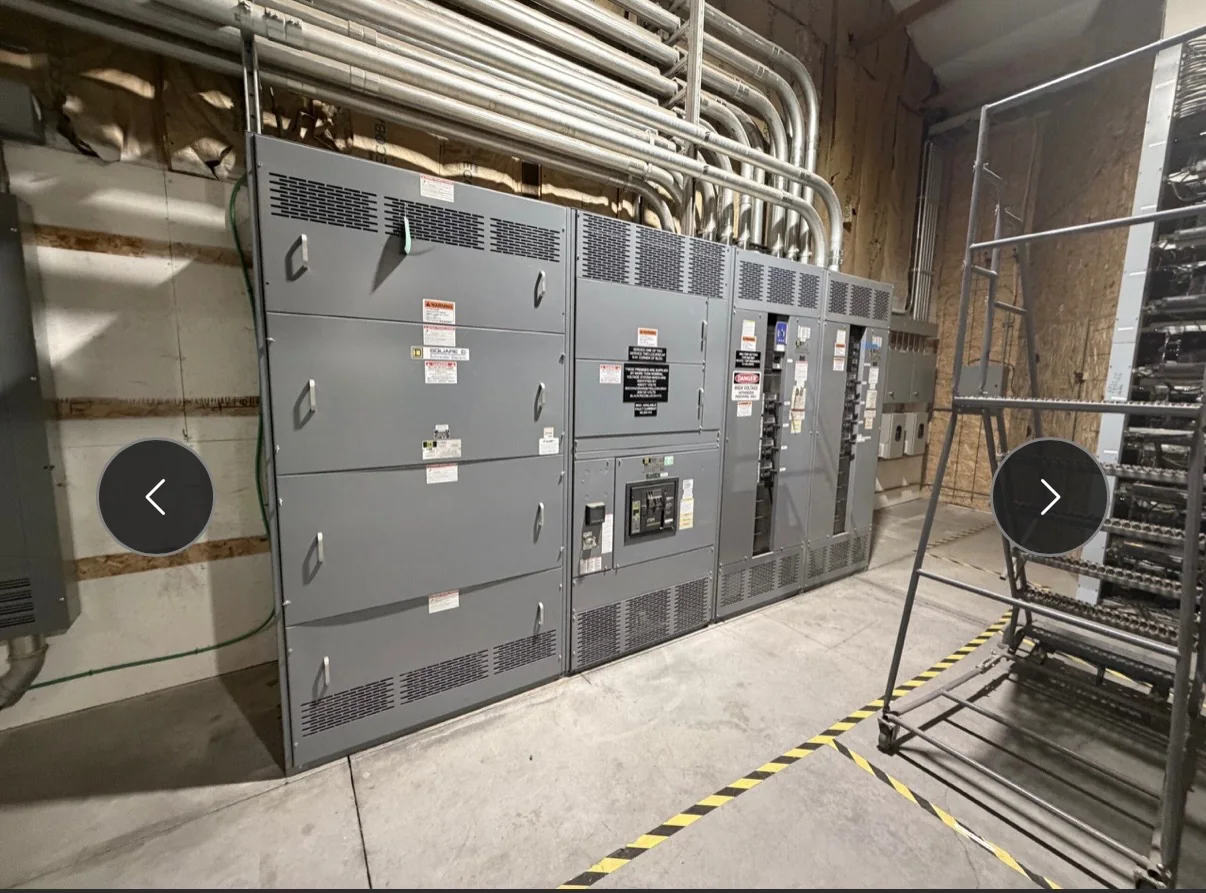
Start with a complete, coordinated package
The most useful schedule step often happens before a request for quotation: assemble a coordinated set of design inputs. Provide the one-line diagram, equipment scope, system voltage, available fault-current information, bus requirements, enclosure conditions, control and metering needs, and the intended service environment. Identify applicable project standards, code requirements, and any owner or utility criteria. Qualified professionals must determine protection, ratings, and applicable codes for the installation; a manufacturer needs those decisions to evaluate the equipment accurately. Include the required submittal format, delivery constraints, site access limits, and the date the equipment must support on-site work. Call out unresolved items rather than leaving them implicit. A complete package reduces clarification cycles and makes it easier to distinguish essential requirements from preferences. It does not guarantee a particular build or delivery period, but it creates a sound basis for a schedule discussion and a meaningful comparison of options.
Keep technical reviews moving
Approval time is part of the project schedule, not an administrative detail to address after equipment selection. Assign an owner for each review, agree on a realistic review window, and route drawings and questions to the people authorized to resolve them. Consolidate comments where possible so the manufacturer receives one coordinated response instead of conflicting direction from separate reviewers. Track open technical decisions, their responsible parties, and the dates needed to keep the project moving. When a submittal raises a discrepancy, resolve it promptly and document the accepted answer in the project record. Late changes to bus arrangement, protective devices, control logic, dimensions, or interfaces can require engineering and drawing revisions, and may affect procurement or fabrication planning. Avoid marking a submittal approved while significant requirements remain undecided. Clear approvals support orderly release and reduce avoidable rework, although actual timing still depends on project scope, materials, engineering, and other conditions that must be reviewed.
| System | Voltage, phase, current and available fault current |
|---|---|
| Configuration | Lineup, protection, controls and enclosure as specified |
| Compliance | Applicable standards and listing confirmed for the assembly |
| Delivery | California and nationwide; schedule confirmed by quote |
Separate essential requirements from acceptable alternatives
Flexibility can help when a specified component or arrangement presents a schedule concern, but an alternative is useful only if it remains suitable for the application. Before proposing substitutions, identify which characteristics are mandatory: electrical ratings, interrupting or withstand requirements, protection functions, physical dimensions, connection points, environmental conditions, and coordination with adjacent equipment. Then ask the engineer of record, owner, and other responsible reviewers to define what may vary and what evidence they need to assess a change. A substitution can affect drawings, settings, arc-flash analysis, maintenance practices, spare parts, and compatibility with existing systems. Confirm those impacts rather than treating similar catalog descriptions as proof of equivalence. Keep the approved basis of design and any accepted deviation documented. Alternatives should be evaluated early, while there is time to review consequences; they should not be introduced as an informal workaround after fabrication begins. No alternative should override safety requirements or the project’s governing specifications.
Verify inventory against the actual scope
Inventory can be a useful schedule input, but a general statement that equipment or components are available does not establish that a complete, compatible assembly is ready for a particular project. Ask what items are being considered, whether quantities and configurations match the scope, and what further engineering, assembly, testing, or documentation remains. Confirm that proposed components align with the approved ratings and interfaces, and establish who will verify that alignment. If an inventory-based option is under review, compare its configuration and condition against project requirements rather than relying on a broad description. Also clarify whether allocation, substitutions, or other project commitments affect the assessment. Inventory status can change, and availability should be confirmed for the specific scope and at the point of decision. Treat it as one factor in a schedule review, not a promise of shipment or installation by a given date. Written confirmation helps the team plan responsibly and identify remaining dependencies.
Build a realistic schedule with contingencies
A dependable schedule includes more than a target delivery date. Map the path from finalized requirements through quotation, engineering, submittal approval, release, material coordination, fabrication, inspection, shipping, receiving, and installation. Ask the manufacturer to review the project’s scope and constraints before relying on any planning estimate; timing is subject to project-specific review and cannot be assumed from a general lead-time statement. Identify long-lead dependencies, decision deadlines, site readiness needs, and milestones that could shift if design inputs or approvals change. Where the project is schedule-sensitive, discuss whether any expedited approach is feasible for the particular scope, and what tradeoffs, prerequisites, or additional coordination it may involve. Do not treat an expedited possibility as a guarantee. Maintain a contingency plan for unresolved approvals or changing requirements, and communicate schedule changes promptly to affected trades. For a useful next step, send the current design package, required dates, approval pathway, and any acceptable alternatives for review.