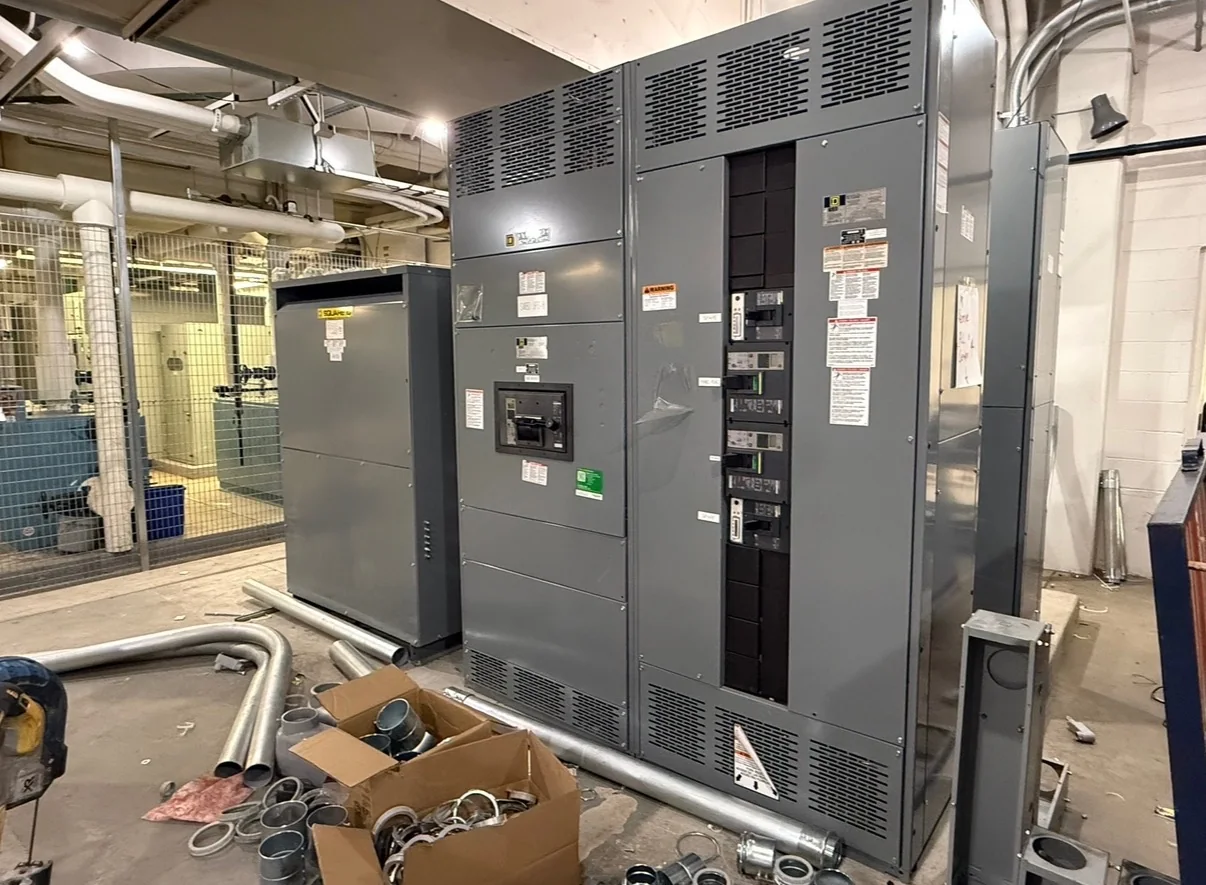
Configuration and project scope
The first cost driver is what the equipment must do and how it must fit into the project. A quotation can change with the number and arrangement of sections, feeder and main devices, bus configuration, metering, control functions, and provisions for future connections. Physical constraints matter too: available floor space, access for installation, cable entry, and the relationship to existing equipment can influence enclosure layout and assembly complexity. For a replacement or expansion, identify the existing lineup and explain what must connect to it; modernization work on a customer’s own equipment is a separate scope from supplying new switchgear. Share one-lines, load schedules, site dimensions, and a written scope where available. If design details remain open, mark assumptions and alternatives explicitly. This helps the manufacturer price a defined basis rather than guess at features, and gives the project team a practical path to resolve gaps before comparing proposals.
Ratings and electrical requirements
Electrical ratings affect the selection and coordination of major components, bus, insulation, and protective devices, so they should be stated early. Provide system voltage, frequency, continuous current requirements, available fault-current information, and the required short-circuit withstand or interrupting ratings as applicable to the equipment and device. Identify grounding method, service conditions, and any required metering or protection functions. A higher rating is not simply a line-item upgrade: it may affect several interacting design choices and the physical arrangement. Ratings also need to coordinate with upstream and downstream equipment and the protection study. Qualified professionals should establish protection, ratings, and applicable code requirements for the project; the manufacturer needs those documented inputs to develop a meaningful scope. For medium- or high-voltage equipment, identify and verify the standards applicable to that specific equipment. UL 891 applies to applicable low-voltage switchboards, not to medium- or high-voltage gear; any required evaluation or listing should be confirmed for the actual scope.
| System | Voltage, phase, current and available fault current |
|---|---|
| Configuration | Lineup, protection, controls and enclosure as specified |
| Compliance | Applicable standards and listing confirmed for the assembly |
| Delivery | California and nationwide; schedule confirmed by quote |
Components, controls and options
Component choices shape both material cost and engineering effort. The specification may call for particular breaker types, trip functions, instrument transformers, meters, relays, control power arrangements, communications interfaces, or auxiliary contacts. Brand preferences, approved-vendor lists, interchangeability needs, and compatibility with plant controls can narrow the choices and affect procurement. Optional features such as key interlocking, space heaters, special monitoring, or provisions for remote operation should be described by function and quantity rather than left to interpretation. Not every option is appropriate for every application, and adding features can introduce wiring, testing, documentation, and coordination work as well as component expense. When a named make or model is required, include it and explain whether approved alternatives may be considered. When performance matters more than a specific brand, state the required function and interfaces. A complete device schedule, control schematic, and communications requirements help produce a quotation that reflects actual project intent.
Testing, documentation and finishes
Verification requirements influence engineering time, production planning, and quoted scope. Specify routine checks, functional tests, witness or hold points, and any project-specific procedures or reports required. Clarify who will attend, what records are needed, and whether inspection timing must align with other work. Test expectations should be tied to the equipment and contract documents; do not assume that a requested test implies a certification or third-party listing. Documentation can include drawings, bills of material, wiring information, operating instructions, and record documents, with the required format and review stages stated clearly. Enclosure finish is another cost variable. Identify indoor or outdoor service, the environment, material expectations, color, coating system, and any surface preparation requirements. Corrosive, washdown, coastal, or unusual temperature conditions may call for additional design review. A standard finish may suit one electrical room, while a specified coating or enclosure material can affect sourcing and fabrication. Define acceptance criteria rather than relying on vague terms such as “heavy duty.”
Delivery, logistics and a useful quote
Logistics affect the delivered project cost even when they do not change the electrical design. Provide the destination, receiving hours, access limits, unloading arrangements, site storage constraints, and any restrictions on truck size or delivery appointments. Shipping configuration and packaging should account for the route and installation plan; large lineups may require coordination on how sections move through doors, corridors, or lifting points. State whether the quotation should include freight or whether delivery will be arranged separately, and clarify the delivery point and responsibility for unloading. Nationwide shipping may be considered, subject to project review and logistics. Schedule-sensitive or expedited options can also be discussed, but depend on design completeness, component sourcing, production capacity, and shipment details and are not guaranteed. To make proposals comparable, issue the same drawings, ratings, component preferences, testing scope, finish requirements, and delivery assumptions to each bidder. Ask suppliers to identify exclusions, open questions, and pricing assumptions. Resolve those differences before award, then manage approved scope changes in writing.