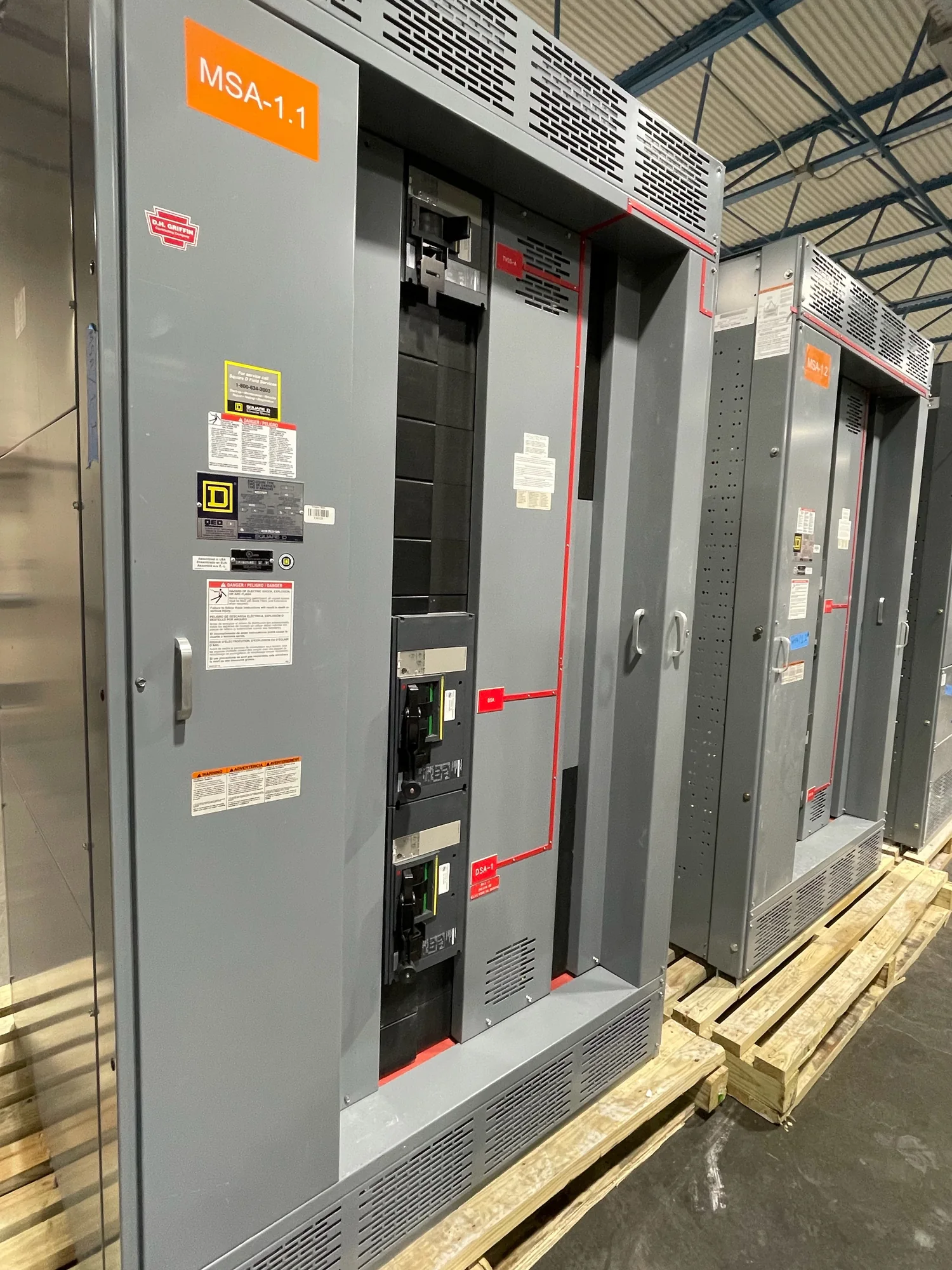
A dedicated room is not a universal requirement
Whether switchgear needs a dedicated room depends on the equipment, its installation environment and the rules governing the project. A dedicated electrical room can provide controlled access, protection from unrelated activity and a clear area for maintenance. But some installations may be designed for an electrical space shared with other equipment, or for a suitable area within a larger facility. The answer cannot be determined from the word “switchgear” alone. Voltage class, equipment construction, intended location and the adopted electrical and building codes all matter. The project’s electrical engineer and authority having jurisdiction (AHJ) should establish the applicable requirements. They can assess whether a room, enclosure, separation or other arrangement is necessary. Treat the room question as an early design decision, not a default assumption or a reason to reserve space before the equipment and site conditions are understood.
Start with code, equipment type and location
Identify the type of equipment and where it will be installed before deciding how to house it. Low-voltage switchboards, medium-voltage switchgear and other assemblies can be subject to different standards, code provisions and installation constraints. The project team should identify the standards applicable to the specific equipment and confirm relevant code requirements with the AHJ; a standard’s relevance does not by itself establish that an assembly has a third-party listing. Site conditions also change the analysis. Indoor and outdoor locations, occupancy, exposure to weather or contaminants, nearby processes and the presence of other electrical equipment can affect permitted placement and protection. For outdoor or less-controlled spaces, the design may need an appropriate enclosure and environmental provisions. For interior installations, room construction and access may be shaped by local code, fire protection and building use. Qualified professionals should resolve these details for the actual project.
| System | Voltage, phase, current and available fault current |
|---|---|
| Configuration | Lineup, protection, controls and enclosure as specified |
| Compliance | Applicable standards and listing confirmed for the assembly |
| Delivery | California and nationwide; schedule confirmed by quote |
Plan working space, access and safe maintenance
Even where a separate room is not required, switchgear needs a suitable working area. Required working clearances and access depend on the equipment, the applicable code and the specific installation; do not rely on a generic room dimension. The layout should provide space to operate equipment and perform inspection, testing or service without obstruction. Consider doors, aisle widths, equipment lineup length, cable entry and routing, and the path for moving assemblies into their final position. Keep the intended work area clear of storage and unrelated uses, and consider how authorized personnel will control access. Other systems such as piping, ducts or structural members can interfere with access or future maintenance if their routing is not coordinated early. The electrical designer should establish applicable clearances and safety provisions, while the project team checks that the proposed room or area can support both installation and ongoing work.
Account for environment and building coordination
A room’s suitability is about more than whether equipment physically fits. Heat from electrical equipment, ambient temperature, ventilation, humidity, dust, water exposure and corrosive or conductive contaminants can affect design decisions. The engineer should determine which environmental conditions apply and whether ventilation, conditioning, drainage, barriers or other protective measures are needed. Coordinate those needs with the building design rather than assuming a room will solve them automatically. Check ceiling height, floor loading, anchorage, wall and floor openings, cable trench or conduit routes, and access for delivery and rigging. Also consider whether doors and structural openings allow the equipment to be installed or replaced. Where a room is shared, identify other occupants and systems so they do not compromise clearances, environmental controls or access. Resolve these interfaces during design, when layout changes are generally easier than after construction.
Confirm the arrangement before requesting a build
To evaluate a proposed installation, assemble the one-line diagram, equipment type and voltage class, preliminary ratings, site location, available footprint, room or enclosure drawings, cable-entry preferences, and known environmental conditions. Include the project’s governing code basis and any requirements already identified by the engineer or AHJ. These inputs help the equipment builder understand the intended application and flag information that still needs confirmation; they do not replace professional design or code review. If a dedicated room is under consideration, share its dimensions, access openings, adjacent uses and planned services. Ask the design team to reconcile the equipment layout with working space, installation access, ventilation and maintenance needs before finalizing construction documents. Switchgear Builder California supplies new equipment built in the USA with American components and serves California customers as well as projects nationwide. Contact the team with project details to discuss equipment requirements and coordination needs.