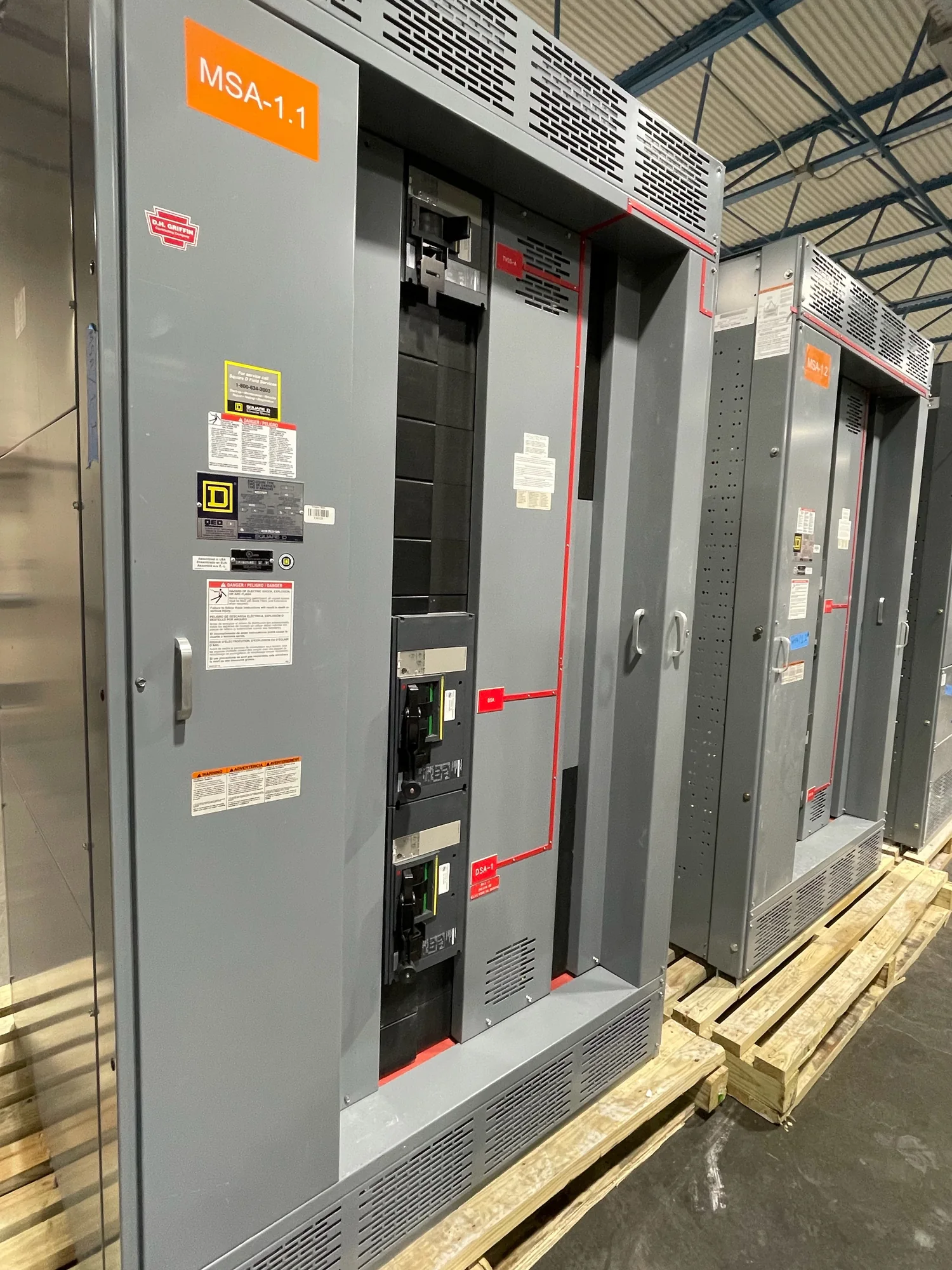
Define the Finish for the Installation
A powder-coated enclosure starts with the environment it must withstand, not just a paint color. Tell the project team whether the new switchgear will be indoors or outdoors and describe sunlight, moisture, coastal air, cleaning chemicals and expected handling. These conditions help determine whether a proposed coating chemistry and pretreatment are suitable. For example, an exterior finish may need better resistance to ultraviolet exposure than a finish protected inside an electrical room. Discuss the complete coating system rather than assuming one powder works equally well everywhere. Provide the equipment drawings, enclosure material and finish specification when requesting a quotation. Identify the visible surfaces and any separate requirements for interior panels or accessories. We manufacture new switchgear in the United States with American components, serving California projects and shipping nationwide; confirm project-specific sourcing details and freight arrangements during review. The equipment engineer should also verify applicable enclosure requirements independently: a coating alone does not establish an enclosure rating.
Approve Color, Gloss and Appearance
A color name by itself leaves too much room for interpretation. Specify the color reference and finish, including gloss level and texture, and identify which surfaces must match. If the finish must coordinate with adjacent equipment, supply a current physical sample or an agreed color standard rather than relying on a screen image. Similar color codes can still look different when viewed under different lighting or on surfaces with different textures. Ask whether a coated sample panel can be submitted for approval before the finish is released. Agree on the viewing conditions, permissible color and gloss variation, and treatment of minor surface imperfections. A metallic or textured finish may make repairs and matching across separate batches more difficult, so discuss those risks before making the selection. Record the approved powder identification and sample reference on the submittal, along with any revisions. Confirm who has authority to approve the sample and how that approval fits the project schedule.
| System | Voltage, phase, current and available fault current |
|---|---|
| Configuration | Lineup, protection, controls and enclosure as specified |
| Compliance | Applicable standards and listing confirmed for the assembly |
| Delivery | California and nationwide; schedule confirmed by quote |
Prepare Metal Before Coating
Finish quality depends on the condition of the metal underneath. Fabrication oils, fingerprints, weld residue, oxidation and loose particles can interfere with adhesion or leave visible defects. The finishing plan should identify the substrate and how it will be cleaned, rinsed and dried before powder is applied. Where appropriate, a conversion pretreatment can improve the coating base; its selection should suit the metal and the required exposure. Steel, galvanized material and aluminum may need different preparation, so mixed materials should be identified during design review. Discuss weld finishing and edge conditions with the fabricator before approving appearance criteria. Abrasive preparation may be appropriate for some surfaces, but it does not automatically remove every oil or eliminate the need for other pretreatment. Confirm the required surface condition, any relevant project specification and how preparation is checked. A representative sample can reveal whether surface texture or fabrication marks will remain visible after the coating cures.

Coordinate Masking and Cure Controls
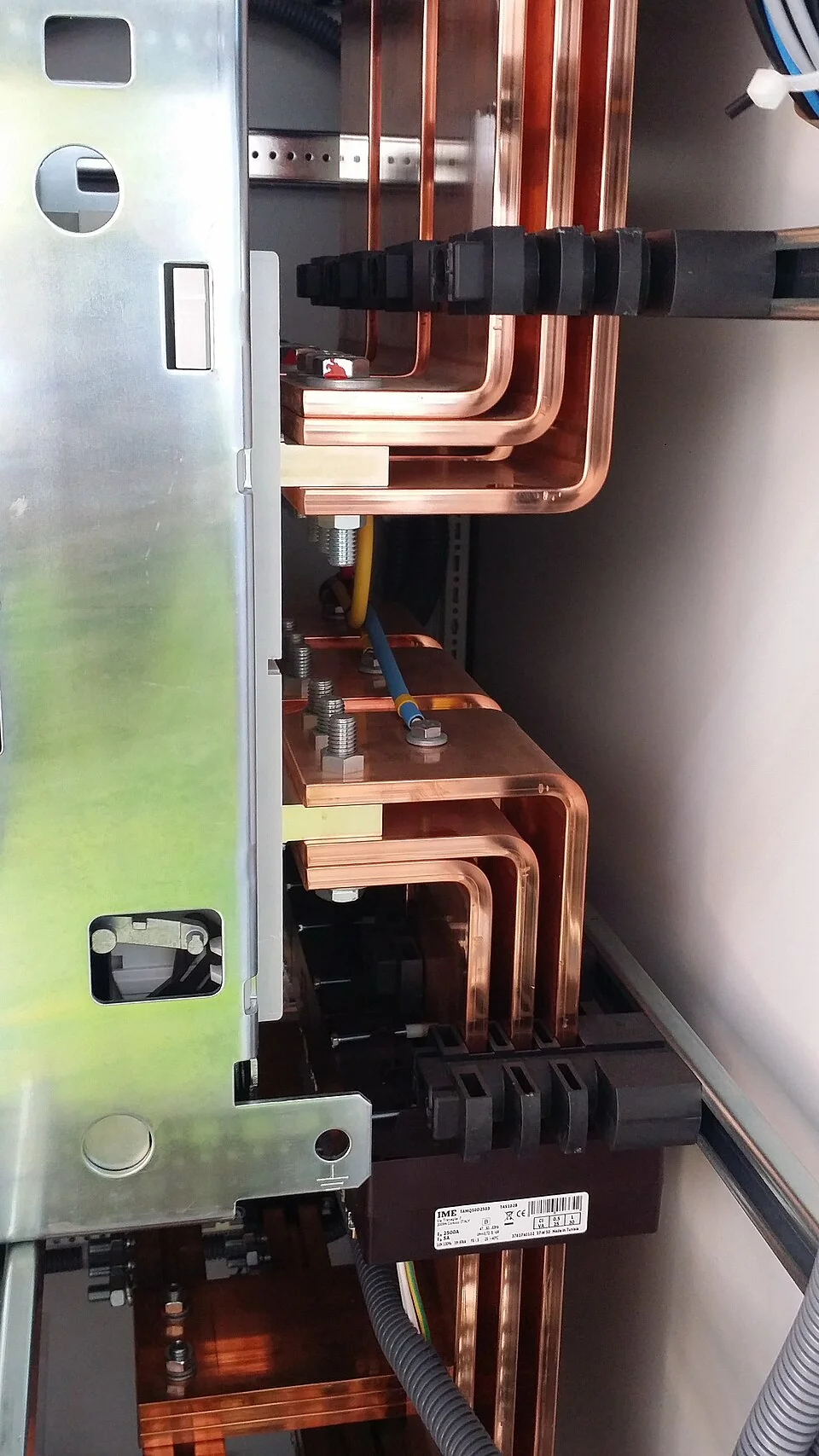
A successful finish preserves the functions of the enclosure as well as its appearance. Identify bonding and grounding contact surfaces, electrical mating areas, threaded holes, studs and other interfaces that must remain clear of coating or receive a specified alternative treatment. Show masking boundaries on the drawings and coordinate them with component installation and the equipment design. Qualified personnel should verify the completed bonding connections using the applicable assembly instructions; coating should not be assumed to provide an electrical connection. Powder must also be cured according to the selected material's instructions. The important variables are the temperature of the metal and the time it remains at the required temperature, not simply the oven air setting. Heavy frames and thin panels may heat at different rates. Ask how the finishing process accounts for part geometry, confirms the cure cycle and protects heat-sensitive items such as gaskets or labels. Any proposed changes to masking or cure should be reviewed before production.
Verify the Finish Before Shipment
Agree on inspection methods and acceptance criteria before work begins. A finish review can include visual checks for coverage, contamination and handling damage, plus dry-film thickness readings at representative locations. Establish the gauge method, number of measurements and acceptable range in the project specification. If adhesion testing is required, define the method and sampling plan; some tests damage the finish and may be better suited to representative coated panels. Corrosion testing, if specified, needs defined specimens and evaluation criteria, and an accelerated test alone cannot predict service life. Ask what records will be available, such as powder identification, preparation details, cure verification and inspection results. Decide who reviews nonconforming areas and whether an approved touch-up procedure is acceptable. Include protection of finished doors and panels in the packing discussion, and agree how shipping damage will be documented on receipt. Confirm inspection, sample review and shipping milestones against the actual project schedule before ordering.