Start with the Actual Exposure
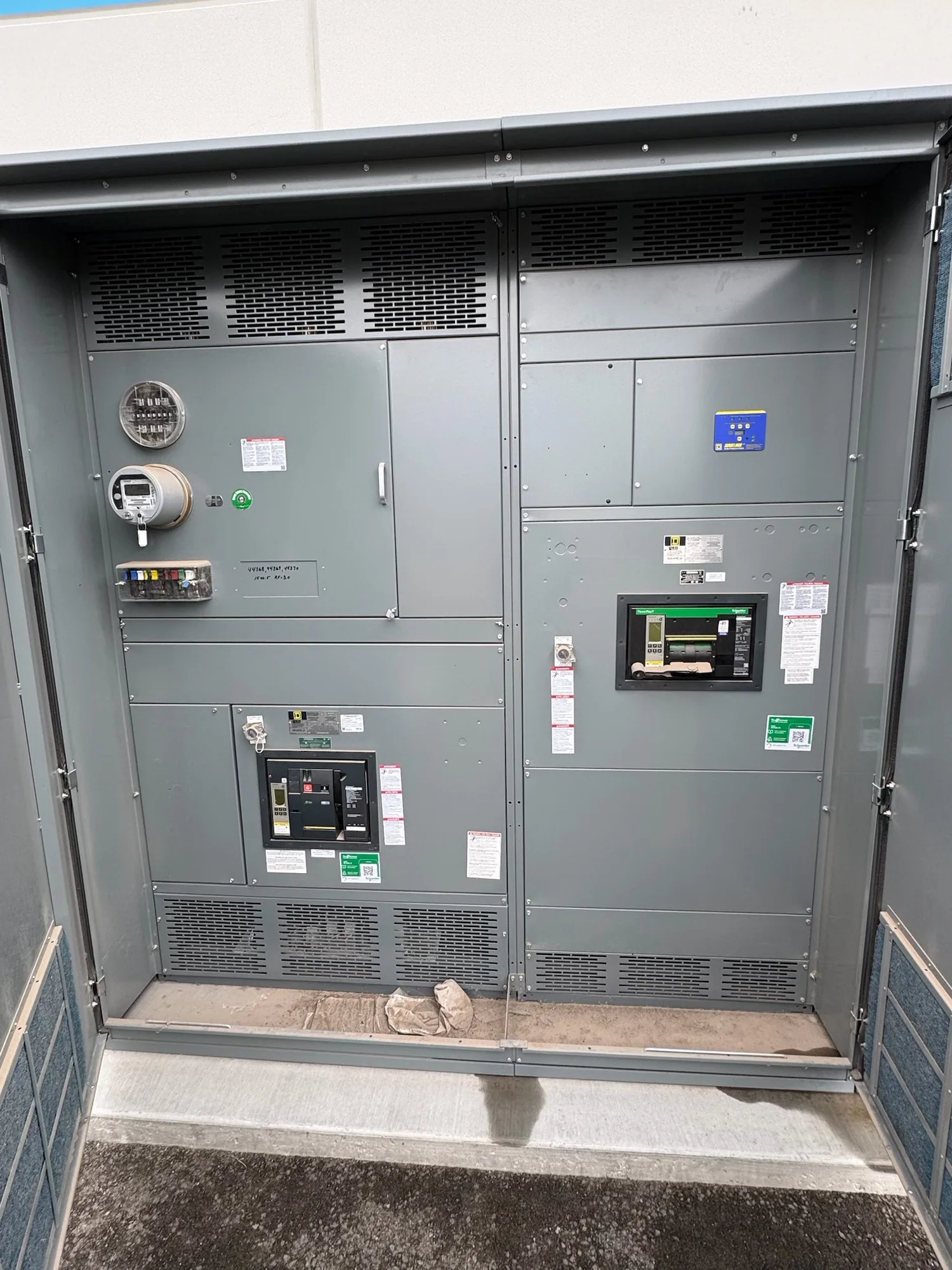
“Corrosive environment” can describe very different conditions, so finish selection should begin with a site-specific exposure review. A coastal installation may face salt-laden air and wind-driven moisture, while an industrial room may contain cleaning agents, process vapors or occasional chemical spills. Outdoor equipment can also experience condensation, standing water, ultraviolet exposure and repeated temperature swings. Record where the gear will be installed, whether it is indoors or outdoors, and which surfaces are exposed during normal operation, cleaning or maintenance. Note likely contaminants, their concentration and frequency, and whether ventilation or washdown practices change exposure over time. These details help the design team distinguish a persistent atmospheric hazard from intermittent contact or ordinary humidity. A finish described as corrosion resistant is not automatically suitable for every chemical or exposure level. Qualified project professionals should review the operating environment, enclosure requirements and applicable codes before selecting materials or specifying protection.
Coordinate Substrate and Finish
The enclosure substrate and its protective finish work together; choosing a coating without considering the underlying material can leave important weaknesses unaddressed. Evaluate the specified base metal, surface preparation, coating system and application process as a coordinated design. Preparation matters because contamination, sharp edges, weld details or inconsistent surface condition can affect coating adhesion and coverage. Review seams, corners, fastener locations, cutouts and mounting interfaces, where water may collect or a protective layer may be disturbed during assembly. If stainless or another corrosion-resistant material is under consideration, confirm that its grade and fabrication details suit the actual environment rather than relying on a broad material label. Dissimilar metals and hardware may also create galvanic-corrosion concerns when moisture provides an electrolyte. Ask the manufacturer to clarify the proposed material and finish boundaries, including whether doors, enclosure bodies, internal supports and external hardware receive the same treatment. The resulting specification should identify a complete system, not just a color or finish name.
| System | Voltage, phase, current and available fault current |
|---|---|
| Configuration | Lineup, protection, controls and enclosure as specified |
| Compliance | Applicable standards and listing confirmed for the assembly |
| Delivery | California and nationwide; schedule confirmed by quote |
Consider Coastal and Chemical Hazards
Coastal exposure calls for attention to salt deposits, persistent humidity and airborne moisture that can reach equipment even when it is not directly exposed to spray. For installations near the shoreline, discuss enclosure location, orientation, drainage and cleaning access alongside the finish choice. Sheltered areas may still collect salt or experience condensation, so a roof or indoor placement does not by itself resolve the corrosion question. Chemical environments require a different kind of specificity: provide product names or safety data, concentration, temperature, contact duration and cleaning method where known. A coating compatible with one diluted cleaning solution may not tolerate a concentrated spill or repeated hot washdown. Identify whether exposure is vapor-only, incidental splash or direct contact, and distinguish the exterior enclosure from internal components that may need separate environmental protection. Where conditions are uncertain or likely to change, make that uncertainty explicit during design review. The finish should be selected against credible operating conditions, with any limits and inspection expectations understood by the owner.

Protect Functional Details and Interfaces
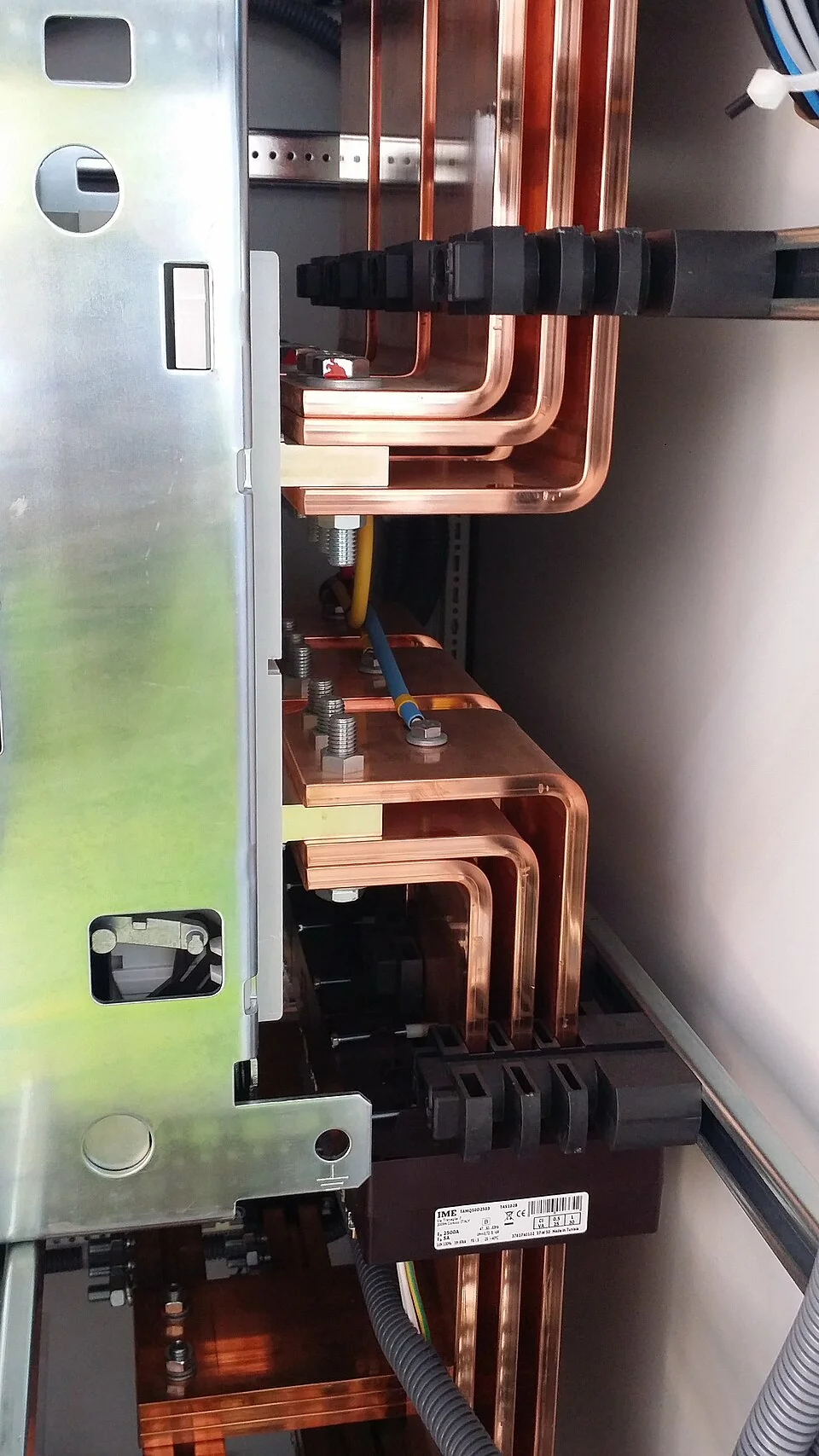
Corrosion protection must preserve the enclosure’s mechanical and electrical function. Door fit, hinges, latches, bonding points, grounding connections and equipment interfaces all need deliberate treatment in the design. Coating buildup can affect clearances or contact surfaces, while removing a coating for electrical bonding can expose bare metal unless the detail is properly managed. Do not assume that applying more coating everywhere is beneficial; the design must account for required electrical continuity and assembly tolerances. Consider how field modifications, drilling or replacement hardware could compromise the original protection, and define an approved method for repairing damaged areas. Cable entries, conduit connections, ventilation openings and drainage features deserve particular attention because they can admit moisture or create locations where contaminants accumulate. Review any gasket or sealing approach in the context of temperature, service access and enclosure requirements. The manufacturer, electrical engineer and installer should coordinate these details before release for fabrication so protective measures do not conflict with safe operation, maintenance access or project-specific requirements.
Provide Clear Inputs for a Durable Specification
A useful request for quotation or design review includes the installation location, indoor or outdoor status, exposure description, ambient conditions, cleaning practices and any known chemical agents. Add enclosure dimensions or drawings, required access and ventilation, relevant electrical ratings, interface details, and the project’s applicable environmental and code requirements. If a finish color or appearance is important, state that separately from the required corrosion performance; appearance alone does not establish suitability. Ask which substrate and finish system are proposed, what preparation and coverage are intended, and how edges, welds, hardware and repaired areas are addressed. Discuss inspection and maintenance expectations, including how owners should remove deposits and report coating damage without using incompatible cleaners. For schedule-sensitive projects, raise finish and material decisions early because specialized selections may affect design coordination and manufacturing planning; any expedited option remains subject to project review. Switchgear Builder California builds new equipment in the USA with American components and serves California and nationwide customers. Share the exposure data early so the team can review the application and clarify design inputs before fabrication.