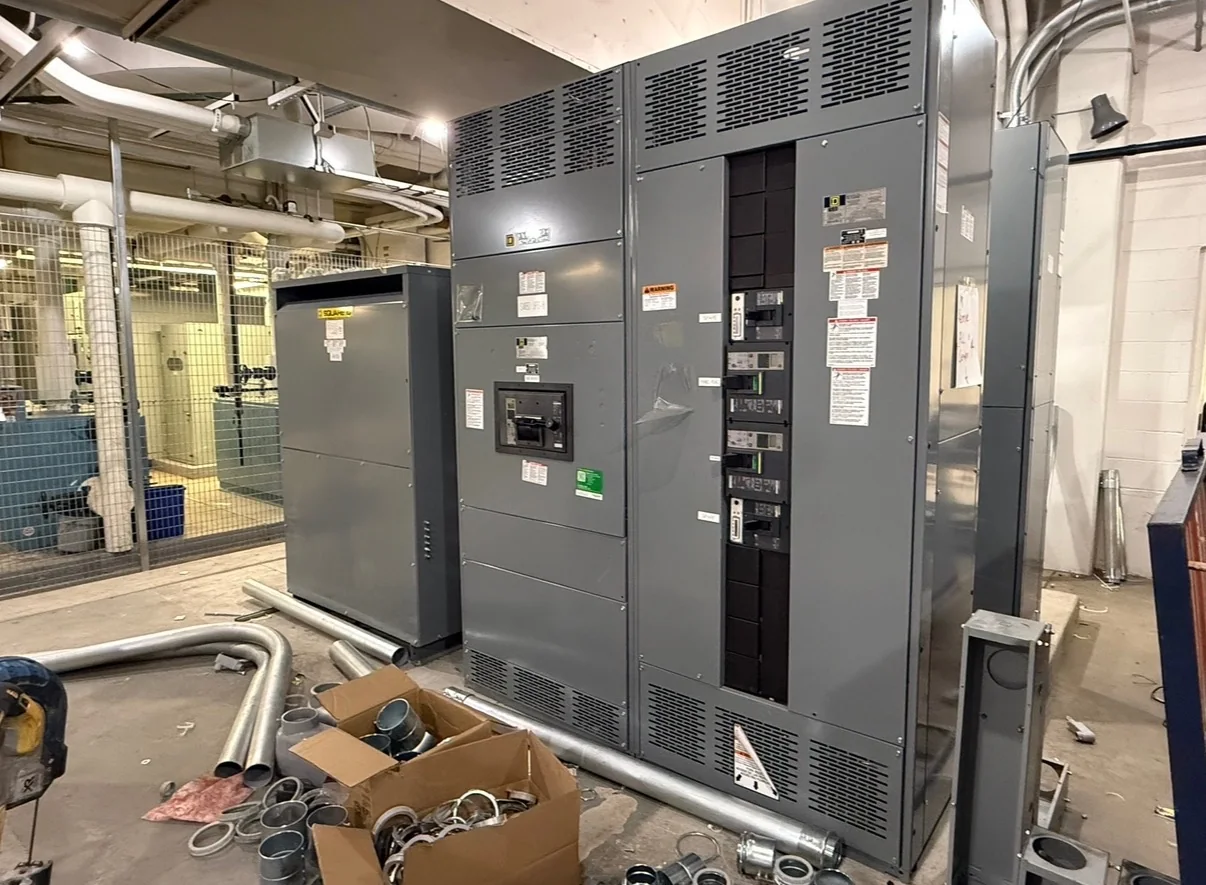
Set the FAT scope around project requirements
A useful factory acceptance test (FAT) plan starts with the approved project documents, not a generic checklist. Identify the assemblies and functions to be examined, then trace each planned demonstration to the applicable drawings, specifications, and interface requirements. Scope may include visual and mechanical checks, control-circuit verification, device operation, interlocks, metering indications, alarms, or other functions called for by the design. The exact tests depend on equipment type and project requirements; a FAT does not replace installation checks, commissioning, or field verification. Separate items that can be demonstrated at the factory from those that depend on site wiring, external systems, or operating conditions unavailable there. Record exclusions and assumptions so nobody mistakes an untested interface for an accepted one. Early scope agreement helps the manufacturer prepare the right procedures and test setup, while giving the buyer, engineer, and contractor a common basis for review. Resolve specification conflicts through the project’s designated technical decision-makers before test day.
Agree on witness roles and test logistics
Define who will attend, who may witness remotely, and who has authority to accept results or request a documented deviation. The plan should name the customer’s representative roles rather than assume every attendee can approve changes. Establish proposed dates and the notice needed to coordinate travel, access, and any remote connection; actual scheduling remains subject to project review and manufacturing readiness. Share an agenda, expected duration, safety orientation, and rules for photography or recording in advance. Identify the manufacturer’s test lead and the customer contact responsible for consolidating comments, so instructions do not conflict during demonstrations. Witnessing is an opportunity to observe agreed tests and ask questions; it is not a substitute for reviewing submittals or resolving open design points. If a witness cannot attend, agree whether the test may proceed, how evidence will be shared, and what approval is required. Capturing these arrangements in writing reduces avoidable delays and keeps the visit focused on technical acceptance.
| System | Voltage, phase, current and available fault current |
|---|---|
| Configuration | Lineup, protection, controls and enclosure as specified |
| Compliance | Applicable standards and listing confirmed for the assembly |
| Delivery | California and nationwide; schedule confirmed by quote |
Write procedures that produce repeatable evidence
Each procedure should state the equipment identification, prerequisites, test instruments or simulation method, steps, expected indication, and the record to be completed. Use drawing and device references that match current approved documents, including revision levels, so a witness can follow the test without guessing. For functional checks, define the stimulus and expected response: for example, the input applied, the device or signal observed, and any permitted timing or tolerance specified by the project. Distinguish an actual electrical test from a simulated input or visual inspection; both can be useful, but they demonstrate different things. Where a test depends on a setting, confirm the governing approved value and who is authorized to change it. Procedures should also explain how results are marked, how exceptions are logged, and whether a failed or inconclusive step will be repeated. Keep steps practical and safe for the assembly and test environment. Qualified professionals determine the appropriate protection, ratings, test methods, and applicable codes for each project.

Define acceptance criteria before the demonstration
Acceptance criteria turn observations into consistent decisions. State the applicable requirement and the evidence that will demonstrate conformity, using approved project specifications, drawings, and agreed tolerances as the basis. Avoid vague terms such as “works correctly” unless the procedure defines the expected behavior in observable terms. Identify which results are pass, fail, or pending, and explain how a discrepancy will be evaluated. A comment that identifies a drawing mismatch, for instance, may require a technical disposition before acceptance rather than an immediate field adjustment. Agree in advance who can approve a deviation and how revised documents or settings will be controlled. Do not treat a witnessed FAT as proof of performance under every site condition, nor as a substitute for required code review, installation inspection, or commissioning. Applicable standards depend on equipment type and project scope; identify and verify the standards that apply to the specific assembly. Clear criteria protect both parties from changing acceptance expectations during the test.
Close findings and control the test record
Plan the record package before testing begins. A useful FAT record identifies the assembly, test date, procedure and document revisions, attendees, instruments or simulation approach where relevant, results, and any open findings. Use a numbered punch list or exception log with an owner, disposition, and status for each item. Separate corrections required before release from observations that have an agreed resolution or follow-up path. When work changes after a test, determine whether the affected steps must be repeated and update the records accordingly. The final package should preserve the evidence needed for project review, such as completed test sheets and approved dispositions, while respecting applicable document-control requirements. Agree who reviews the package, how comments are resolved, and what constitutes closure before shipment is considered. A signed or witnessed record documents the agreed test outcome; it does not establish that every site condition has been tested. Send the plan and current procedures for review early, then confirm the agenda and open issues before the FAT.