Start with the equipment identity
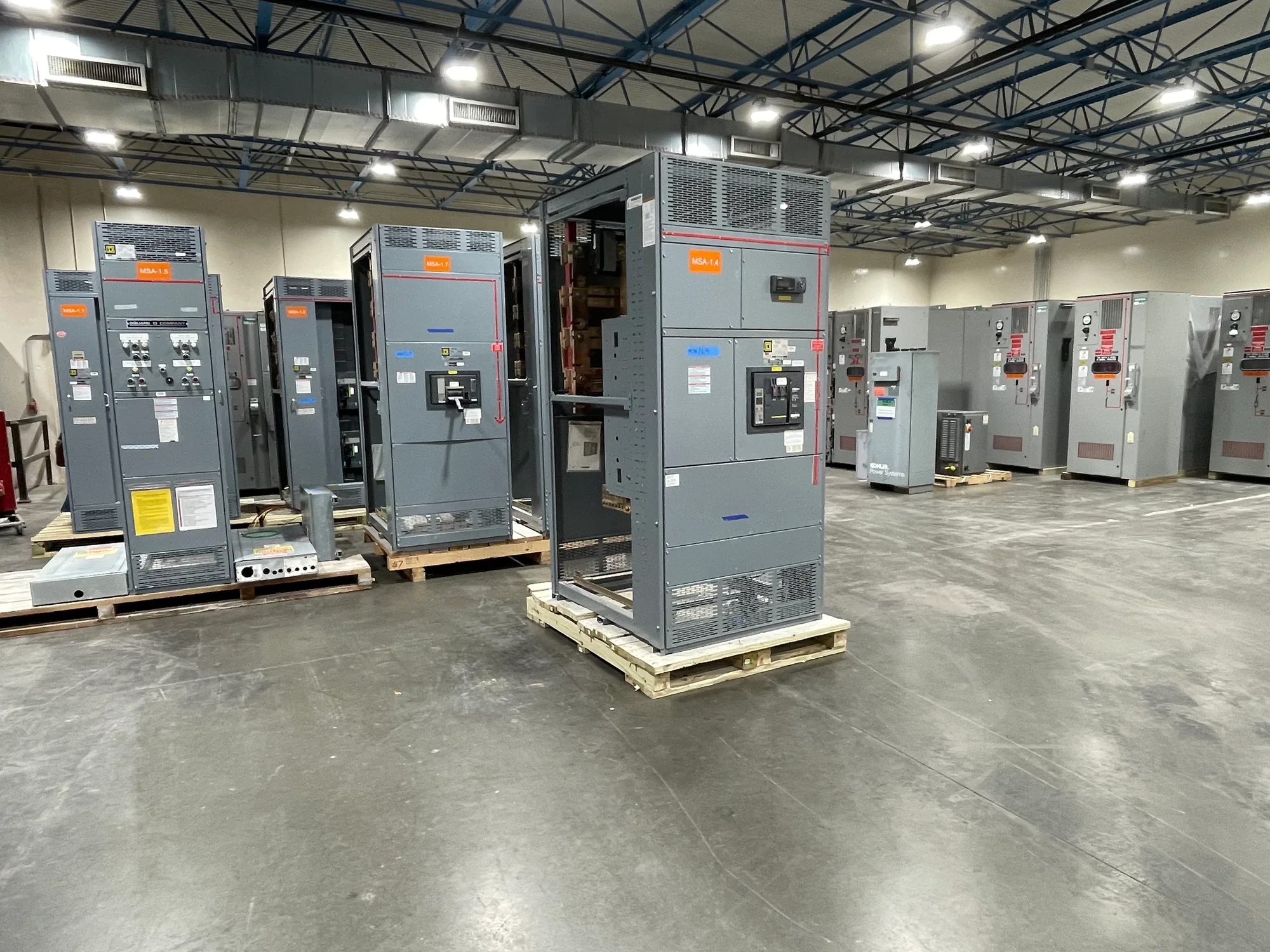
Before discussing retrofit scope, establish exactly what equipment is installed. Record the manufacturer, model or type, serial number, installation date if known, and the designation of each lineup, section, compartment and device. Photograph nameplates straight-on, with enough resolution to read voltage, current, interrupting or withstand ratings, frequency and other marked data. Capture the full assembly as well as individual breaker, relay, meter and accessory plates; details can vary within one lineup. Do not treat a faded or incomplete label as a reliable rating. Mark information that is uncertain and arrange for a qualified professional to verify it against drawings, records or safe field inspection. A consistent equipment register helps connect images and measurements to the right cubicle later. Keep original labels and document any field modifications that may have changed the installed configuration.
Measure the assembly and its interfaces
Dimensions help determine whether a proposed replacement or modification can fit and connect, but they need a defined reference. Record overall lineup width, height and depth, section widths, mounting elevations, clearances, access-door openings, and the location of floor channels or housekeeping pads. Note bus and cable entry locations, conduit routes, cable sizes where safely observable, phase arrangement, termination space, and control wiring interfaces. Photograph adjacent walls, overhead obstructions and nearby equipment, using a tape or scale in representative views. Distinguish field measurements from dimensions taken from legacy drawings, and identify measurement points so reviewers can compare them. Include door swing, withdrawal and maintenance clearances, ventilation paths, and the route used to bring equipment into the room. A fit check should consider access and installation constraints, not just the outside dimensions of the existing enclosure.
| System | Voltage, phase, current and available fault current |
|---|---|
| Configuration | Lineup, protection, controls and enclosure as specified |
| Compliance | Applicable standards and listing confirmed for the assembly |
| Delivery | California and nationwide; schedule confirmed by quote |
Describe condition without guessing
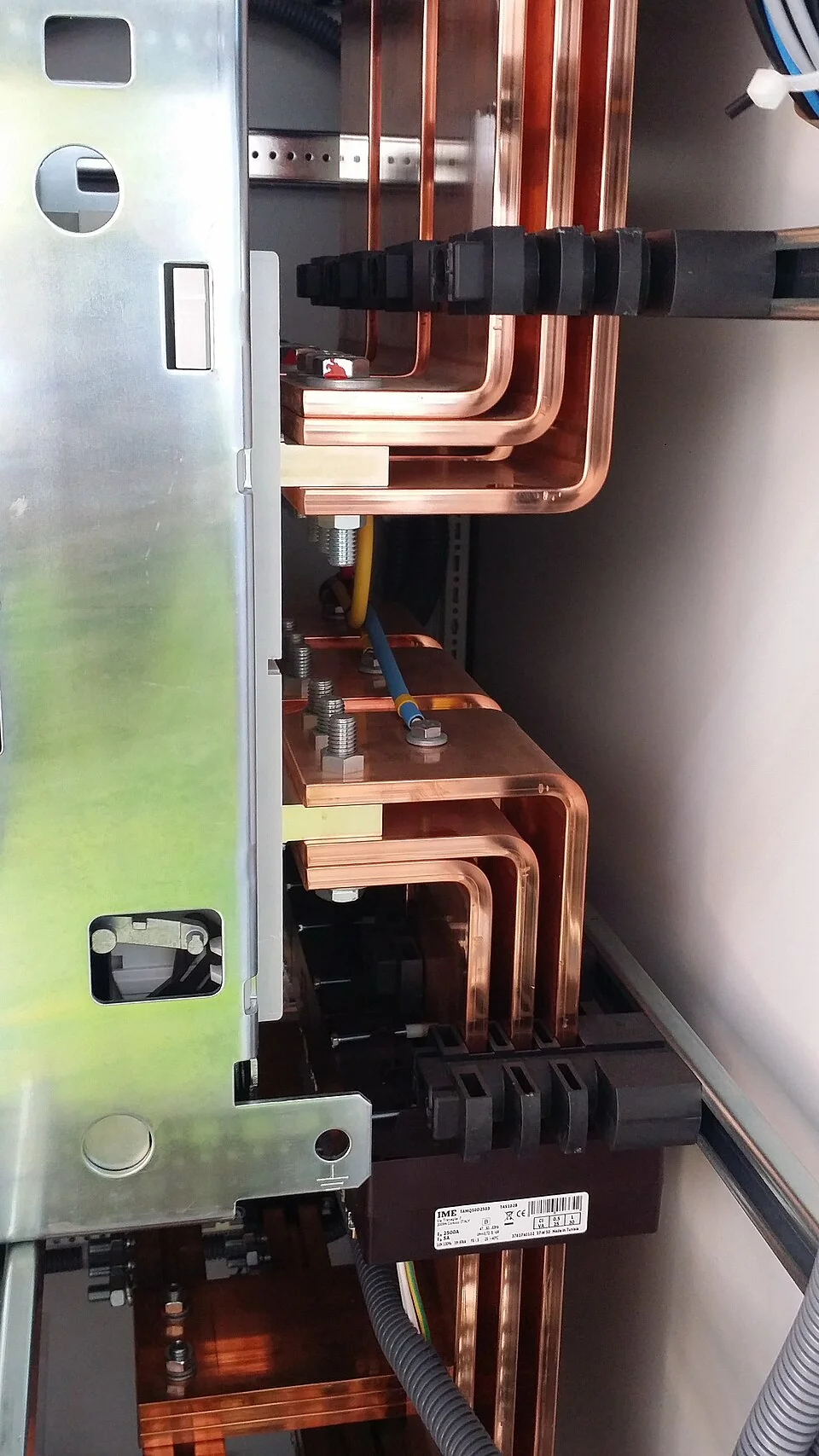
A survey should document observable condition, not make unsupported conclusions about serviceability. Photograph corrosion, water staining, dust accumulation, damaged barriers, cracked insulation, overheated connections, missing labels, loose hardware, unusual odors or signs of previous repairs. Note where each observation occurs and whether it appears isolated or repeated across sections. Record the date and operating state of the equipment, along with any available maintenance history, fault records or known abnormal events. Do not remove covers, operate devices, conduct testing or approach exposed energized parts as part of a general photo survey. Qualified personnel must determine safe access, required protective measures and whether inspection or testing is appropriate. A condition record helps identify questions that could affect scope, but it does not substitute for a detailed engineering evaluation or confirm that equipment is safe to operate.

Capture operating and protection requirements
Physical information alone cannot define a retrofit. Gather one-line diagrams, elementary and wiring diagrams, equipment schedules, coordination studies, available fault-current information, relay settings, breaker trip data and control schematics when available. Identify the connected source and loads, operating voltage, system grounding, normal and alternate operating arrangements, and any interlocks or transfer functions. Record what must remain in service, what outages may be considered, and whether temporary arrangements require review. Explain the intended outcome: for example, replacing a device, updating controls, addressing obsolescence or changing an interface. These are scope questions, not assumptions that a particular modification is feasible. Qualified professionals must establish protection, ratings and applicable codes for the project. For medium- or high-voltage equipment, identify the standards applicable to that specific equipment and verify them during engineering review.
Package the survey for a useful review
Organize the record so an engineering team can trace every finding to a location. Use a simple lineup map with section names, photo numbers and measurement references; include date, site conditions, document revision and the person who collected the information. Send original-resolution images, readable drawing files and a list of missing or conflicting data. Clearly separate confirmed facts, field observations and open questions. Before sharing site information, follow the facility’s security and access rules, and avoid including sensitive details that are not needed for evaluation. A review may identify the need for additional drawings, a site visit, testing or clarification before a proposal can be responsibly developed. Scope, compatibility, schedule-sensitive options and any work limitations remain subject to project review. This preparation does not commit the customer to a particular retrofit; it creates a stronger basis for defining the next engineering and commercial steps.