Set the documentation scope before design is complete
Labels and as-built documents are most useful when their content is established while the switchgear design is taking shape. Begin by identifying who will use them: commissioning personnel, operators, maintenance technicians, facility engineers and future contractors may each need different information. Confirm the project’s drawing standards, naming conventions, equipment tags, revision practices and preferred file formats. Gather the latest one-line diagram, control schematics, connection details, specifications and interface information, then identify which documents must be revised when the design changes. This early coordination helps prevent mismatched device names or terminal references from appearing across drawings and physical equipment. It also gives the project team a chance to resolve unclear ownership of labels at boundaries such as incoming cables, external controls or customer-furnished systems. Agree on the expected handover package and review points before fabrication, while recognizing that final records must reflect the equipment as actually built.
Make nameplates useful in the field
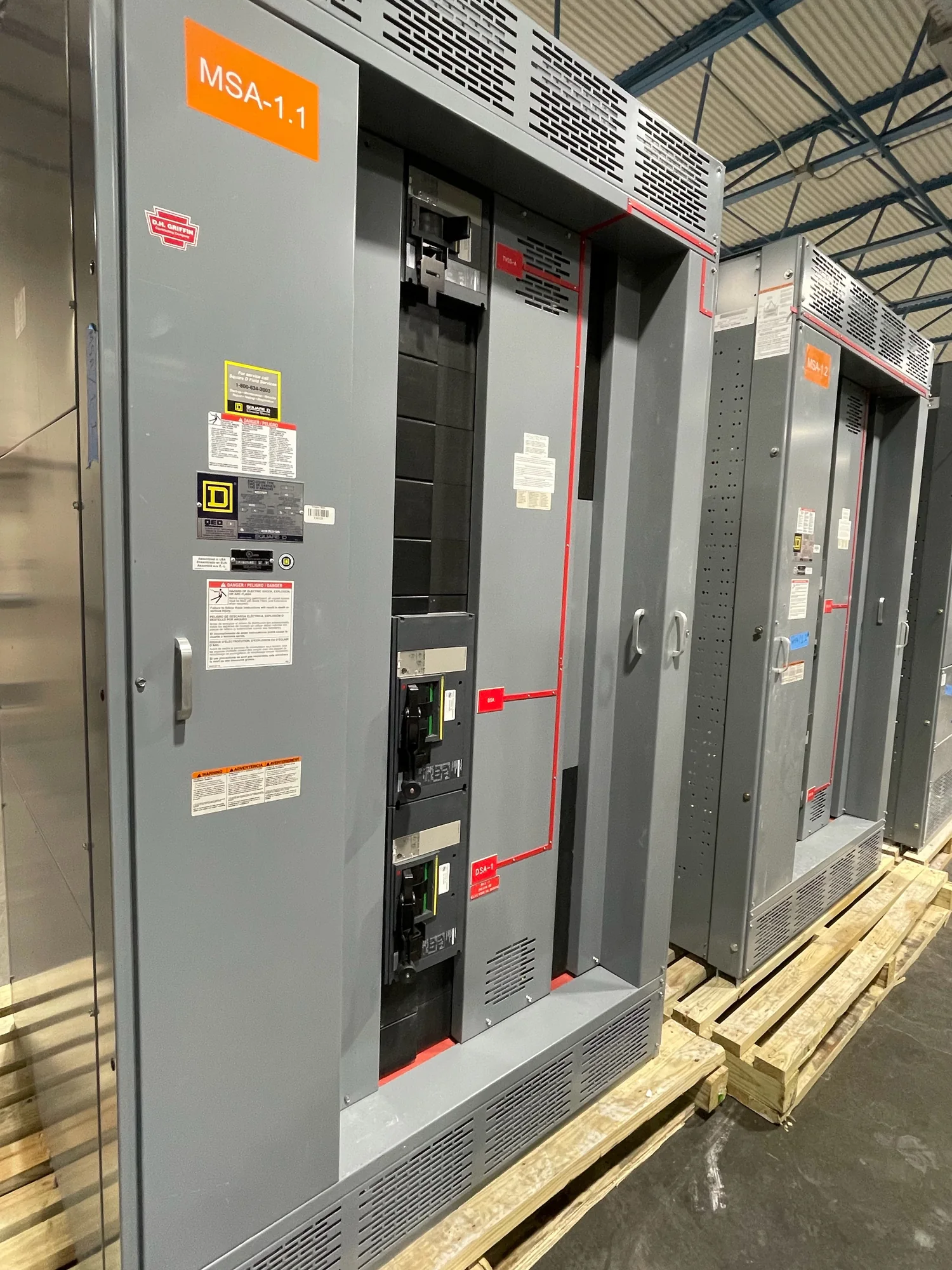
A nameplate should help a qualified person identify the assembly and find the information needed for the task at hand. Typical project inputs may include equipment designation, lineup or section identification, circuit or feeder name, source and load descriptions, and electrical characteristics required by the specification. The responsible engineering team determines which ratings and warnings apply, based on the equipment design, system conditions and applicable codes. Keep text concise enough to read in the installed location, and use consistent abbreviations that match drawings and operating procedures. Consider viewing distance, lighting, likely obstructions, cleaning methods and the environment when reviewing legibility and placement. Confirm who supplies the final wording and who approves it; names copied from an early one-line may no longer match after coordination changes. Labels should not substitute for required safety procedures or engineering judgment. During document review, compare proposed plate content against the current equipment schedule and drawings, and resolve discrepancies before the information is released for production.
| System | Voltage, phase, current and available fault current |
|---|---|
| Configuration | Lineup, protection, controls and enclosure as specified |
| Compliance | Applicable standards and listing confirmed for the assembly |
| Delivery | California and nationwide; schedule confirmed by quote |
Coordinate terminal and device markings with drawings
Terminal markings connect field work to the control and wiring documents, so consistency matters more than any single numbering scheme. Establish how terminal blocks, devices, conductors and external connections will be identified, and ensure the scheme aligns with the project’s control diagrams and wiring practices. Pay particular attention to interfaces between switchgear and remote equipment, including customer-provided signals, interlocks, communications and auxiliary power. Identify the connection point, signal purpose and relevant drawing reference clearly enough that a technician can trace the circuit without guessing. When revisions change a device tag, contact assignment or terminal number, update every affected drawing and label schedule together. A cross-reference matrix can help reviewers check that schematic identifiers, wire references, terminal plans and physical markings agree. Project teams should also define how spare terminals and unused contacts are shown, avoiding assumptions about their future use. Qualified professionals must verify the design and safe work requirements; markings aid identification but do not establish that a circuit is de-energized.

Review drawings against the equipment as built
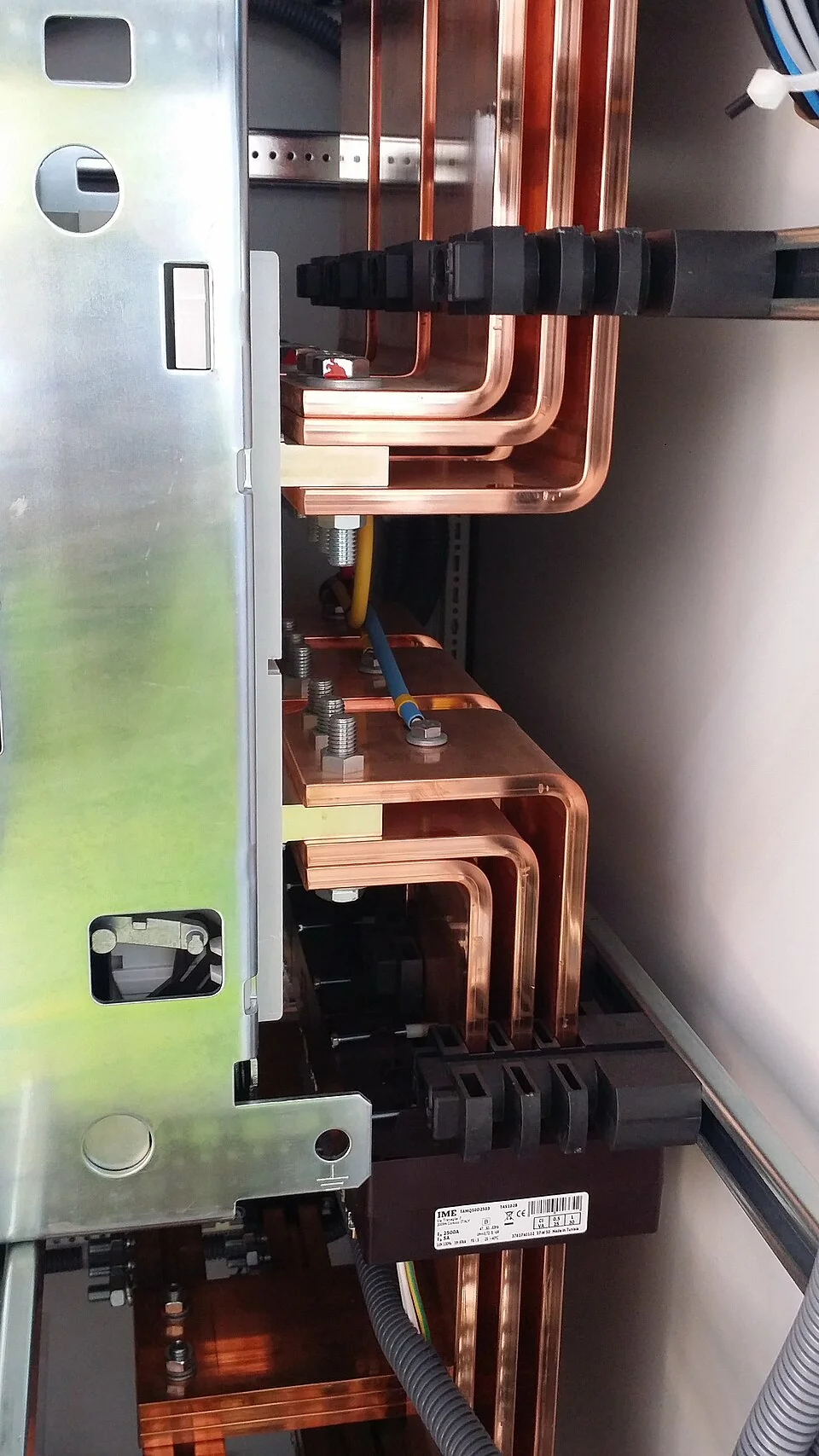
Final drawings should document the delivered configuration, not merely reproduce the design intent from an earlier approval set. A practical review checks the one-line against installed devices and circuit designations, then follows control schematics, wiring diagrams, terminal plans and connection details through the interfaces. Confirm that revisions capture approved changes made during engineering and fabrication, including component substitutions where applicable, wiring adjustments and clarified field connections. Make sure drawing numbers, revision identifiers and equipment tags agree with the physical assembly and document index. If project requirements call for a specific record set, confirm its contents and formats before handover rather than assuming a standard package. Reviewers should flag unresolved discrepancies and assign them for correction before documents are treated as final. Where installation work later changes connections or equipment configuration, the owner’s document-control process should preserve a clear revision history and establish who updates the records. Accurate records support troubleshooting and planning, but they do not replace inspection, testing or the site’s approved operating procedures.
Build handover around long-term maintenance
A useful handover package makes information easy to locate years after commissioning. Provide an organized index that relates equipment identifiers to the applicable drawings, schedules and revisions, and use filenames that remain understandable outside the original project team. Coordinate electronic delivery requirements, editable source files where specified, and any requested printed copies with the buyer and project documentation lead. Before closeout, verify that the delivered files open, pages are complete and revision status is apparent; remove superseded sheets from the final set or clearly mark their status according to the agreed document process. Ask the owner to identify records that should be retained with operating procedures or asset-management systems. For future changes, maintenance personnel should record field modifications through the owner’s review and approval process, then update affected labels and drawings together. This discipline reduces uncertainty during troubleshooting, expansions and replacement planning. Share the required naming rules, approval milestones and handover expectations early so the manufacturer, contractor and owner can coordinate a dependable record set.