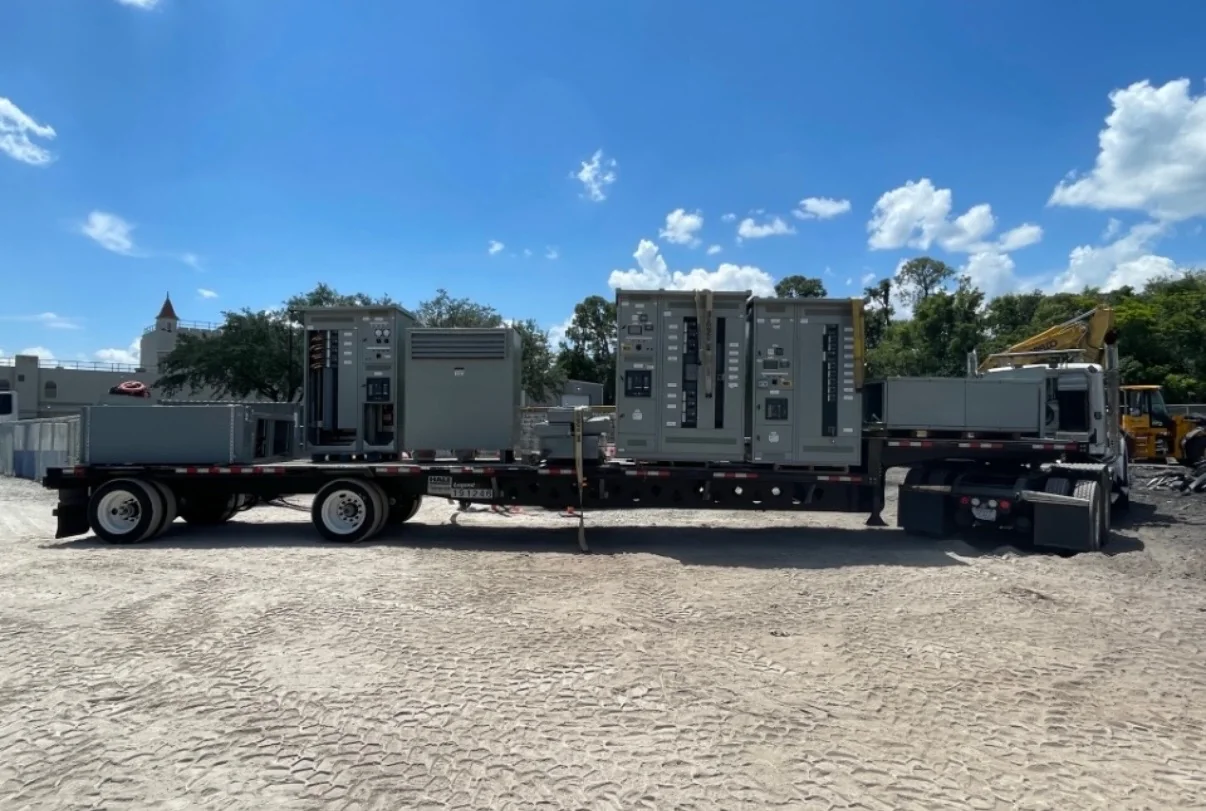
Establish the Project Seismic Criteria
Seismic coordination begins with the building and the equipment’s intended role, not with a generic claim that a lineup is earthquake ready. Ask the project design team to identify the adopted building code and applicable editions of referenced standards, including ASCE 7 where required. For California work, confirm state and local amendments and any facility-specific requirements with the authority having jurisdiction. Projects elsewhere may follow different adopted editions or local provisions. The engineer of record should provide the seismic design category, applicable spectral acceleration parameters, installation elevation and component importance factor, along with any project-specific demands. Also establish whether the goal is restraint against displacement or continued operation after the design earthquake; those expectations are not interchangeable. A roof installation, an elevated electrical room and a ground-supported installation can present different conditions. Put the agreed criteria in the request for quotation so that the equipment arrangement and documentation can be evaluated against the same design basis.
Define the Equipment Before Requesting a Quote
A useful request for new switchgear includes the single-line diagram, voltage and current ratings, available fault duty, lineup configuration and the proposed installation location. Identify the number of sections, major internal devices, enclosure arrangement and any expected future additions. Changes to these details can affect both the weight distribution and the relevance of seismic evidence for a particular assembly. Describe cable entry, busway connections, access clearances and shipping splits so their interfaces can be considered alongside the equipment footprint. Share the structural drawings or known support conditions, the required submittals and the target construction schedule. Ask what equipment dimensions, operating weights, center-of-gravity information and mounting details will be available for the design team’s review, and when. As an American manufacturer, we build new equipment in the USA with American components and serve California customers while shipping nationwide. Confirm the proposed configuration, destination and documentation scope for each order rather than assuming every arrangement is covered.
| System | Voltage, phase, current and available fault current |
|---|---|
| Configuration | Lineup, protection, controls and enclosure as specified |
| Compliance | Applicable standards and listing confirmed for the assembly |
| Delivery | California and nationwide; schedule confirmed by quote |
Assign Anchorage and Structural Responsibilities
A sound load path runs from the switchgear frame through its mounting points and anchors into a supporting structure that can resist the transferred forces. Define who supplies equipment anchorage locations and design reactions, who designs the anchors and any supplementary steel, and who checks the slab, housekeeping pad or other supporting construction. Depending on the contract, the engineer of record or a designated specialty engineer may perform particular portions of that work; identify the responsible party rather than assuming it. For concrete anchorage, the assigned designer should verify the applicable ACI 318 provisions and seismic requirements against actual concrete strength, thickness, reinforcement, edge distances and anchor spacing. Anchor type, embedment, tension and shear interaction, and possible prying effects also matter. The installing contractor must follow the reviewed details and manufacturer instructions, while the project team determines any required special inspection. Equipment mounting data alone does not establish the adequacy of the building attachment.
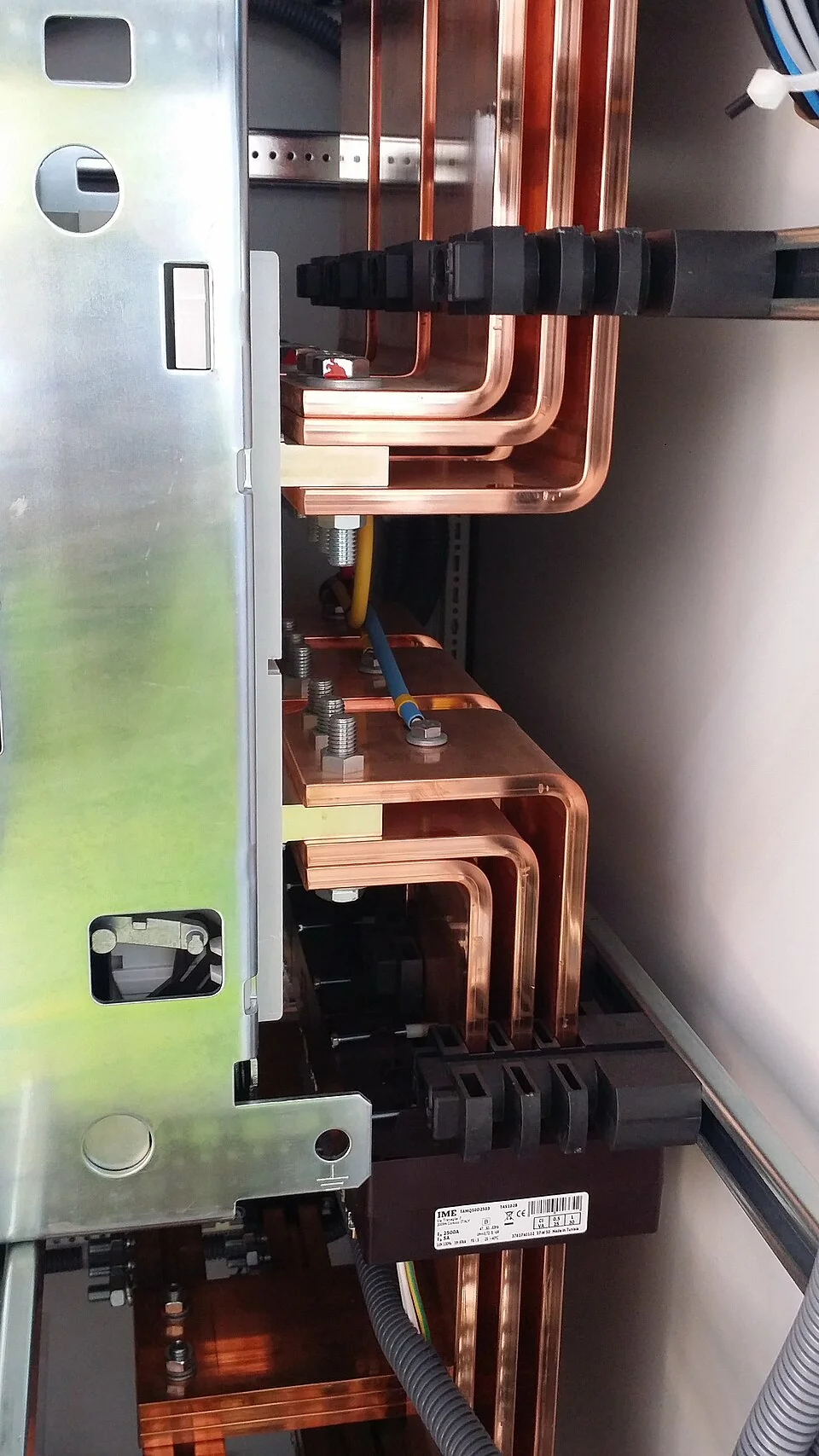

Review Qualification Evidence for the Actual Lineup
Before ordering, establish what the specifications and authority require as evidence: an engineered analysis, test report, special seismic certification or another permitted approach. Some projects require evidence that designated active equipment remains operational after the design earthquake. Ask the design team to determine whether that requirement applies and which method is acceptable under the governing code. ICC-ES AC156 addresses shake-table testing of nonstructural components; its applicable edition and scope should be checked for the project. Review the evidence against the proposed lineup, not just its product family name. Compare the tested or evaluated section sizes, device configurations, weight limits, mounting arrangement, seismic demand and functional acceptance criteria with the purchase specification. Ask whether changes in internal components or field assembly affect the evidence. A component test does not automatically validate the site anchors or the supporting structure, and AC156 does not itself evaluate relative displacement at connected systems. Resolve any gaps with the engineer and reviewing authority before fabrication.
Coordinate Submittals, Installation and Closeout
Agree on the review sequence before releasing the order. Equipment drawings should show the lineup dimensions, section weights, mounting points and connections needed by the anchorage designer. Coordinate any required calculations and seismic documentation with the electrical and structural reviewers, and determine whether the authority having jurisdiction requires a deferred submittal. Establish review milestones and fabrication release dates as project-specific schedule items, allowing time to resolve comments and confirm any changes. Connected conduit, cables and busway also need coordination: their supports and interfaces must accommodate expected movement without imposing unintended loads on the equipment. The project engineer should establish the needed movement and connection details for the installation. In the field, compare the actual support and anchor placement with reviewed drawings before setting the lineup. Document required inspections and address deviations through the responsible designer. Retain final drawings, relevant qualification evidence and inspection records with the project handover documents for future reference.