Treat Heat as a Lineup-Level Design Input
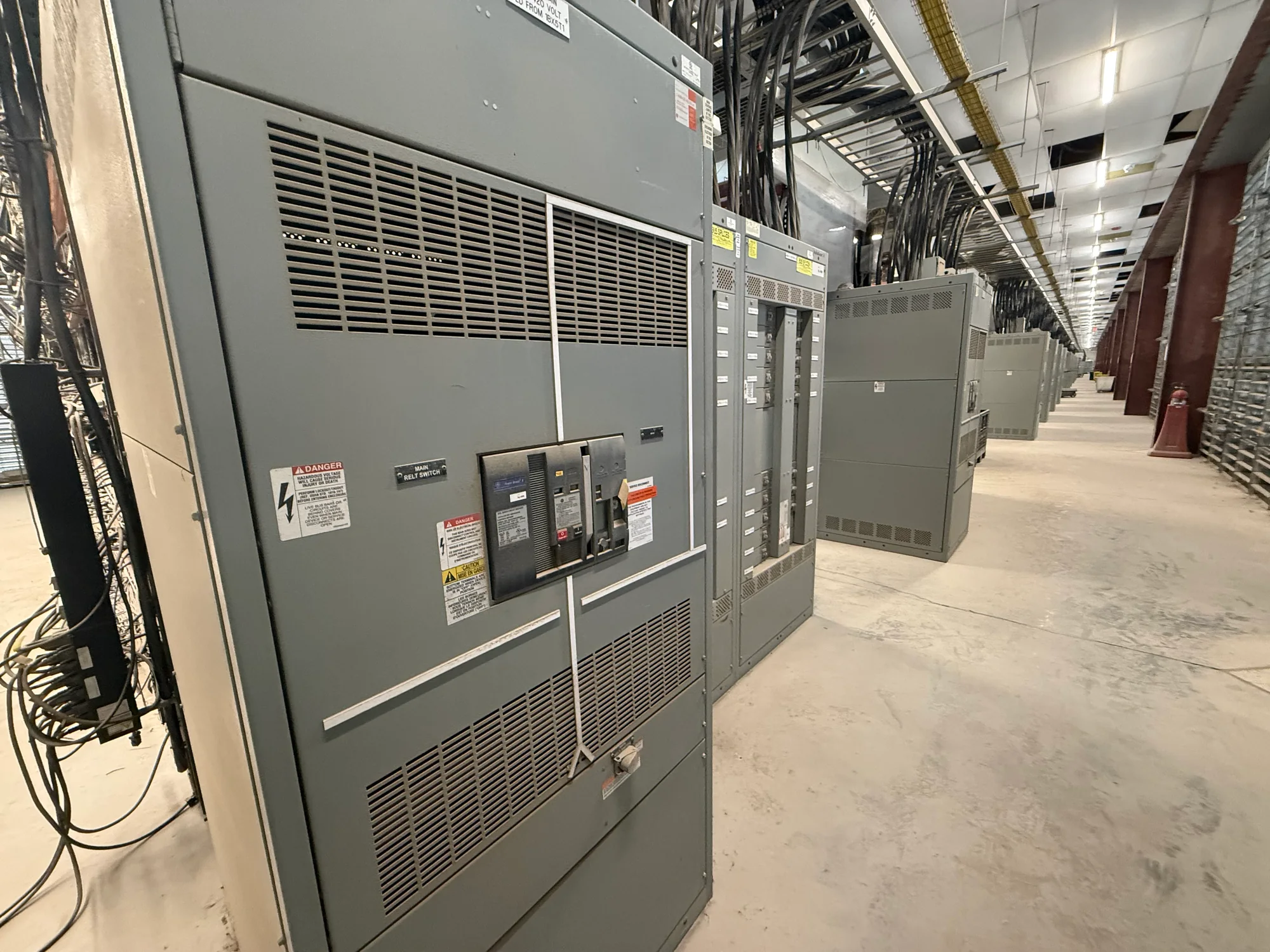
Switchgear thermal design is not simply a matter of selecting conductors for a stated current. Heat is generated throughout the lineup by bus bars, joints, breakers, fuses, transformers, control devices and other components. The enclosure affects how that heat moves and escapes, while neighboring equipment and operating conditions influence the temperature each component experiences. A sound design process therefore considers the complete assembly and its intended duty rather than evaluating each part in isolation. Start with the one-line diagram, equipment arrangement, continuous and intermittent loads, and expected operating profile. Identify components that may carry load for long periods, as well as locations where several heat sources are concentrated. These inputs help the manufacturer review spacing, component placement, conductor paths and enclosure details. Early coordination is especially valuable when the lineup has limited floor space or must fit an existing electrical room, because late layout changes can affect both thermal performance and installation clearances.
Evaluate Enclosure Airflow and Heat Escape
Airflow inside an enclosure depends on its dimensions, internal barriers, component placement, openings and installation surroundings. Natural convection can move warmer air upward, but crowded layouts, closely spaced equipment or blocked ventilation paths may restrict circulation. Openings that assist heat release also need to be assessed against project requirements for access, environmental exposure, ingress protection and personnel safety. Do not assume that adding vents is a universal remedy: the appropriate approach depends on the assembly, room conditions and required enclosure construction. Provide drawings or room information showing wall clearances, overhead obstructions, adjacent lineups and any restrictions on ventilation. Where the gear is installed in a confined electrical room, describe available room ventilation and whether other equipment contributes substantial heat. Designers can then consider the enclosure and room as a combined thermal environment. Qualified professionals must also verify that any proposed openings, barriers or cooling measures remain consistent with applicable codes and project requirements.
| System | Voltage, phase, current and available fault current |
|---|---|
| Configuration | Lineup, protection, controls and enclosure as specified |
| Compliance | Applicable standards and listing confirmed for the assembly |
| Delivery | California and nationwide; schedule confirmed by quote |
Account for Conductor Heating and Connections
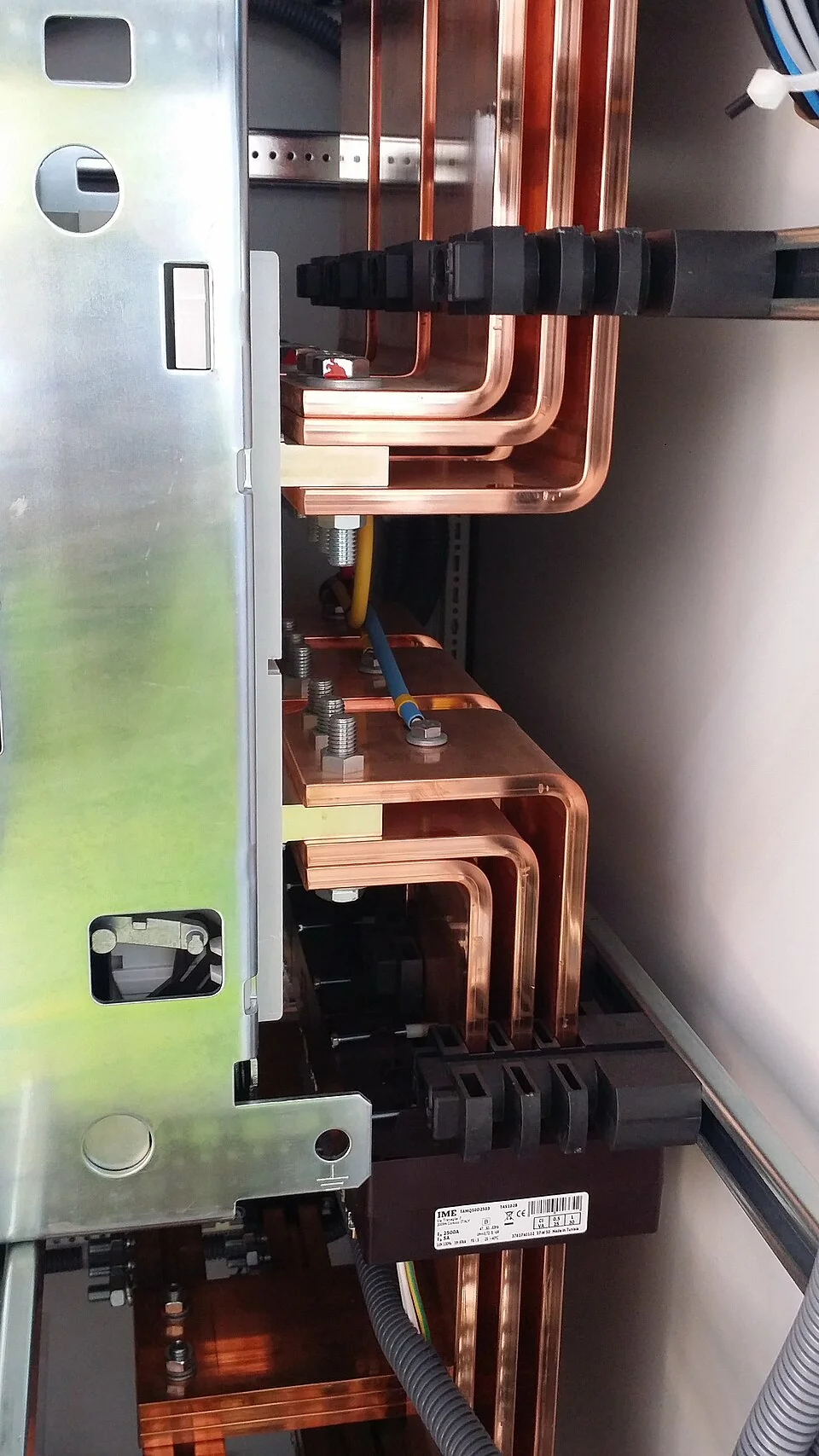
Current-carrying conductors produce heat as current passes through their electrical resistance. Conductor material, cross-sectional area, geometry, length, spacing and operating current all affect heating, as can the way conductors are supported and arranged. Bus joints and terminations deserve particular attention because connection quality, contact surfaces and mechanical assembly influence local resistance and heat concentration. A rating on an individual component does not by itself establish the thermal suitability of a complete lineup under every installation condition. Share the required current ratings, load profile, fault-duty requirements, system voltage and any project-specific conductor preferences during design review. Include expected future loading where known, rather than sizing only around initial operation. Engineers should coordinate conductor selection and protective-device settings with the system study and equipment design. Qualified professionals determine ratings and protection for each application; thermal evaluation supports that work but does not replace short-circuit, coordination or safety analysis.

Describe Ambient Conditions and Installation Duty
The surrounding environment sets the baseline from which internal temperature rise occurs. Relevant inputs include the expected ambient temperature range, altitude, sunlight exposure, dust or corrosive contaminants, humidity and the presence of nearby heat-producing equipment. Operating patterns matter too: a lineup with sustained high loading may behave differently from one with short peaks followed by extended periods at lower demand. Provide the intended indoor or outdoor location, electrical-room conditions, installation elevation and any unusual environmental constraints. If the gear will be installed near furnaces, process equipment or other heat sources, note their proximity and operating schedule. These details help establish whether standard assumptions are appropriate or whether project-specific review is needed. Avoid treating room temperature as a single number if the environment changes seasonally or during production. Confirm which environmental and thermal requirements govern the project, and identify any assumptions that must be documented in drawings, specifications or equipment submittals.
Coordinate Thermal Review Before Final Layout
A practical thermal review begins before the lineup arrangement is frozen. Send the manufacturer the one-line diagram, load data, equipment schedule, installation drawings and relevant environmental information, then identify the project engineer responsible for resolving open assumptions. Review component locations, cable-entry zones, maintenance access and future expansion needs alongside heat management; moving a breaker or revising a compartment can affect several of these concerns at once. If operating loads, room ventilation or enclosure constraints are still uncertain, document the range of conditions and request review against the expected case. When a project is schedule-sensitive, raise that early so design and delivery options can be assessed, subject to project review and confirmation. Final decisions about protection, ratings, installation and applicable codes belong to qualified professionals. Clear inputs and timely coordination help the team identify thermal concerns before fabrication and support a lineup designed around the actual application rather than an assumed environment.