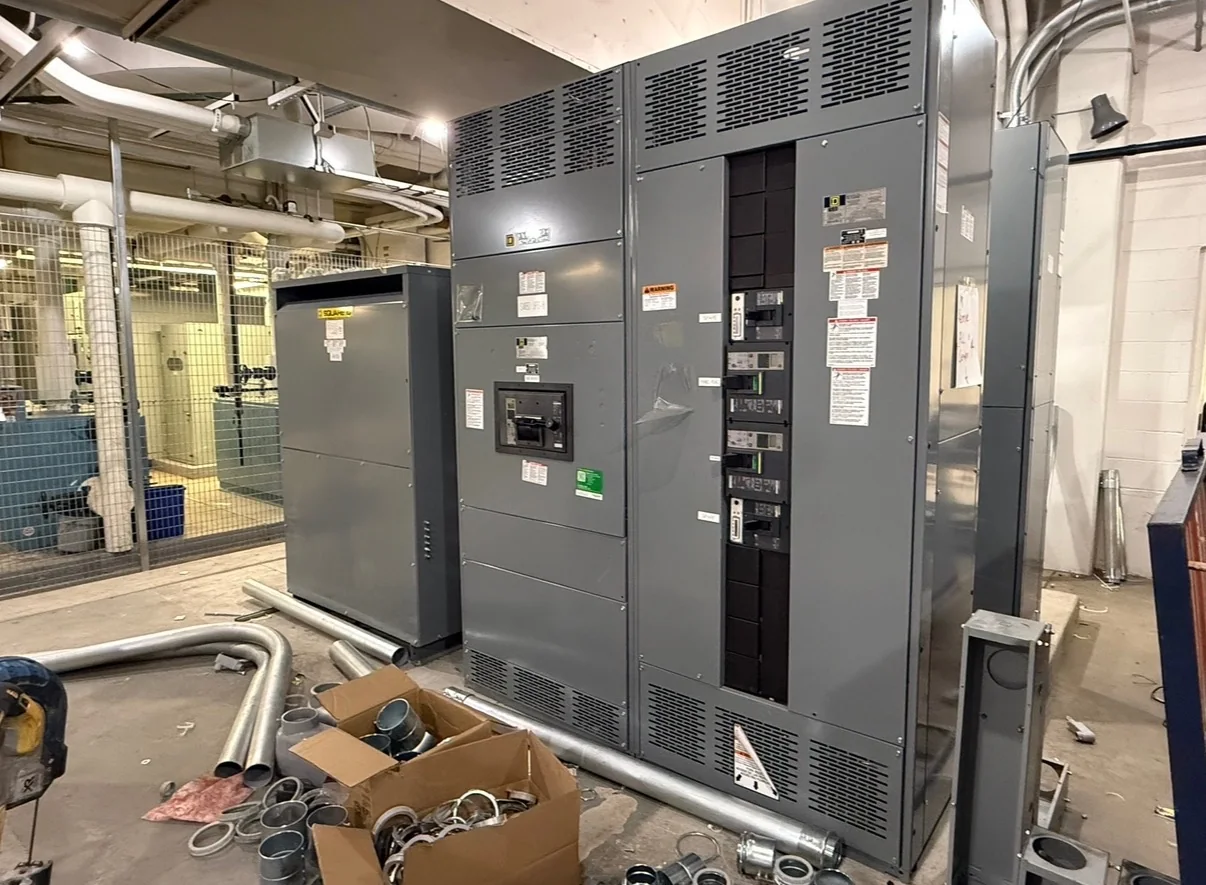
Start With the Installation Environment
The right enclosure starts with a description of the actual installation, not just a choice between indoors and outdoors. For an electrical room, identify ambient temperature, humidity, dust sources, ventilation, cleaning practices and any nearby process equipment that could release contaminants. An enclosure under a roof or canopy may still be exposed to wind-driven rain or moisture entering from adjacent areas. Outdoors, consider solar heating, rain, coastal salt, airborne dust and the potential for standing water at the proposed elevation. California projects may also have site-specific seismic or wildfire-related requirements that the design team should identify rather than assume. Provide a site plan, photographs when available, expected environmental extremes and the location of doors, drains and nearby structures. Explain whether the gear will operate continuously or experience seasonal shutdowns. These details help the engineering team distinguish ordinary protection needs from conditions that may require a different enclosure, finish or installation arrangement.
Select and Verify Environmental Protection
Enclosure type selection should follow the exposure and the project's applicable standards, not a generic promise of weatherproof construction. For example, a NEMA Type 3R enclosure is intended for outdoor conditions including rain, sleet and external ice formation, while Type 4X addresses additional exposure such as hose-directed water and corrosion. The project team should review the full criteria before selecting either type; one designation is not a substitute for evaluating chemicals, flooding or every possible hazard. An IP designation describes protection against specified solid-object and water ingress tests, but it is not directly interchangeable with a NEMA type. Ask what documentation supports the proposed enclosure and completed assembly for the required use. Check how louvers, cable entries, door hardware and field-installed accessories affect the intended protection. Have the electrical designer and the authority having jurisdiction verify applicable code and acceptance requirements, including any installation conditions attached to the selected equipment.
| System | Voltage, phase, current and available fault current |
|---|---|
| Configuration | Lineup, protection, controls and enclosure as specified |
| Compliance | Applicable standards and listing confirmed for the assembly |
| Delivery | California and nationwide; schedule confirmed by quote |
Coordinate Construction, Access and Cable Entry
Enclosure construction has to fit both the equipment inside and the people who will install and maintain it. Review frame and panel materials, thickness, corrosion-resistant finishes, gasket construction and hardware against the actual exposure. Stainless steel or a suitable coated material may be worth evaluating in a corrosive setting, but material choice alone does not establish an enclosure rating. Establish the available footprint and height, door swing, access to terminals and removable devices, and any rear-access requirements. The project electrical designer should confirm required working clearances and safe access under the applicable code. For top or bottom entry, coordinate conduit locations, cable bending space, gland plates and sealing methods before fabrication. Outdoor entries need particular attention to water paths so that a penetration does not undermine the enclosure's intended protection. Coordinate the mounting surface and anchorage with the structural design, and confirm permitted lifting points, shipping splits and reassembly interfaces.
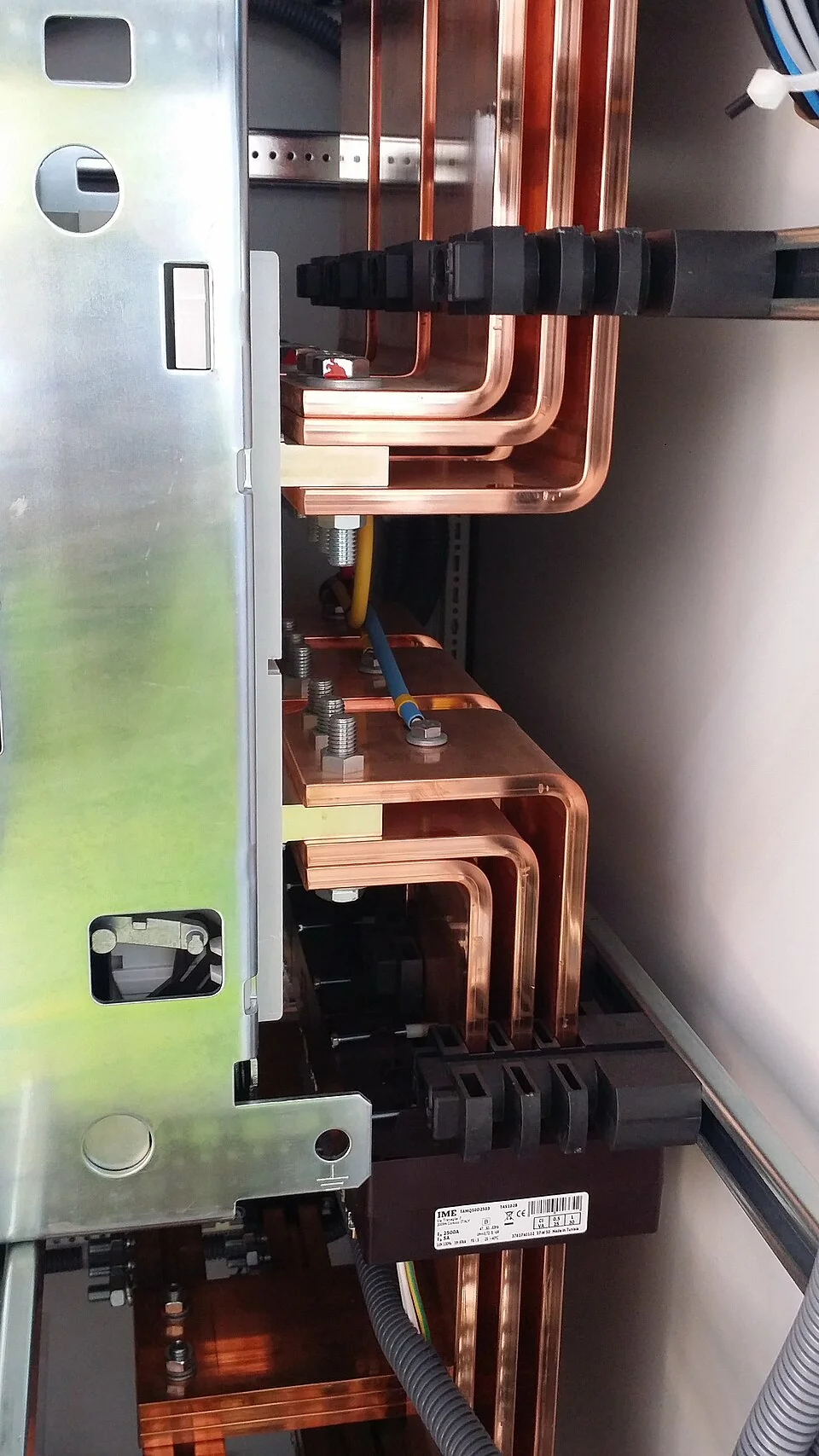

Balance Cooling With Moisture Control
A more tightly protected enclosure can retain heat, so environmental protection and thermal performance must be reviewed together. Share the expected maximum and minimum ambient temperatures, altitude, load profile and anticipated heat-producing devices with the engineering team. For outdoor installations, include direct sunlight and other nearby heat sources rather than relying only on shaded air temperature. The design must account for the equipment's operating limits and temperature-rise requirements under the applicable standard and manufacturer instructions. Depending on the application, ventilation, filtered air, heat exchangers or other cooling approaches may be considered, provided the complete arrangement maintains the required environmental protection. Condensation can also occur as temperatures change, even where rain cannot enter directly. Space heaters or other moisture-control measures may be appropriate after evaluating available control power and operating conditions. Review filter access, maintenance intervals and the consequences of lost auxiliary power, and avoid unreviewed field modifications that could affect protection or cooling.
Prepare the Enclosure Review and Purchase
A useful quote request connects the electrical requirements to the physical site. Provide the single-line diagram, equipment and load schedules, environmental specification, cable routing, available installation dimensions and required enclosure designation. Identify the responsible parties for the foundation, anchorage, penetrations and field connections. If a new lineup must connect to customer-owned equipment, supply verified interface dimensions and ratings without assuming that the existing equipment can accept the proposed connection. Request drawings showing overall dimensions, access zones, cable entry areas, enclosure materials and finish, along with the protection and thermal information needed for review. Confirm the standards, documentation and any inspection or witness requirements for the particular project before authorizing fabrication. Our new switchgear is manufactured in the USA with American components, serving California projects and shipping nationwide subject to project arrangements. Discuss drawing approvals, critical components, freight constraints and the requested schedule early; final timing depends on the reviewed scope and coordination.