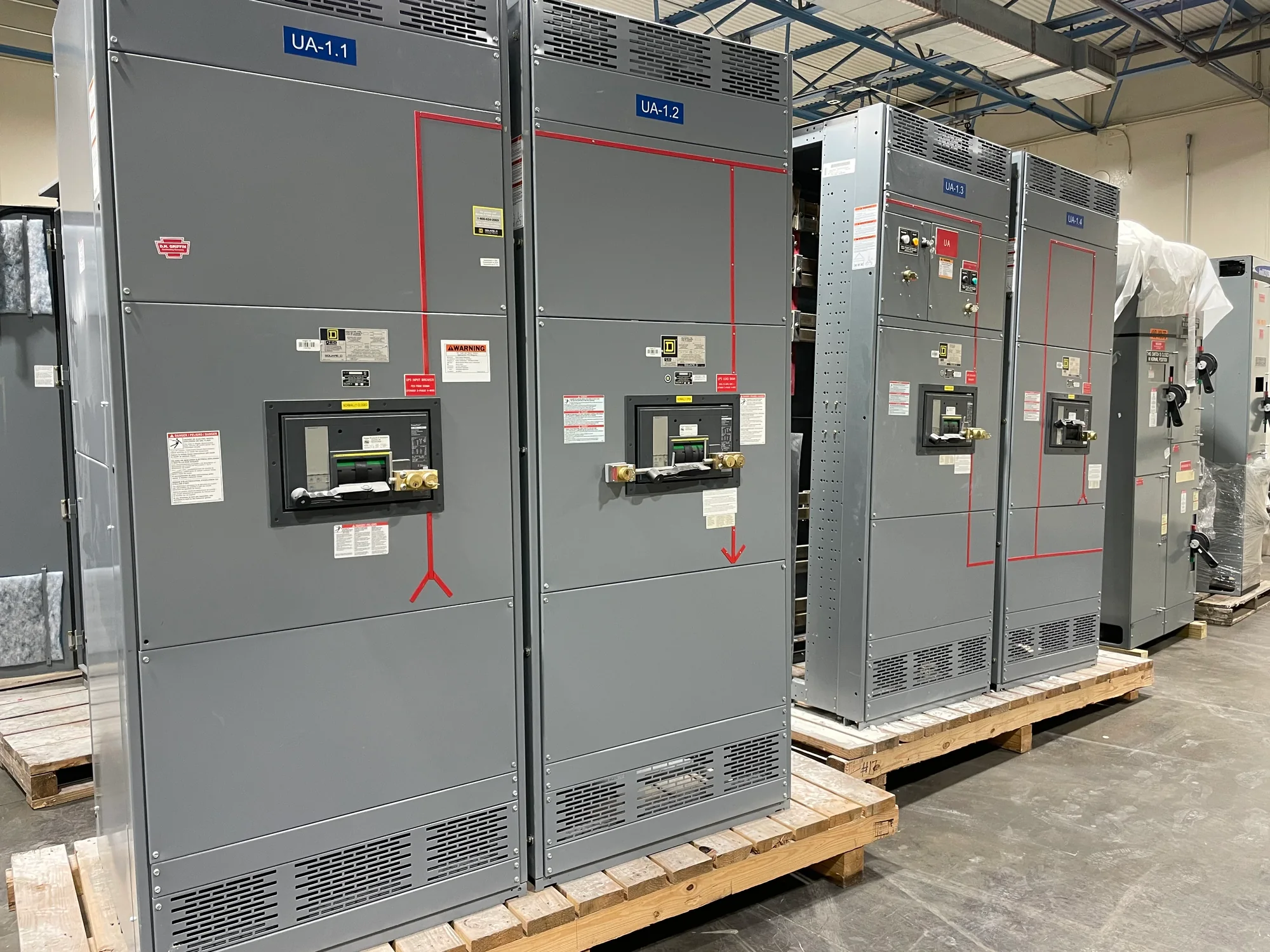
Plan Around Santa Ana Site Conditions
Santa Ana projects can involve active commercial properties, constrained loading areas, limited staging space, and access shared with tenants, customers, or other trades. These conditions matter when planning delivery of new switchgear: a truck route that works on paper may not fit the site’s turning geometry, overhead clearance, loading dock, or designated receiving hours. Share the project address, site contact, delivery restrictions, and any known access limitations during early coordination. If the equipment must pass through a building, provide doorway and corridor dimensions, floor-loading limits, elevator details, and the intended movement path. The project team can review these inputs alongside the equipment scope and discuss practical logistics. Confirm site conditions directly with the property manager and installation contractor; access rules and construction conditions can change. Early review helps identify questions before equipment is ready to ship, rather than discovering a constraint at the curb.
Coordinate Commercial Distribution Requirements
Commercial distribution needs vary with the facility, utility arrangement, loads served, and plans for future expansion. To develop an appropriate equipment scope, provide available one-line diagrams, load information, system voltage, fault-current data, protective-device requirements, and the intended connection points. Identify whether the work supports a new service, a tenant improvement, a building expansion, or replacement of existing equipment. Note operating priorities such as phased construction, planned outages, continuity requirements, and space reserved for future circuits. These details help engineers and contractors evaluate how the switchgear relates to upstream and downstream equipment, protection coordination, metering, and the installation sequence. Qualified professionals must determine ratings, protection, and applicable codes for the specific project. If drawings or utility requirements are still developing, flag assumptions clearly and identify who will confirm them. Resolving open items early can reduce avoidable redesign and help the site team prepare for installation.
| System | Voltage, phase, current and available fault current |
|---|---|
| Configuration | Lineup, protection, controls and enclosure as specified |
| Compliance | Applicable standards and listing confirmed for the assembly |
| Delivery | California and nationwide; schedule confirmed by quote |
Make Receiving and Staging Decisions Early
A workable receiving plan should account for who can accept the shipment, where it will be unloaded, and how the equipment will move from that point to its final location. Confirm receiving hours, appointment procedures, security check-in, required documentation, and whether a loading dock or ground-level unloading area is available. Determine whether the site can accept the full shipment at once or needs a coordinated sequence, and whether secure, weather-protected staging is possible. For tight urban sites, temporary street or curb access may involve property, contractor, or local approvals; establish responsibility for those arrangements before delivery is scheduled. Discuss available unloading equipment, handling limits, and the roles of the carrier, rigging contractor, and electrical contractor. Do not assume a standard truck or lift plan will suit every site. A site-specific receiving plan gives each party a clear handoff and helps protect equipment while keeping other work and public access in mind.
Align Delivery With Installation and Outages
Delivery is only one milestone in a switchgear project. Coordinate it with foundation readiness, conduit and cable work, room access, rigging, inspection steps, and the installation crew’s availability. Confirm that the equipment room is complete enough to receive the assembly, with clear access and any required environmental or housekeeping conditions addressed by the responsible project team. If the work involves replacing existing distribution equipment, map the outage sequence and temporary-power approach with the facility operator and qualified electrical professionals. Protect critical loads and verify the approved switching and commissioning plan before work proceeds. Where construction is phased, identify which sections or areas must remain operational and how access will be controlled. Schedule-sensitive or expedited options may be considered when project conditions warrant, but feasibility and timing require project review and cannot be assumed. A shared milestone schedule helps contractors, owners, and suppliers surface conflicts before they affect the site.
Confirm Scope, Coverage, and Next Steps
Switchgear Builder California supplies new equipment built in the USA with American components and serves customers in Santa Ana and across the country. Project coverage, equipment scope, delivery arrangements, and support needs should be confirmed for the specific order and site; transportation or access conditions can affect what is practical. To begin a useful review, send the project location, equipment type, preliminary specifications, drawings, required delivery window, and the best technical and receiving contacts. Include any known utility criteria, site rules, unloading limitations, and construction milestones. The team can review the information, identify missing decisions, and coordinate the next steps with the customer and project stakeholders. Confirm equipment requirements and applicable standards for the particular assembly; standards vary by equipment type and do not by themselves establish third-party listing or approval. This early exchange gives Santa Ana buyers and contractors a concrete basis for evaluating scope and logistics before committing to a delivery plan.