Plan Sacramento Switchgear Needs Around the Project
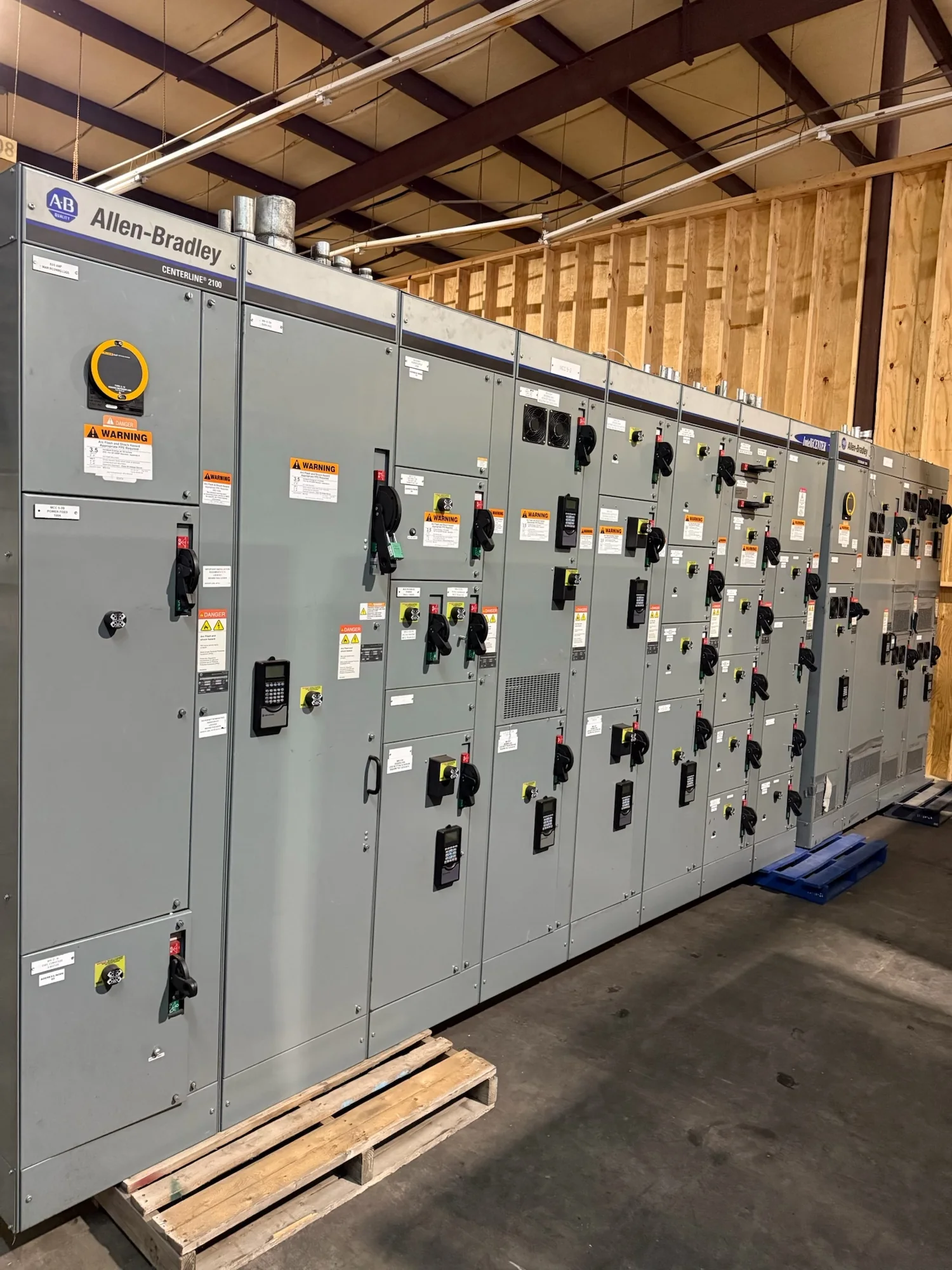
Switchgear projects in Sacramento begin with a clear picture of the electrical system, project phase and operating priorities. Share the one-line diagram, equipment specifications, load information, available fault-current data and the intended application. Identify whether the scope involves a low-voltage switchboard, medium-voltage equipment or another assembly; each has different design inputs and applicable standards to verify. Include the project address, installation environment, target in-service date and any constraints tied to an existing facility or construction sequence. These details help determine what information is still needed before equipment design and delivery planning can advance. Switchgear Builder California builds new equipment in the USA with American components and supplies customers in California and nationwide. Coverage, equipment fit and logistics are confirmed for each project rather than assumed from a service-area label. Early discussion can also surface interface questions among the electrical engineer, contractor, owner and utility before they become field delays.
Confirm Delivery Access Before Equipment Ships
A delivery plan should account for the route from the receiving point to the final installation location, not just the address on a shipping document. Review gate dimensions, turning space, overhead clearances, pavement or floor capacity, unloading equipment and any restrictions on delivery hours. For a Sacramento site in a dense commercial area, active campus or occupied facility, coordinate truck staging and access with the property manager and general contractor. Establish who will receive the shipment, inspect it, manage documentation and direct movement into the building. If the equipment must pass through doors, corridors or loading areas, compare those clearances with the approved equipment dimensions and handling plan well before dispatch. Discuss any need for special rigging, a crane, escorts or staged delivery as project requirements to be reviewed; do not assume these arrangements are included. A site walk, photographs, measured access information and a named field contact can make logistics review more useful and reduce avoidable surprises.
| System | Voltage, phase, current and available fault current |
|---|---|
| Configuration | Lineup, protection, controls and enclosure as specified |
| Compliance | Applicable standards and listing confirmed for the assembly |
| Delivery | California and nationwide; schedule confirmed by quote |
Coordinate the Schedule with Installation Milestones
Switchgear delivery dates need to fit the full construction sequence. Map equipment design and approval milestones against foundations, conduit, cable readiness, room completion, utility work, testing and planned energization. Identify decision deadlines for drawings, ratings, control requirements and any owner or engineer review, since late changes may affect both equipment details and downstream installation work. Keep the contractor, electrical engineer, commissioning team and owner aligned on which party is responsible for each approval and field interface. Schedule-sensitive or expedited options may be considered after project requirements and capacity are reviewed, but timing should be confirmed for the specific order rather than presumed. Build reasonable contingency into plans for access restrictions, inspections, weather exposure or coordination with other trades. If the project has a fixed outage or turnover date, communicate it early and distinguish contractual milestones from preferred targets. A realistic schedule discussion helps the team identify risks while there is still room to adjust sequencing.
Align Utility Interfaces and Electrical Requirements
Serving-utility coordination is a project-specific engineering task, not a substitute for equipment design review. Confirm the utility’s service arrangement, connection point, available fault-current information, metering requirements and any required interface details with the utility and the project’s qualified electrical professionals. Verify who will submit documents, obtain utility comments, arrange inspections and coordinate cutover or energization. For projects involving utility-owned equipment or work in a utility-controlled area, clarify boundaries of ownership, access permissions and responsibilities before field activity is scheduled. Protection settings, interrupting ratings, voltage ratings, grounding and applicable codes must be determined by qualified professionals for the actual installation. Applicable standards also depend on equipment type; UL 891 applies to low-voltage switchboards where applicable, and its relevance should not be extended to medium- or high-voltage equipment. Ask the utility and design team to identify the standards and project criteria that apply to each specific assembly, then resolve any open interface questions before release or installation.
Prepare a Practical Project Handoff
Before delivery planning is finalized, assemble a concise project package: approved equipment documents, current site and access information, delivery contact details, receiving and storage instructions, installation sequence, utility coordination status and a list of unresolved decisions. Confirm whether the equipment will be installed promptly or stored, and agree on suitable protection from moisture, dust, impact and unauthorized access. At receipt, the responsible site team should compare shipment identification and visible condition with the shipping documents, record any concerns and follow the agreed process for reporting them. Keep installation, inspection, testing and energization responsibilities explicit; these activities belong to qualified project personnel and must follow applicable requirements. Sacramento service coverage and particular delivery logistics should be confirmed against the project address, equipment scope and schedule. Provide those details when requesting a project review, along with drawings and the desired milestones. A focused handoff gives the manufacturer and field team a common basis for coordinating next steps without treating delivery as the end of project planning.