Planning Switchgear Delivery to San Jose
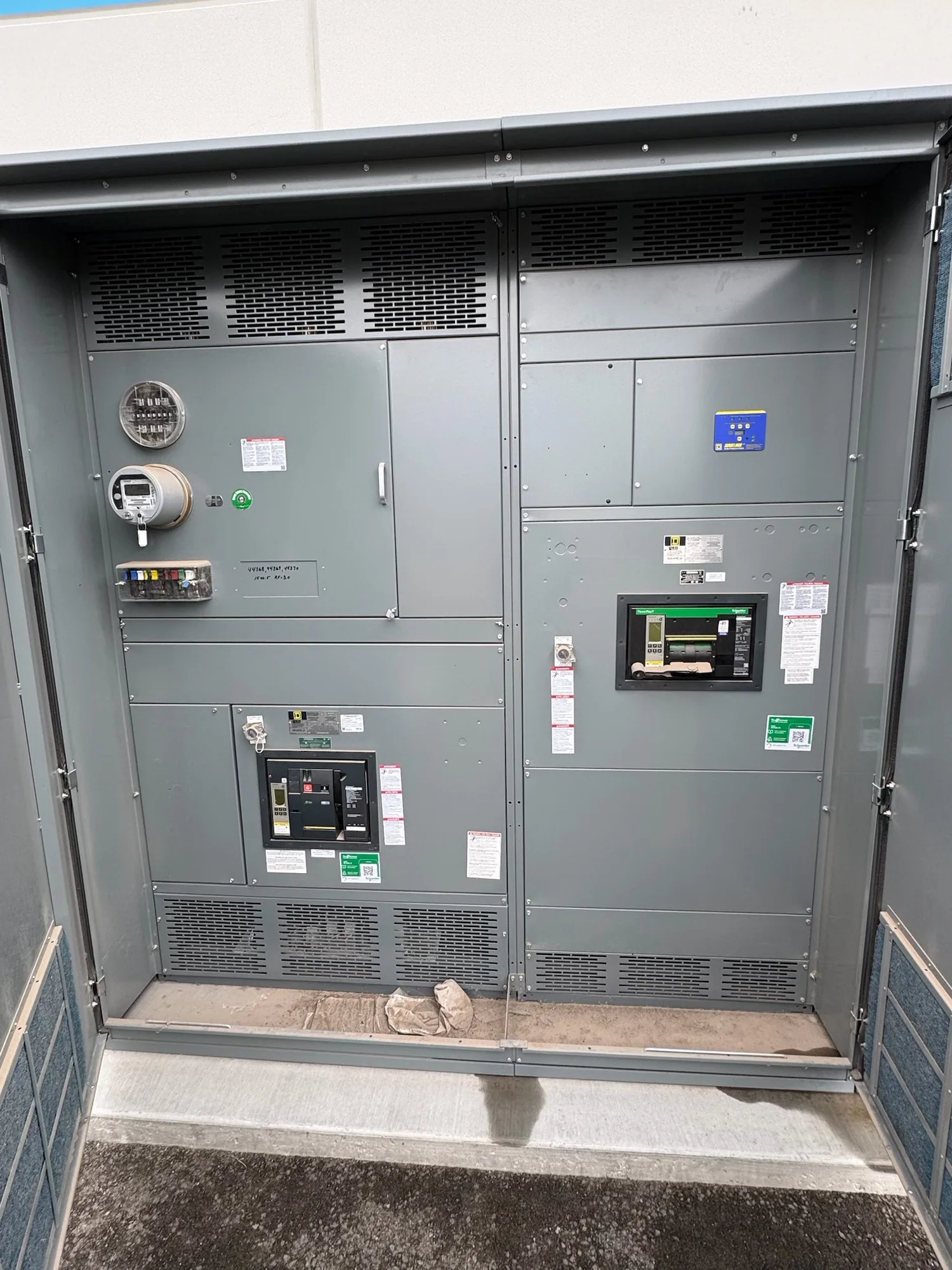
Switchgear Builder California supplies new switchgear to customers in San Jose and can review delivery and project-support needs for facilities across the area. Each project begins with the equipment scope: system voltage, configuration, required ratings, incoming and outgoing connections, and the intended installation location. Those details help establish whether the proposed equipment and delivery approach suit the project; they are not a substitute for engineering review. Share the project address, requested delivery window, receiving contact, and any constraints that could affect transport or unloading. Coverage, equipment requirements, and logistics should be confirmed for the specific order before commitments are made. Nationwide shipping may be available, subject to project review and practical arrangements. Early coordination gives the project team time to identify questions, align responsibilities, and avoid treating a delivery date as confirmed before scope, site readiness, and transport details have been assessed.
Coordinate Access, Unloading, and Staging
San Jose sites can differ substantially in their access, even when they are only a short distance apart. Before delivery planning is finalized, determine vehicle access, gate and turning restrictions, overhead clearance, dock or laydown availability, and the route from receiving point to the equipment room. Confirm who will provide unloading equipment, rigging, qualified operators, and any required escorts or site approvals. A switchgear lineup may arrive in sections or packages depending on its design and transport plan, so establish how each piece will be identified, inspected, and moved to its designated position. Check floor capacity, doorway dimensions, corridor turns, and temporary obstructions with the responsible site and engineering personnel. These practical details help prevent a truck arriving before the site can receive the shipment or equipment being staged where it interferes with other trades. Document constraints and confirm the final plan with the project team and carrier.
| System | Voltage, phase, current and available fault current |
|---|---|
| Configuration | Lineup, protection, controls and enclosure as specified |
| Compliance | Applicable standards and listing confirmed for the assembly |
| Delivery | California and nationwide; schedule confirmed by quote |
Sequence Work Around High-Uptime Operations
For data centers, healthcare facilities, research environments, and other operations where continuity matters, delivery is one part of a larger outage and installation plan. Coordinate equipment arrival with the approved work sequence, site access windows, electrical shutdown requirements, and readiness of the receiving space. Identify dependencies such as foundations, conduits, cable routes, temporary power, protection settings, and interfaces with existing distribution equipment. Qualified professionals must determine safe work practices, protection coordination, system ratings, and applicable code requirements for the installation. A delivery plan cannot establish that a facility can remain energized during a particular activity; that decision belongs to the project’s responsible electrical and operations teams. Consider inspection and storage needs if equipment must wait before installation, including protection from moisture, dust, impact, and unauthorized access. When schedule-sensitive or expedited options are important, raise them early. Feasibility and timing remain subject to review of scope, manufacturing status, transport, and site conditions.
Define Project Support and Technical Inputs
Useful support starts with a well-defined package of project information. Provide one-line diagrams, equipment schedules, load and fault-current data, system voltage, desired arrangement, connection details, and any space or access limitations. Include the applicable project specifications and identify governing standards that the project team expects to address. Requirements and ratings must be reviewed for the particular equipment and application; no general location description establishes that a configuration is suitable. For medium- or high-voltage equipment, identify the standards applicable to that specific equipment and verify them with the responsible engineer. For low-voltage switchboards, determine whether UL 891 applies to the project’s specified assembly; that reference alone does not establish a third-party listing. Flag interfaces with existing gear, controls, metering, or protective devices so they can be reviewed rather than left to field interpretation. A clear document set supports focused technical questions and helps align equipment scope with installation planning.
Confirm Coverage and Delivery Arrangements
Before relying on a San Jose delivery plan, confirm the project address, equipment scope, required delivery date, receiving hours, unloading method, and the people authorized to accept the shipment. Ask how packaging, section identification, shipping documentation, inspection, and damage reporting will be handled. Clarify whether the delivery is to a jobsite, a controlled receiving area, or another approved destination, and who coordinates onward movement. If construction access, security procedures, traffic controls, or restricted delivery windows apply, share those requirements early so logistics can be reviewed. California customers and projects elsewhere may be served, but coverage, shipping arrangements, and support depend on the specific project and must be confirmed. Keep the equipment schedule and site plan current as design or construction conditions change. The practical next step is to submit the project documents and logistics constraints for review, then resolve open technical and delivery questions before treating scope or timing as settled.