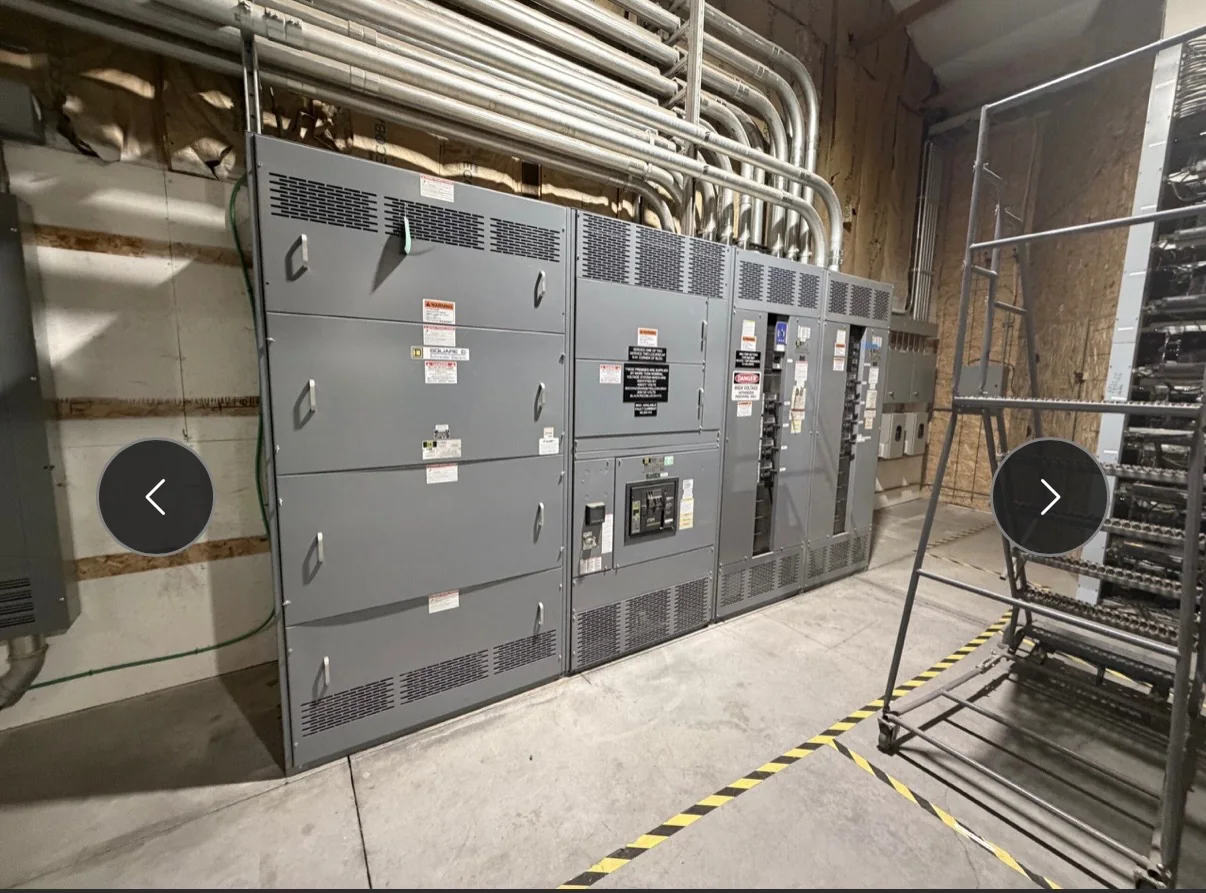
Plan Fresno Coverage Around the Project
Switchgear Builder California supplies new switchgear to customers in Fresno and supports project planning for sites throughout the Central Valley. The right equipment and delivery approach depend on the application, electrical design, schedule, and site access—not simply the destination city. Share the project location, equipment type, service requirements, and anticipated decision or delivery milestones so coverage and logistics can be reviewed against the actual scope. For projects with several buildings, phased construction, or an operating facility, identify which areas are ready to receive equipment and whether deliveries need to align with installation sequencing. Early coordination helps clarify what information is still needed and whether schedule-sensitive options may merit review; timing remains subject to project requirements and confirmation. California customers can discuss their needs with the manufacturer, and nationwide shipping may be arranged where appropriate. Confirming the scope, destination, and delivery conditions before equipment planning advances gives engineers, contractors, and buyers a clearer basis for next steps.
Account for Central Valley Site Conditions
Fresno-area projects may involve hot, dry weather, dust, agricultural surroundings, or construction activity that affects receiving and installation. These conditions should inform the project specification and site-preparation plan, rather than prompt assumptions about a particular equipment configuration. The design team should identify the intended indoor or outdoor location, enclosure requirements, ventilation or cooling approach, environmental exposure, and any applicable temperature or other operating conditions. Engineers and qualified professionals determine the required ratings and protection for the specific installation. Also consider whether equipment will be staged outside, how long it may remain there, and what protection is available against dust, moisture, or accidental damage. A clean, secure receiving area and a clear path to the final position can reduce avoidable handling risks. Share relevant environmental and installation details during project review so equipment requirements can be evaluated before the order and delivery plan are finalized.
| System | Voltage, phase, current and available fault current |
|---|---|
| Configuration | Lineup, protection, controls and enclosure as specified |
| Compliance | Applicable standards and listing confirmed for the assembly |
| Delivery | California and nationwide; schedule confirmed by quote |
Review Summer Ambient Temperatures
Summer heat deserves explicit attention in Fresno switchgear planning. Ambient temperature at the equipment location, nearby heat sources, solar exposure, airflow, and room cooling can all affect design decisions and operating conditions. A weather forecast or regional average does not establish the temperature the equipment will experience inside an electrical room or enclosure. Provide the project’s specified ambient conditions and explain whether the equipment will be in a conditioned interior, an unconditioned space, or an outdoor installation. Include relevant elevation, ventilation, and loading information where the design team considers it applicable. Qualified professionals should confirm how temperature assumptions interact with equipment ratings, conductor sizing, protective devices, and applicable codes. If room cooling or ventilation is part of the facility design, coordinate responsibility and interfaces between the electrical and mechanical teams. Resolving these questions early helps prevent late specification changes and supports a practical plan for installation and operation in the local environment.
Coordinate Freight and Receiving Access
Freight planning starts with the equipment’s shipping configuration and the conditions at the Fresno destination. Provide the complete delivery address, site contact, receiving hours, preferred delivery window, and any restrictions on truck access. Note gate clearances, road or driveway constraints, turning space, dock availability, unloading equipment, and the route from the unloading point to the final installation area. Large electrical assemblies can require careful handling; confirm who is responsible for unloading, rigging, indoor movement, and storage before dispatch is planned. If the project has limited laydown space or requires deliveries in phases, explain those constraints when requesting logistics review. A contractor, freight coordinator, and site representative should align on access and readiness, including whether the receiving area is secure and protected from weather and construction debris. Delivery arrangements and timing are confirmed for the individual project; sharing accurate site details early makes it easier to identify questions and coordinate a workable plan.
Send Project Details for a Practical Review
To begin a Fresno project review, assemble the one-line diagram, equipment schedule, electrical ratings, applicable specifications, and installation environment information available at this stage. Identify the application, project phase, required interfaces, preferred delivery window, and any constraints that could affect equipment dimensions, handling, or access. For low-voltage switchboards, state whether UL 891 applies to the project requirements; for medium- or high-voltage equipment, identify the standards applicable to that specific equipment and verify them with the design team. A standard reference is not, by itself, proof of third-party listing or approval. Include the engineer of record and contractor contacts so technical questions can be routed appropriately. With this information, the manufacturer can review the requested scope, discuss relevant design inputs, and confirm whether delivery coverage and proposed logistics fit the project. If details are incomplete, list open decisions and the date they are expected. That creates a useful path forward without assuming a configuration, schedule, or approval before review.