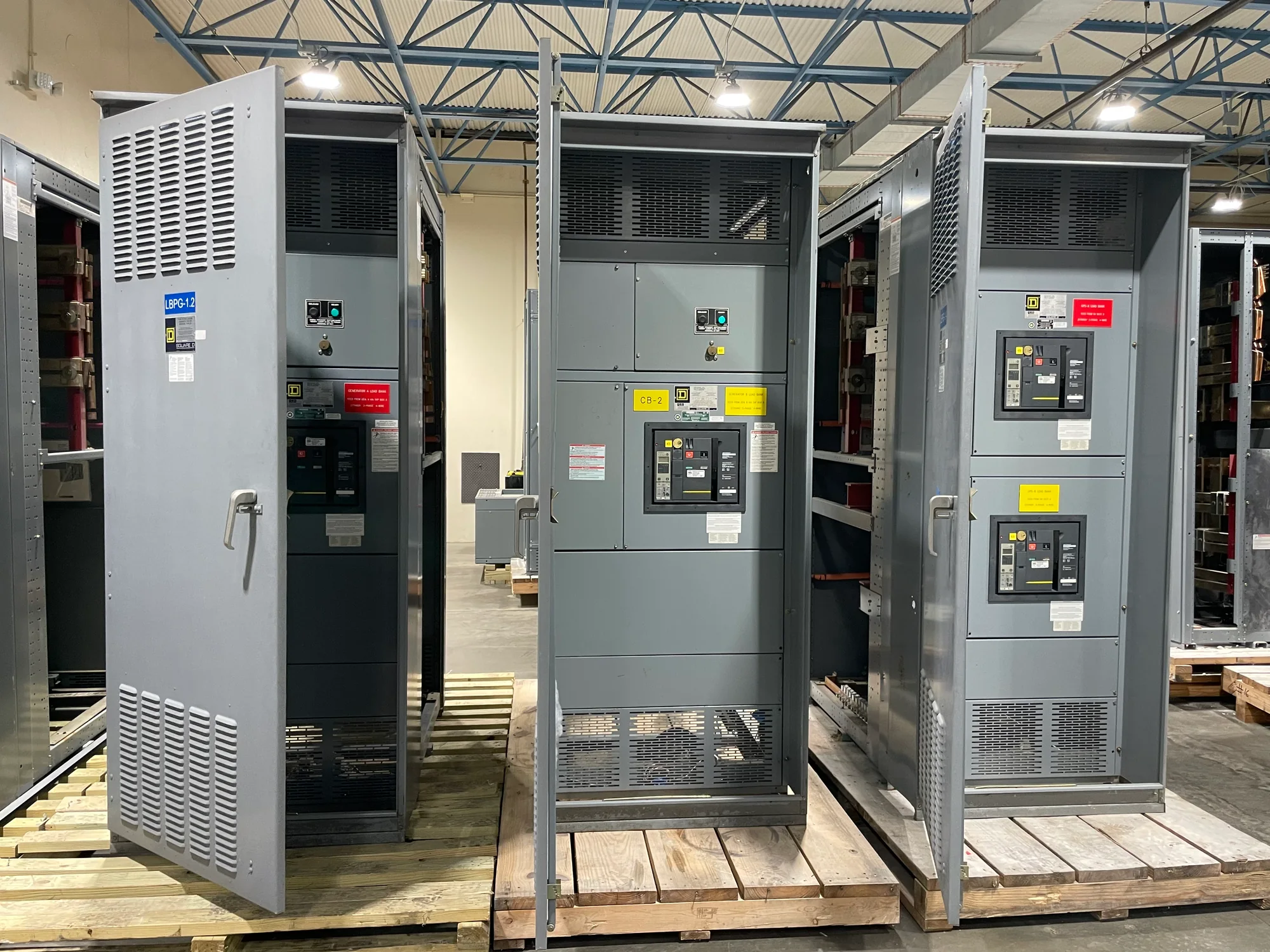
Planning Switchgear Delivery in San Francisco
San Francisco projects can involve tight streets, limited staging areas and building rules that affect when and how equipment reaches the site. Early logistics planning helps align switchgear delivery with the construction sequence and the receiving location. Share the project address, requested delivery period, site contact, unloading arrangements and any restrictions on vehicle size or access. Where a site requires an appointment, a specific arrival window or advance coordination with property management, identify those requirements before shipment planning is finalized. The delivery approach depends on the equipment dimensions, route, carrier requirements and conditions at the destination; details should be reviewed for each project rather than assumed. Switchgear Builder California supplies new equipment built in the USA with American components and serves customers in San Francisco. Confirming coverage, equipment scope and practical delivery arrangements with the project team is an important first step.
Account for Constrained Access and Receiving
Urban access constraints can shape equipment selection, shipping configuration and the sequence of installation. Confirm clearances along the delivery route, including loading docks, doorways, corridors, elevators, ramps and turns. Identify whether the site can receive a full assembly or whether project planning must account for handling separate sections. The electrical contractor, equipment handler and site representative should also establish who is responsible for unloading, moving equipment into position and protecting it during storage. Do not rely on a street-side drop if curb access, permits, traffic control or staging space have not been verified. Provide current site drawings, photographs or measurements when available, and flag restrictions such as limited freight access or working-hour rules. These details let the project team review feasible logistics and coordinate responsibilities; they do not establish that every configuration or delivery method will suit a particular building.
| System | Voltage, phase, current and available fault current |
|---|---|
| Configuration | Lineup, protection, controls and enclosure as specified |
| Compliance | Applicable standards and listing confirmed for the assembly |
| Delivery | California and nationwide; schedule confirmed by quote |
Coordinate Delivery Windows with Construction
A delivery window should reflect both the site’s operating rules and the project’s readiness. Coordinate the planned arrival with the electrical contractor, general contractor, building management and any receiving or security personnel. Verify that the work area is accessible, the unloading equipment is arranged, and the path from receiving to the final location is clear before dispatch. If the building restricts deliveries to certain hours or days, communicate those limits early and confirm them again as the schedule develops. Schedule-sensitive or expedited options may be considered after review of project requirements, equipment scope and logistics, but timing is not guaranteed. If construction milestones shift, notify the project team promptly so that delivery planning can be reassessed. Clear ownership of confirmations, contact numbers and day-of-arrival instructions can reduce avoidable delays without treating an estimated date as a firm commitment.
Plan Existing-Building Retrofit Work
Replacing or modernizing switchgear in an occupied or older building requires careful attention to existing conditions. Establish what equipment is installed, how it is connected, and what operational constraints govern shutdowns or temporary service arrangements. Qualified electrical professionals should assess the existing distribution system, determine protection and rating requirements, and identify applicable codes and standards for the project. Field verification is valuable: record available room dimensions, working clearances, access paths, cable entry locations, bus or conduit interfaces, and any obstructions that could affect removal or installation. Documenting these conditions helps the team evaluate fit, interfaces and sequencing before new equipment is built or delivered. Retrofit or modernization support concerns the customer’s own equipment and project; it does not remove the need for engineering review, outage planning, or confirmation that the proposed design is suitable for the building.
Confirm Coverage, Scope and Next Steps
To begin coordination for a San Francisco project, provide the one-line diagram, equipment schedule, system voltage, available fault-current information, required ratings, environmental conditions and applicable project specifications. Include the installation address, target milestones, delivery restrictions and a site contact authorized to discuss receiving logistics. For low-voltage switchboards, identify whether UL 891 applies to the project requirements; for medium- or high-voltage equipment, identify and verify the standards applicable to that specific equipment. Standards and ratings are design inputs to confirm, not a substitute for determining project compliance or establishing a third-party listing. Switchgear Builder California can review the requested scope and discuss whether the project and delivery plan can be supported. California service and nationwide shipping are handled subject to project review and logistics. A complete, current information package enables a more useful assessment of equipment needs, coordination and next steps.