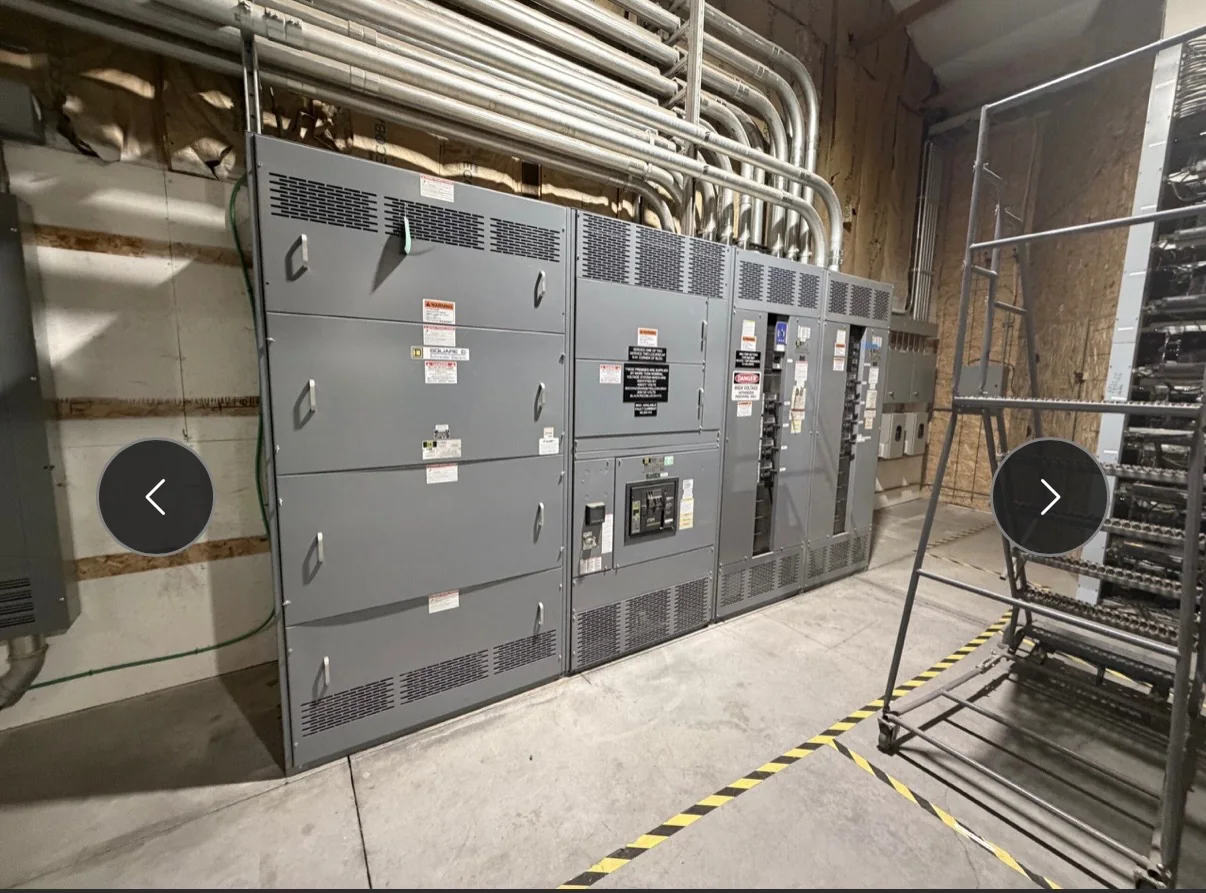
Switchgear Support for Fremont Projects
Switchgear Builder California supplies new switchgear to customers in Fremont and can discuss project support for facilities across the area. Manufacturing operations, technology campuses, and other electrically intensive sites may have different operating constraints, so early coordination helps connect equipment requirements with the realities of the job. Begin with the project location, facility type, intended application, and current design or procurement stage. We can review the information available and determine whether the project fits our scope and how delivery planning should proceed. Coverage, equipment configuration, and logistics are confirmed individually; service to Fremont should not be taken as confirmation that a particular design or schedule is available. If the project has a required delivery window, staged construction, or limited receiving hours, identify those conditions early. That gives the project team a basis for discussing practical next steps before equipment details and site arrangements are finalized.
Plan Around Manufacturing Loads
Manufacturing facilities can combine continuous production, large motor loads, process equipment, and planned expansions. Those demands shape the electrical design and the sequence for replacing or adding distribution equipment. Provide one-line diagrams, load information, system voltage, available fault-current data, protection requirements, and any specified ratings as design inputs for review. Include known future loads and the operating consequences of an outage, while recognizing that qualified electrical professionals must determine protection, ratings, code requirements, and any required studies for the specific project. Existing gear and upstream or downstream equipment may also affect coordination, so document interfaces rather than treating the new assembly in isolation. For an occupied plant, explain access restrictions, shutdown opportunities, temporary-power plans, and whether installation will be phased. This context helps the project team evaluate equipment scope and delivery sequence together. It does not establish a particular configuration or guarantee compatibility without engineering review.
| System | Voltage, phase, current and available fault current |
|---|---|
| Configuration | Lineup, protection, controls and enclosure as specified |
| Compliance | Applicable standards and listing confirmed for the assembly |
| Delivery | California and nationwide; schedule confirmed by quote |
Technology Facilities Need Careful Interfaces
Technology facilities may depend on closely coordinated power distribution, redundant sources, standby generation, UPS systems, and critical cooling loads. The project design should define how the switchgear interfaces with those systems and which operating modes, transfer arrangements, and maintenance conditions must be considered. Share the electrical one-line, control narratives, equipment schedules, interface points, and owner or engineer specifications when available. Clarify whether work is for a new building, a capacity addition, or replacement within an operating facility, and identify commissioning, access, and outage constraints. Requirements for monitoring, communications, protective devices, and compartment or enclosure arrangements should be stated in project documents and confirmed during design review. Do not rely on a general description of a technology site to establish these details. Qualified professionals determine the appropriate ratings, protection, and applicable codes. Early alignment among the owner, electrical engineer, contractor, and equipment supplier can expose interface questions before they become delivery or installation issues.
Coordinate Delivery With Site Conditions
Delivery planning in Fremont begins with the receiving location, not simply the project address. Confirm the delivery contact, receiving hours, truck access, gate procedures, unloading responsibility, laydown space, and any restrictions on vehicle size or route. Construction sites may have changing access conditions, while active manufacturing and technology campuses can require advance notice, security clearance, escorts, or controlled delivery windows. Describe the equipment handling path from the receiving point to the intended installation area, including doors, corridors, ramps, elevators, floor loading limits, and lifting constraints where relevant. The project team should determine what rigging and unloading resources are needed and who will provide them. Share site plans and delivery instructions early, then reconfirm them as construction progresses. Shipping arrangements, packaging, delivery sequence, and schedule-sensitive options are subject to project review and confirmation; no delivery date should be assumed until details are agreed. Nationwide shipping may be arranged as appropriate to the project.
Confirm Scope, Coverage, and Next Steps
To start a Fremont inquiry, provide the project address, requested equipment type, design documents, quantity or lineup scope, target milestones, and the best technical and logistics contacts. Include specification sections and clearly mark unresolved items, alternates, or owner standards. If drawings are preliminary, identify their revision and expected update so review can account for design development. We can discuss whether the project and requested support fit our scope, what additional information is needed, and how equipment delivery coordination could be approached. Coverage, engineering details, shipping arrangements, and any schedule-sensitive possibilities are confirmed through project-specific review rather than presumed from the location alone. For procurement planning, coordinate the equipment decision with installation sequencing, site readiness, and applicable review requirements. Once scope and key interfaces are understood, keep the contractor, engineer, facility team, and receiving contact aligned on changes. That shared information supports a more useful conversation and reduces avoidable surprises as the project advances.