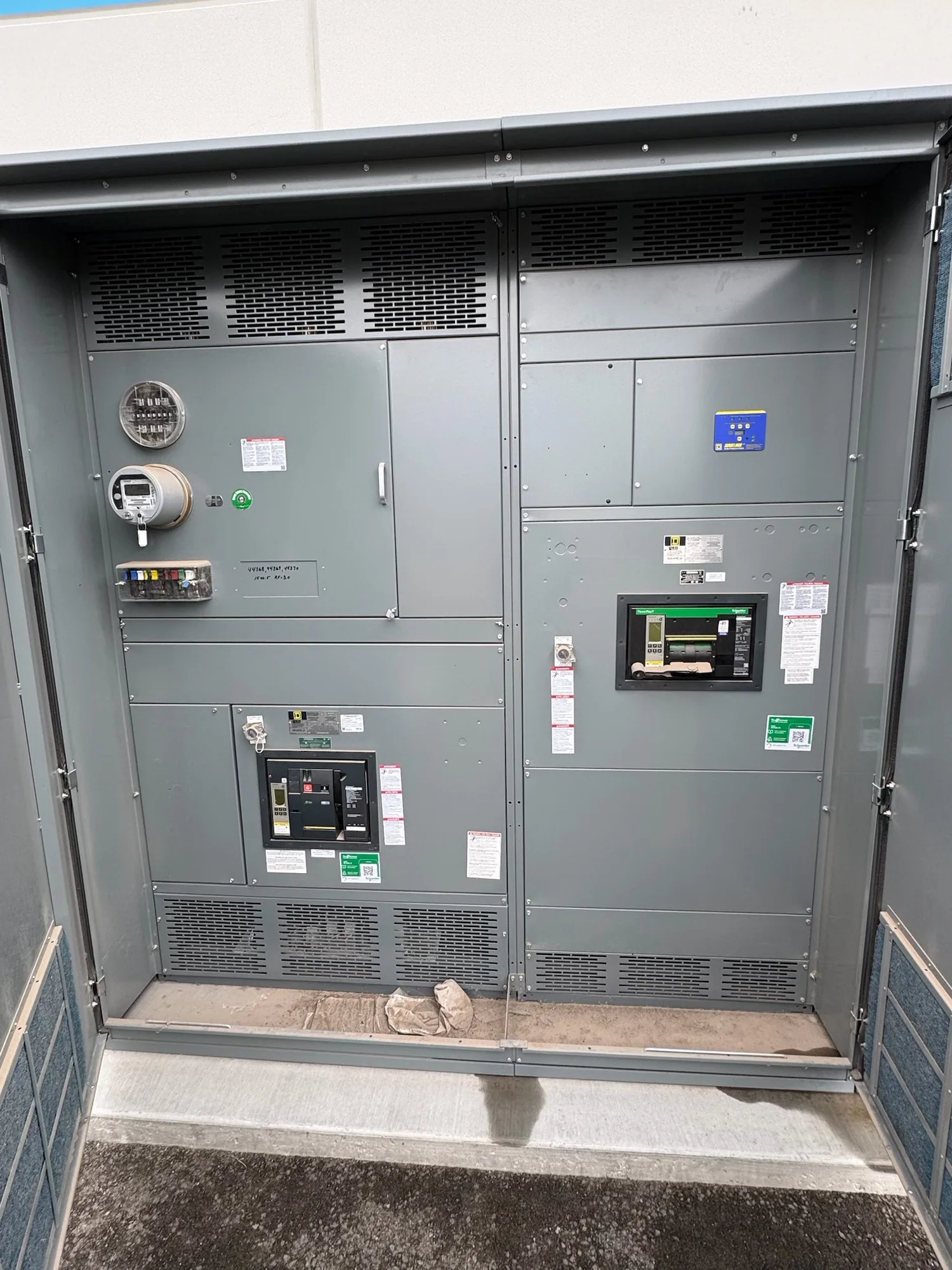
Planning Switchgear for Irvine Facilities
Irvine’s commercial buildings, technology workplaces, research spaces, and supporting infrastructure can place different demands on an electrical distribution system. A useful switchgear discussion begins with the actual facility load and the role the equipment will serve, rather than with a generic building label. Share the project’s one-line diagram, voltage and frequency, system grounding, available fault-current information, and intended service arrangement when available. Identify whether the work is new construction, an expansion, or replacement of equipment, and explain what must remain energized during installation. Those details help establish an appropriate scope and reveal questions that should be resolved before design advances. Switchgear Builder California manufactures and builds new equipment in the USA with American components, supplying customers for projects in Irvine and elsewhere. Project requirements, equipment configuration, and delivery arrangements are reviewed individually; a location does not by itself establish a particular product rating, configuration, or schedule.
Match Design Inputs to the Load
Commercial and technology facilities may include office loads, cooling systems, process equipment, servers, laboratory systems, or other sensitive and high-demand uses. The important design inputs include normal and emergency operating conditions, load growth assumptions, utility characteristics, generator or alternate-source arrangements, and the sequence in which loads must be restored. Provide expected continuous and peak demand, motor-starting or other transient considerations, and any limits on interruption that affect project planning. Protection, short-circuit ratings, bus arrangements, metering, and coordination must be evaluated for the specific electrical system by qualified professionals. Equipment requirements also vary by voltage class and application: identify the standards that apply to the specific equipment and have them verified during engineering review. For applicable low-voltage switchboards, UL 891 may be a relevant standard to identify; its relevance should be confirmed for the proposed assembly and project. A standard reference alone does not establish a third-party listing or approval.
| System | Voltage, phase, current and available fault current |
|---|---|
| Configuration | Lineup, protection, controls and enclosure as specified |
| Compliance | Applicable standards and listing confirmed for the assembly |
| Delivery | California and nationwide; schedule confirmed by quote |
Confirm Irvine Delivery and Site Access
Delivery planning is part of equipment coordination, not an afterthought. Before requesting a delivery plan, confirm the Irvine project address, receiving contact, site operating hours, and any restrictions on truck approach, turning, height, weight, or unloading. Construction sites may have limited staging areas, controlled entrances, active tenant operations, or restrictions imposed by property management. Note whether a loading dock is available, whether equipment must reach a particular floor, and what path is usable from the unloading point to the electrical room. Also identify who will provide rigging, lifting equipment, and on-site direction, and whether a scheduled arrival window or advance notice is required. The appropriate transport and handling approach depends on the equipment dimensions, shipment configuration, route, and site conditions. Share photographs, access diagrams, and receiving instructions early when possible. Delivery feasibility and logistics should be confirmed for the specific order and site before arrangements are finalized.
Coordinate Installation and Project Schedule
A realistic project schedule connects equipment design and release decisions with construction milestones, installation access, inspections, and planned energization. Provide the date when approved drawings are needed, the target installation window, and any utility coordination or shutdown constraints. If the facility is occupied, describe permissible work hours and how electrical outages are managed. Technology operations can make continuity planning especially important, but backup systems, temporary power, and switching procedures remain project-specific responsibilities. Qualified electrical professionals should determine safe work practices, protection settings, code requirements, and commissioning procedures. Schedule-sensitive or expedited options may be considered after review of the scope, engineering information, and current production commitments; timing is not guaranteed until the applicable details are assessed. Early communication helps identify missing inputs and potential conflicts, while timely drawing review and clear approval responsibility can reduce avoidable delays. Confirm expected milestones with the project team and keep changes to loads, layout, or delivery conditions visible to everyone coordinating the work.
Request Project Review and Coverage Confirmation
To begin a review for an Irvine project, send the available electrical documents together with a concise description of the facility, application, requested equipment, and desired delivery window. Include the project phase, decision and approval contacts, site address, receiving constraints, and any known interface requirements for existing equipment or other contractors. If documents are incomplete, identify what is still being developed rather than treating estimates as final design values. The team can use the information to discuss scope, clarify open technical questions, and review whether the requested delivery and project support can be arranged for the particular location and circumstances. Service to Irvine and the wider California market can be discussed, and nationwide shipping may be considered where project details support it; coverage, route, handling, and timing should always be confirmed rather than assumed. A focused initial package makes it easier to identify next steps, including what engineering information, site coordination, or schedule decisions are needed before a proposal can be completed.