Plan Chula Vista Coverage Around the Project
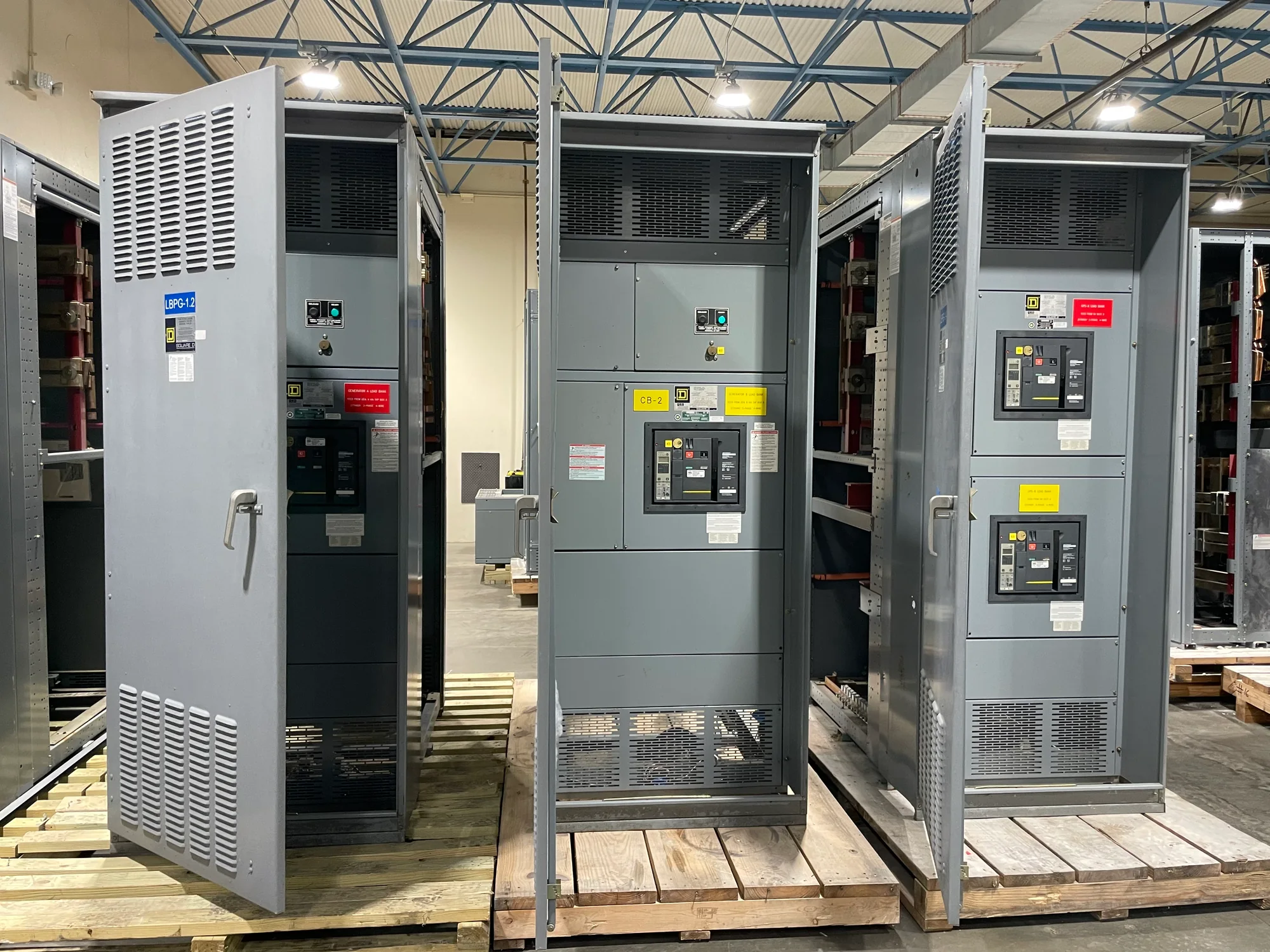
Switchgear Builder California supplies new switchgear to customers in Chula Vista and coordinates project details with the people responsible for design, purchasing, installation, and site operations. Coverage, equipment scope, and delivery logistics should be confirmed for the specific project rather than assumed from a city address. Start with the facility location, the requested equipment type, the required delivery window, and the project’s current design stage. Identify whether the work is new construction, a facility expansion, or replacement equipment for an operating site; each situation can affect access, outage planning, and coordination responsibilities. Share the project schedule and key decision dates, but treat any schedule-sensitive or expedited approach as subject to technical and logistical review. Early discussion helps determine what information is still needed and whether the requested scope aligns with the project’s electrical design. For Chula Vista projects, confirm the shipping destination and receiving arrangements before finalizing plans, especially when equipment must move through restricted streets or an active facility.
Account for Coastal Conditions in Equipment Planning
Chula Vista’s coastal setting makes environmental conditions an important design input, not a reason to assume a particular enclosure or protective treatment is automatically suitable. Describe where the switchgear will be installed: indoors or outdoors, near the coast or farther inland, and in a space exposed to moisture, salt-laden air, dust, temperature variation, or washdown. Provide the design documents that define the intended environment and identify any project-specific enclosure, corrosion-resistance, ventilation, or temperature requirements for review. Also clarify whether the equipment room has cooling, drainage, or other site conditions that could affect installation and long-term operation. Qualified electrical professionals should determine the applicable ratings, protection, codes, and environmental requirements for the project. Those decisions can influence equipment configuration and coordination with other systems, including upstream protection and grounding. Confirm the required standards for the specific equipment and intended application during engineering review; do not treat a location description alone as confirmation that a design meets the site’s needs.
| System | Voltage, phase, current and available fault current |
|---|---|
| Configuration | Lineup, protection, controls and enclosure as specified |
| Compliance | Applicable standards and listing confirmed for the assembly |
| Delivery | California and nationwide; schedule confirmed by quote |
Make Delivery Access Part of the Design Conversation
Large electrical equipment can create delivery constraints that are easy to overlook when planning focuses only on the electrical room. Before shipment planning, verify the receiving address, truck approach, gate and loading-dock arrangements, delivery-hour restrictions, and any escort or check-in procedures. Ask the facility team to identify overhead obstructions, narrow turns, security controls, uneven paving, limited staging areas, or other conditions that could affect unloading and movement. Confirm who will receive the equipment, what handling resources are available, and whether the route from the unloading point to the final location has been reviewed for dimensions and floor loading. Where equipment must be moved through an existing building, coordinate access with the installer and facility personnel before delivery. Share relevant site drawings, photographs, and handling constraints early so the project team can assess practical options. Specific transportation and offloading arrangements depend on the equipment and site; verify responsibilities, access, and timing with the parties involved rather than assuming they are included in a delivery plan.
Coordinate Electrical Requirements and Site Interfaces
A useful project inquiry includes more than a location and a general request for switchgear. Provide the one-line diagram, equipment schedules, system voltage and frequency, available fault-current information, required continuous and interrupting ratings, and the intended service configuration where established. Include metering, incoming and outgoing feeder details, controls, communications, and connection preferences that affect interfaces with transformers, generators, or other distribution equipment. These are design inputs to confirm, not a declaration that a particular configuration or rating is available. Identify the governing project specifications and the standards applicable to the equipment type. For low-voltage switchboards, UL 891 may apply where appropriate; medium- or high-voltage equipment requires identification and verification of the standards that apply to that specific equipment. Qualified professionals must determine protection, ratings, and applicable codes for each project. Also flag utility coordination, planned outages, commissioning expectations, and responsible engineering contacts. A complete package helps uncover open decisions early and supports a more useful review of scope, compatibility, and project coordination.
Confirm Scope, Schedule, and Next Steps
For a Chula Vista project, the next step is a focused review of equipment requirements and the realities of the site. Send available drawings and specifications, note which details are preliminary, and identify the person authorized to resolve technical questions. Include the target installation or delivery period, site receiving rules, and any milestones tied to construction, outage windows, or facility access. The project team can then review the requested scope, clarify missing design inputs, and discuss delivery coordination for the stated destination. Any schedule-sensitive option depends on engineering review, scope completeness, material considerations, and confirmed logistics; timing should not be treated as guaranteed until the project has been evaluated. If the equipment will replace existing gear, distinguish the new-equipment scope from any work required at the customer’s facility and confirm who is responsible for removal, installation, and connections. This preparation gives buyers, contractors, and engineers a practical basis for confirming coverage and planning the project without relying on assumptions about access, configuration, or timing.