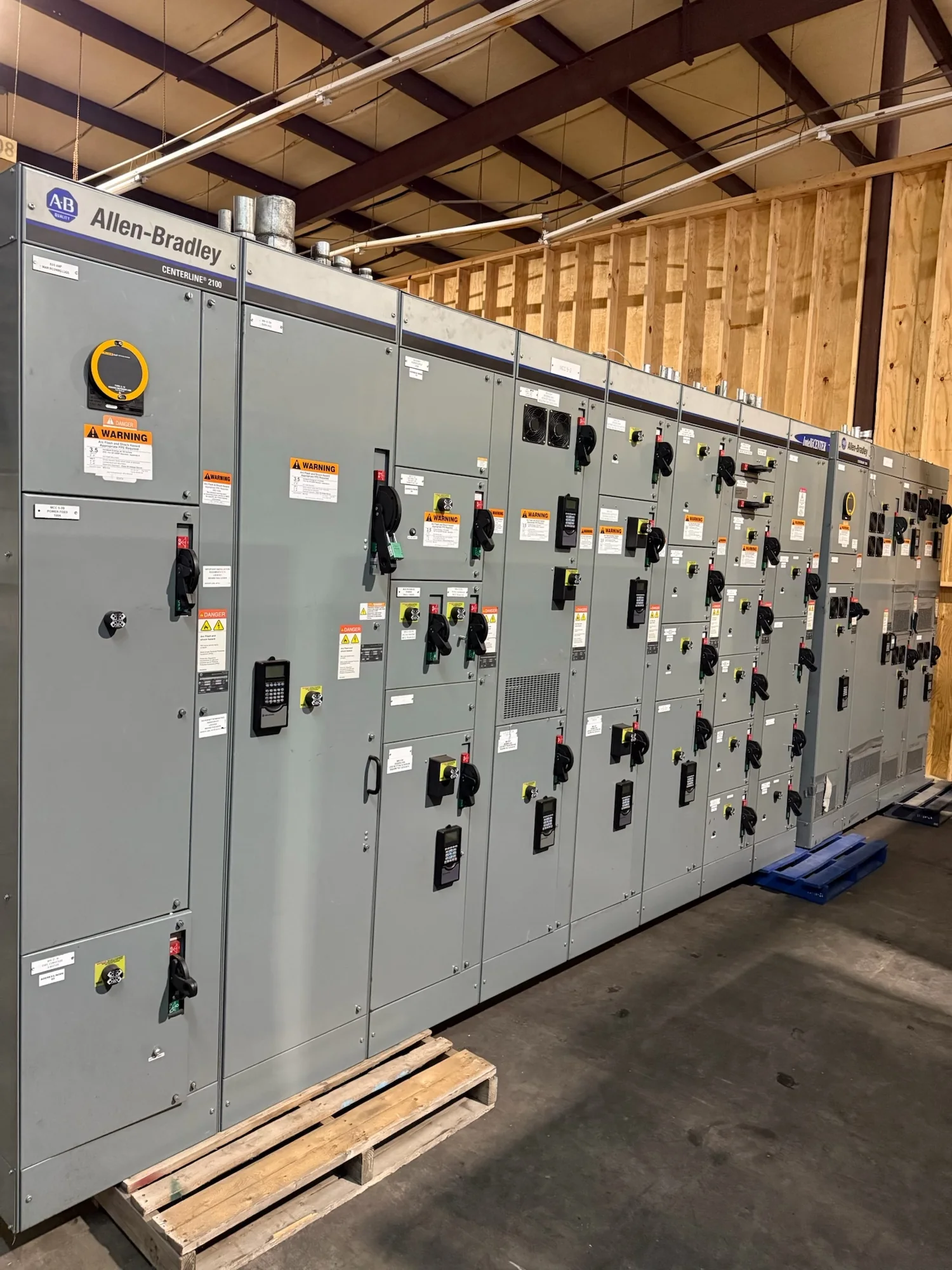
Plan delivery around the San Bernardino site
A successful switchgear delivery begins with the destination, not simply the city name. San Bernardino projects may involve industrial campuses, commercial properties, utility-related facilities or constrained urban sites, each with different receiving conditions. Share the exact jobsite address, delivery entrance, available turning space, unloading area and any limits on truck size or delivery hours. Note whether equipment must reach an interior electrical room, elevated level or temporary staging area. These details help determine what freight arrangements and handling assumptions need review before equipment is released. Confirm who will receive the shipment, what equipment is available for unloading, and whether a crane, forklift or other lifting plan is required. Avoid assuming that a site can accept a standard delivery vehicle or that a truck can wait while access is cleared. A coordinated site review helps reduce avoidable handling, protects equipment and gives the contractor a clearer sequence for installation.
Review inland freight and receiving logistics
San Bernardino is an inland Southern California destination, so freight planning should account for the route from the shipment’s origin, the final approach to the site and the receiving window. Route suitability can depend on vehicle dimensions, local restrictions, construction activity, road access and the time of day. Provide current directions that identify the correct gate and any restrictions that a driver may not see from a public map. For larger assemblies, confirm whether the shipment will move as one unit or in multiple sections, and establish the order in which sections are needed for installation. Coordinate delivery timing with the electrical contractor, site superintendent and receiving team so equipment does not arrive before secure storage or lifting resources are ready. Freight terms, handling responsibilities and delivery arrangements should be confirmed for the specific project. Coverage and logistics are reviewed against the destination, equipment dimensions, schedule and site conditions; contact the manufacturer with these details before relying on a proposed delivery plan.
| System | Voltage, phase, current and available fault current |
|---|---|
| Configuration | Lineup, protection, controls and enclosure as specified |
| Compliance | Applicable standards and listing confirmed for the assembly |
| Delivery | California and nationwide; schedule confirmed by quote |
Account for local ambient and installation conditions
San Bernardino’s inland climate makes ambient conditions important inputs when specifying and installing switchgear. Outdoor exposure, high temperatures, dust, moisture, corrosive influences and rapid changes between storage and operating environments may affect enclosure selection, ventilation, heaters or other design considerations. The right response depends on the installation location and the equipment’s operating requirements; a citywide assumption is not a substitute for site data. Identify whether the gear will be indoors or outdoors, the expected ambient temperature range, altitude, exposure to direct sun, ventilation conditions and any unusual contaminants. Explain how the equipment will be protected between delivery and energization, especially if construction leaves it exposed to dust or moisture. Qualified electrical professionals should determine the applicable environmental and electrical requirements for the project. Share site conditions early so they can be considered alongside the one-line diagram, load profile and protection scheme, rather than discovered after the equipment has been configured or delivered.
Match the design to industrial distribution needs
Industrial and commercial distribution in the San Bernardino area can involve varied loads, operating schedules and expansion plans. To develop an appropriate equipment scope, provide the one-line diagram, nominal system voltage, available fault-current information, service and feeder requirements, load data, protection intent and any future capacity goals. Identify the incoming source, downstream equipment and interfaces with generators, transformers, transfer equipment or controls where relevant. Ratings, construction details and control features must be reviewed against the actual project design; they should not be assumed from the location or application label. Consider maintainability as well as initial fit: working clearances, access for inspection, cable entry, room layout and the sequence for future shutdowns can influence a practical arrangement. The engineer of record and other qualified professionals determine protection, ratings and applicable codes. For medium- or high-voltage equipment, identify and verify the standards that apply to the specific equipment. For applicable low-voltage switchboards, clarify any project requirements tied to UL 891.
Confirm coverage and prepare a project inquiry
For a useful review, send the project location, requested delivery window, equipment type and voltage, preliminary quantities, drawings or specifications, and the name of the site contact. Include known access limits, unloading resources, indoor storage arrangements and environmental conditions. If the schedule is sensitive, explain the required milestones and what decisions remain open; schedule-sensitive or expedited possibilities can be evaluated only after project scope, engineering needs, component requirements and logistics are reviewed, and timing is not guaranteed until confirmed. Switchgear Builder California supplies new equipment built in the USA with American components and serves customers in California and nationwide. Delivery coverage, freight approach and project support for a specific San Bernardino destination should be confirmed directly, because site access and shipment characteristics vary. After initial review, align on open technical questions, submittal information, receiving responsibilities and the next decision points. That exchange gives the project team a practical basis for assessing fit, logistics and schedule before committing to an equipment plan.