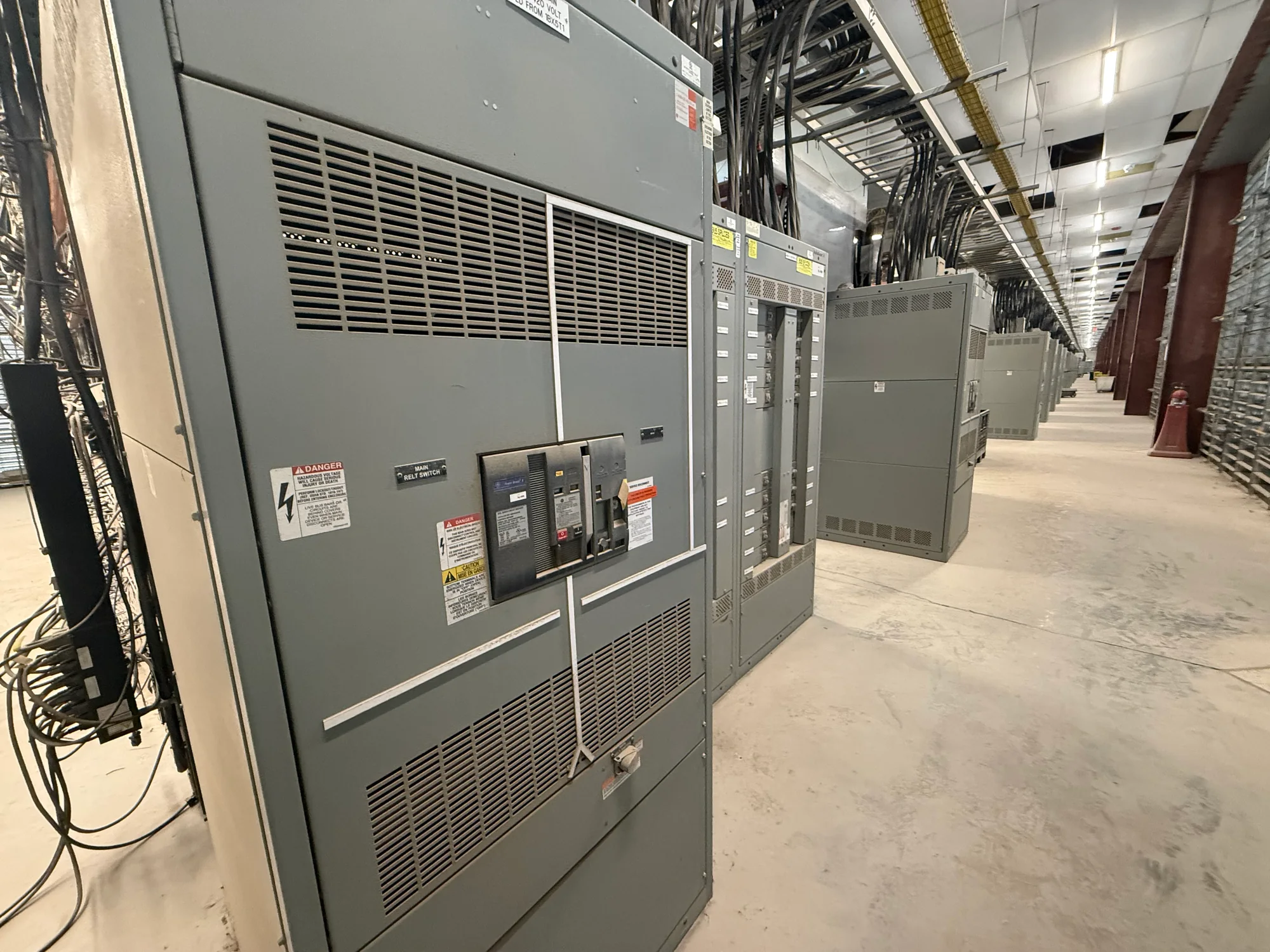
Planning switchgear service for Modesto projects
Switchgear Builder California supplies new switchgear to customers in Modesto and elsewhere in California, with equipment built in the USA using American components. A project’s location is only one part of confirming whether a particular design and delivery plan fit. Voltage class, system configuration, protective devices, interface requirements and the intended installation environment all need review against the project documents. Share one-line diagrams, specifications, load information, available fault-current data and the project schedule so the equipment scope can be evaluated with useful context. If requirements are still developing, identify open decisions rather than relying on assumptions; unresolved details can affect design coordination, procurement and shipping arrangements. Coverage and logistics should be confirmed for the actual project, destination and equipment dimensions. We can discuss the information needed to assess a request, but a location page does not establish that every configuration, schedule or delivery arrangement is available.
Account for Central Valley heat and site conditions
Modesto’s Central Valley climate makes the installation environment an important design input, especially where equipment may face high ambient temperatures, direct sun, dust or limited ventilation. Provide the expected indoor or outdoor location, ambient temperature range, elevation, enclosure exposure and any unusual contamination or moisture concerns. Also describe room dimensions, access clearances, ventilation provisions and nearby heat sources. These details help the project team assess whether the specified equipment and installation approach are appropriate and what requirements need resolution. Temperature can affect equipment selection, operating assumptions and thermal considerations; it should not be treated as a generic regional adjustment. Qualified electrical professionals must determine applicable ratings, protection and code requirements for the actual installation. Where site conditions differ from the project’s initial assumptions, flag them early so the engineer, contractor and equipment supplier can coordinate a response before drawings and shipping plans are finalized.
| System | Voltage, phase, current and available fault current |
|---|---|
| Configuration | Lineup, protection, controls and enclosure as specified |
| Compliance | Applicable standards and listing confirmed for the assembly |
| Delivery | California and nationwide; schedule confirmed by quote |
Coordinate industrial facility interfaces
Industrial facilities often have multiple loads, operating sequences and control interfaces that make switchgear coordination especially important. For a Modesto plant, warehouse, processing facility or other commercial-industrial site, describe how the equipment will connect to the existing or planned electrical system. Relevant information may include incoming utility or generator sources, transformer data, bus requirements, feeder schedules, grounding approach, metering needs and control or communication interfaces. Identify whether the installation is new construction, a system expansion or a replacement affecting the customer’s own equipment. The project team should also clarify shutdown constraints, temporary power expectations and the division of work among the engineer, electrical contractor, utility and equipment supplier. These are coordination topics, not assumptions about a particular facility or a promise that every interface can be accommodated. Complete, current drawings and a clear responsibility matrix help expose conflicts while there is still time to resolve them.
Arrange shipping and receiving before release
Switchgear shipping requires more planning than identifying a street address. Confirm the delivery point, receiving hours, site access, unloading equipment, staging area and the route from the truck to the final equipment location. Door dimensions, turning space, floor capacity, dock limitations and construction progress can all influence how a shipment is received and moved. Provide any restrictions on truck size, appointment procedures, security access or delivery windows, and identify who will accept the equipment on site. The equipment configuration and shipping dimensions must be considered together with the available handling plan; do not assume a crane, forklift or specialized rigging is included. Delivery arrangements, coverage and feasible routing are confirmed for each order and destination. Early coordination among the buyer, contractor, site representative and supplier can reduce avoidable delays, but transportation timing remains subject to project review and carrier logistics.
Confirm scope, standards and next steps
To begin a Modesto project discussion, send the specification package, current drawings, requested delivery location and target milestones, along with a contact responsible for technical questions. Note which decisions are firm and which remain pending, such as utility data, fault-current values, equipment room details or control requirements. Applicable standards depend on the equipment type and project; UL 891 applies to applicable low-voltage switchboards, and that reference does not establish a third-party listing. For medium- or high-voltage equipment, identify and verify the standards applicable to that specific equipment. Qualified professionals determine protection, ratings and applicable codes for each installation. We can review the supplied information, identify questions requiring clarification and discuss whether the requested scope and logistics can be supported. Schedule-sensitive or expedited options may be considered only after project review; timing and delivery are not guaranteed until the applicable details and arrangements have been confirmed.