Plan Around Fontana’s Industrial Loads
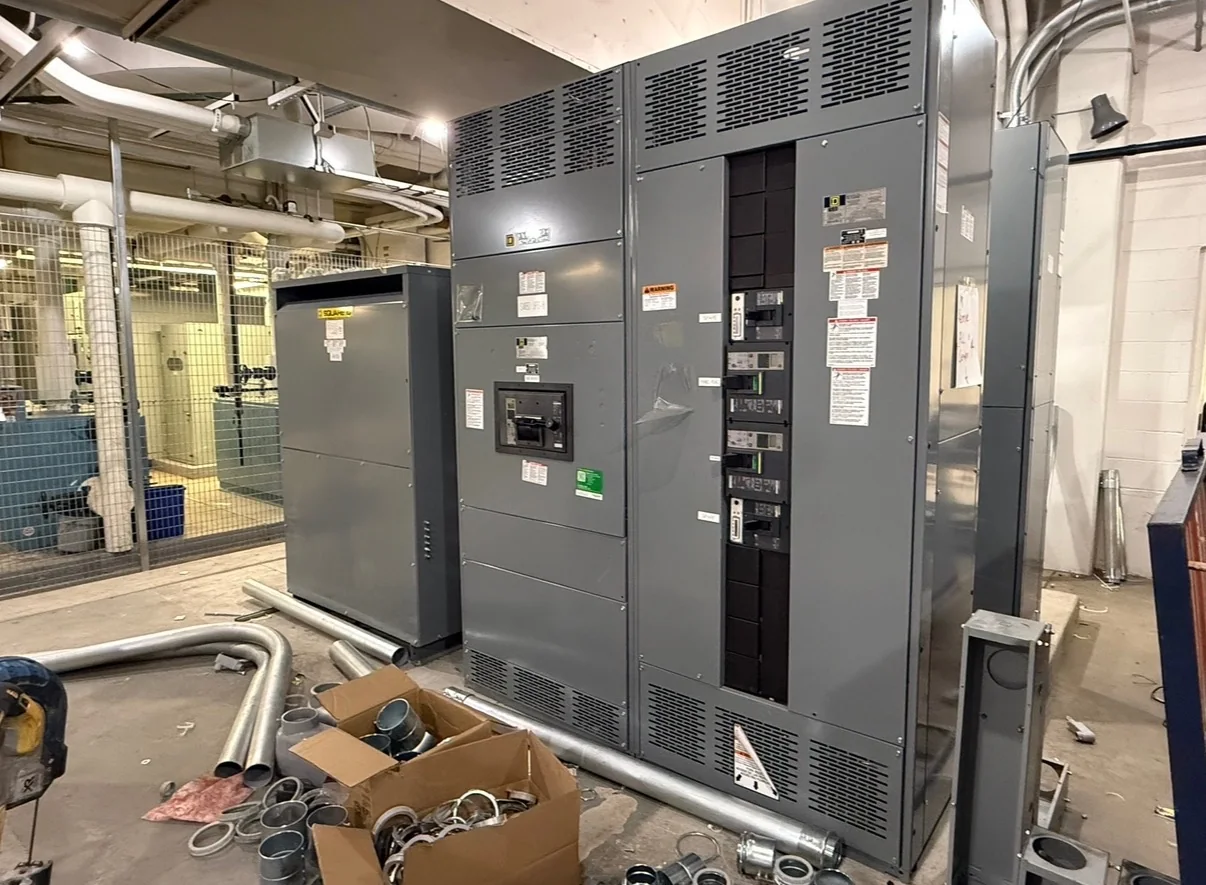
Fontana facilities can have demanding electrical needs, but the right switchgear begins with the project’s actual load and distribution plan—not a citywide assumption. Identify the service characteristics, system voltage, available fault current, load types, feeder arrangements and planned expansion. Manufacturing lines, material-handling systems, refrigeration, pumps and other large loads may affect equipment selection, protection and operational continuity. Share one-line diagrams, load schedules and relevant utility information early, and flag motor starting, sensitive electronics, standby sources or planned changes that could influence the design. A qualified electrical professional should establish protection requirements, equipment ratings and applicable codes for the specific installation. Switchgear Builder California supplies new equipment built in the USA with American components; configuration and requirements are confirmed for each project. Early technical review helps the project team identify open questions before fabrication and coordinate the equipment with upstream and downstream devices, the building layout and the intended operating sequence.
Confirm Site Access Before Scheduling Delivery
A delivery plan for an industrial property should account for the route from the public road to the final receiving point. Confirm gate dimensions, turning space, overhead clearance, pavement and loading-area conditions, security procedures, appointment requirements and any restrictions on delivery hours. Share site photographs, a marked route or a basic access drawing when available. The receiving plan should also identify whether a truck can reach the unloading location directly or whether the equipment must be transferred to another handling method. Do not assume that a truck’s arrival means the equipment can be moved safely into the building. Coordinate unloading and movement with personnel qualified to assess the equipment dimensions, weight, lift points, rigging, floor capacity and handling equipment. If the site is shared with active production or other contractors, establish traffic control and a clear work area in advance. These details help the project team evaluate logistics and identify constraints early.
| System | Voltage, phase, current and available fault current |
|---|---|
| Configuration | Lineup, protection, controls and enclosure as specified |
| Compliance | Applicable standards and listing confirmed for the assembly |
| Delivery | California and nationwide; schedule confirmed by quote |
Prepare the Receiving Area and People
Before delivery, name a site contact with authority to coordinate arrival, access and acceptance, and make sure that person can reach the project team. Confirm the delivery address, receiving hours, appointment process, contact numbers and procedures for checking the shipment. The destination should be ready for the equipment: verify doorway and corridor clearances, floor conditions, staging space, indoor storage conditions and the route to the installation location. Keep the receiving area free of unrelated material and arrange suitable equipment and qualified personnel for unloading and placement. Establish how packaging, visible damage or a discrepancy will be documented and reported, and who can make decisions if conditions at the site differ from the plan. Protect equipment from moisture, contamination and impact during storage and handling in accordance with project requirements and supplier guidance. A clear receiving checklist reduces avoidable delays and helps maintain a reliable record from arrival through installation.
Coordinate Technical Interfaces and Schedule
Equipment delivery is one part of a larger installation sequence. Coordinate switchgear dimensions and connection points with room layouts, cable or busway routes, grounding, ventilation, access clearances and other trades. Confirm who is responsible for the foundation or housekeeping pad, conduit entries, terminations, field wiring, testing and energization planning. Review the approved drawings and submittals with the electrical contractor and design team so that changes to the building or connected equipment are addressed before they become field conflicts. Provide the required in-service date, major project milestones and any access windows when requesting a schedule review. Schedule-sensitive or expedited options may be considered, but timing depends on the project’s technical scope, material requirements and current production planning; no date should be treated as confirmed until reviewed. Align delivery with site readiness and installation capacity rather than arranging arrival solely around a target date. This coordination supports safer handling and reduces the risk of equipment waiting in unsuitable conditions.
Request a Fontana Project Review
To confirm whether the project can be supported and what delivery arrangements may be practical, provide the project location, equipment type, system requirements, requested configuration, drawings and target milestones. Include the anticipated shipping destination, site contact, delivery restrictions, unloading resources, access route and receiving hours. For industrial facilities, note operational constraints such as limited shutdown windows, restricted vehicle movement or the need to coordinate with ongoing production. The project team can review the technical scope and logistics, identify information still needed and discuss suitable next steps. Requirements for medium- or high-voltage equipment should be checked against the standards applicable to that specific equipment; applicable codes and ratings must be determined by qualified professionals for the installation. Switchgear Builder California serves customers in Fontana and elsewhere in California, and nationwide shipping may be arranged subject to project review and logistics. Confirm coverage, configuration, schedule and delivery responsibilities directly before making site commitments.