Start with the right project information
For a new switchgear inquiry, begin with a concise description of the facility, application, and project stage. Explain whether the work involves a new installation, an expansion, replacement of existing equipment, or coordination with other electrical upgrades. Include the project location and the parties involved, such as the electrical contractor, consulting engineer, owner, or equipment integrator, when known. This context helps the team understand what kind of discussion is needed and who may need to participate. If you are contacting the company about a specific opportunity, identify the procurement or design milestone and any date by which you need an initial response. Early conversations are most useful when they distinguish confirmed requirements from assumptions still under review. You do not need a finished specification to make an initial inquiry, but a clear summary gives the team a practical starting point and helps avoid a generic exchange that does not move the project forward.
Share electrical requirements and documents
Include the information that defines the equipment application and its interfaces. Depending on the project, that may mean system voltage, frequency, phase, available fault current, continuous-load expectations, main and feeder arrangements, service entrance details, and the required environment or installation conditions. Treat ratings and configuration details as design inputs to confirm, not as a conclusion that a particular assembly is suitable. Drawings, one-line diagrams, specifications, equipment schedules, and relevant site photographs can make an inquiry more actionable; send only documents you are authorized to share. Note which items are preliminary and identify open questions, such as future load growth, utility coordination, space constraints, or connection requirements. For medium- or high-voltage applications, name the standards and project requirements that apply so the team can help identify what needs review. Qualified professionals must determine protection, ratings, coordination, and applicable codes for each project. Clear source information supports a more focused technical discussion without replacing engineering review.
| System | Voltage, phase, current and available fault current |
|---|---|
| Configuration | Lineup, protection, controls and enclosure as specified |
| Compliance | Applicable standards and listing confirmed for the assembly |
| Delivery | California and nationwide; schedule confirmed by quote |
Contact the team and identify your request
Call (951) 403-5738 or email saleselectricalbuyers@gmail.com to reach the team. For a new switchgear project, you can also use the quote form on the Request a Switchgear Quote page to share your requirements. In your subject line or form message, state the reason for contacting the team—for example, a new-equipment project inquiry, a request to discuss technical requirements, a purchasing question, or a general company question. Provide your name, organization, role, preferred callback method, and a time window with time zone if a call would help. If the matter is time-sensitive, explain the decision date and why it matters, while recognizing that response and project schedules require review. Avoid placing confidential or security-sensitive material in an initial message; ask about an appropriate way to share it if needed.
Ask focused questions about scope and next steps
A productive first conversation establishes what is known, what remains to be resolved, and who owns the next action. You might ask which drawings or specification sections would be most useful for review, what additional site information is needed, or whether the project’s stated requirements should be clarified before a quotation discussion. If you are comparing approaches, explain the operational priorities behind the comparison, such as maintainability, footprint, future expansion, outage constraints, or coordination with upstream and downstream equipment. Those priorities can involve tradeoffs, so identify which are mandatory and which are preferences. Do not assume that a requested rating, arrangement, standard, or delivery window is confirmed until the project has been reviewed. If schedule-sensitive or expedited options matter, include the required date and the reason for it; any such possibility is subject to review of scope and project conditions, not a guarantee. Close by confirming the best contact person and a reasonable follow-up method, so technical and commercial questions can be routed efficiently.
Contact for new equipment and general inquiries
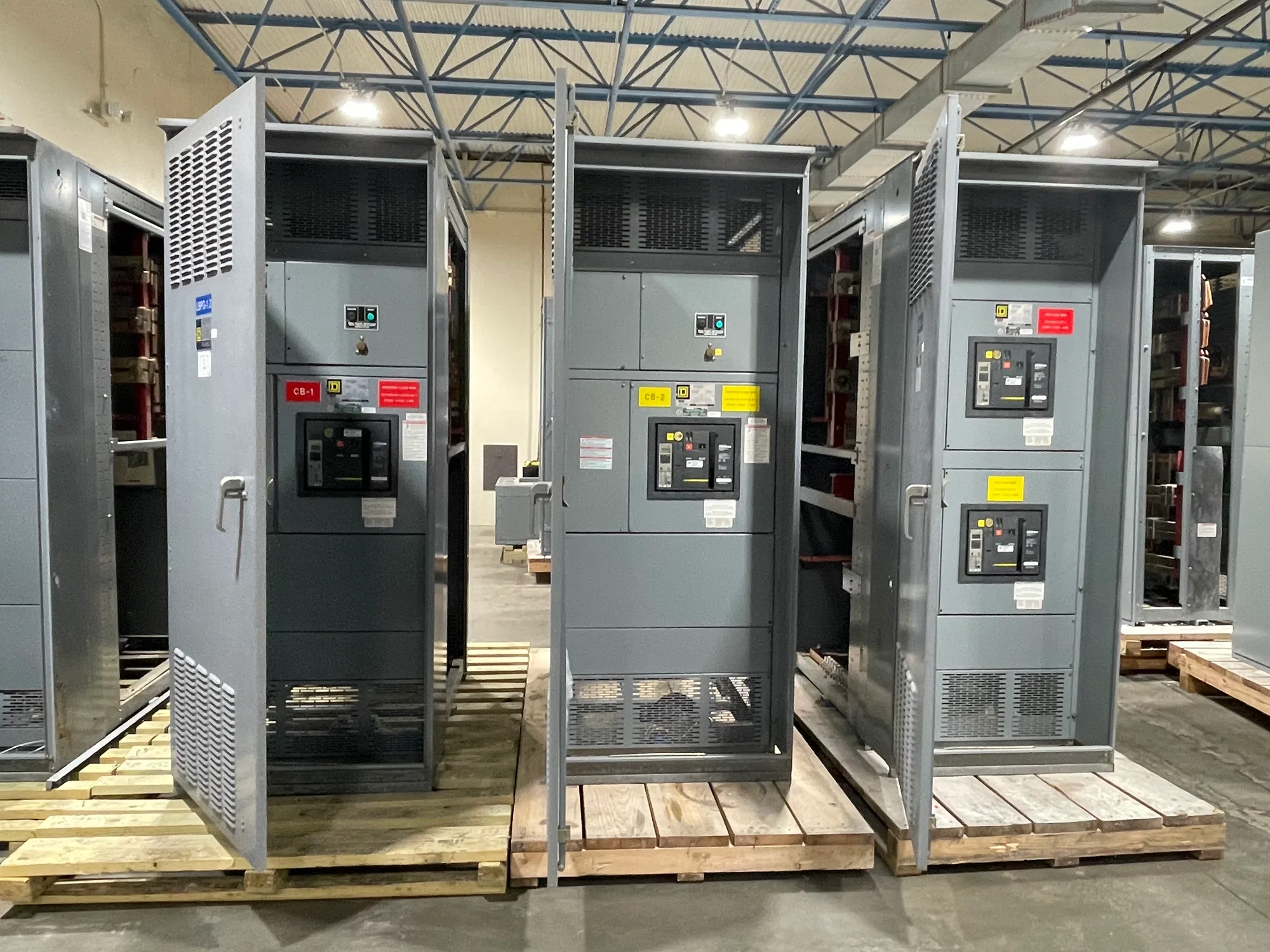
Switchgear Builder California manufactures new switchgear in the USA with American components. Contact the team to discuss a prospective equipment package, clarify the information needed for a project evaluation, or ask a general question about working with the manufacturer. California customers and projects elsewhere in the country can inquire; shipping arrangements and project fit are considered individually, so describe the destination and installation context. If your question concerns an existing customer-owned assembly, state whether you are seeking information about work on that equipment, rather than assuming the inquiry is for a new build. For any project, the appropriate next step depends on the application, technical requirements, documents available, and procurement stage. A complete initial message need not answer every engineering question. It should make the need understandable, identify the person to contact, and point to the information that can be shared next. Contact the team by phone or email, or use the quote form, and keep a copy of the inquiry and any reference documents for your project records.