Define the Purpose and Scope of Witnessing
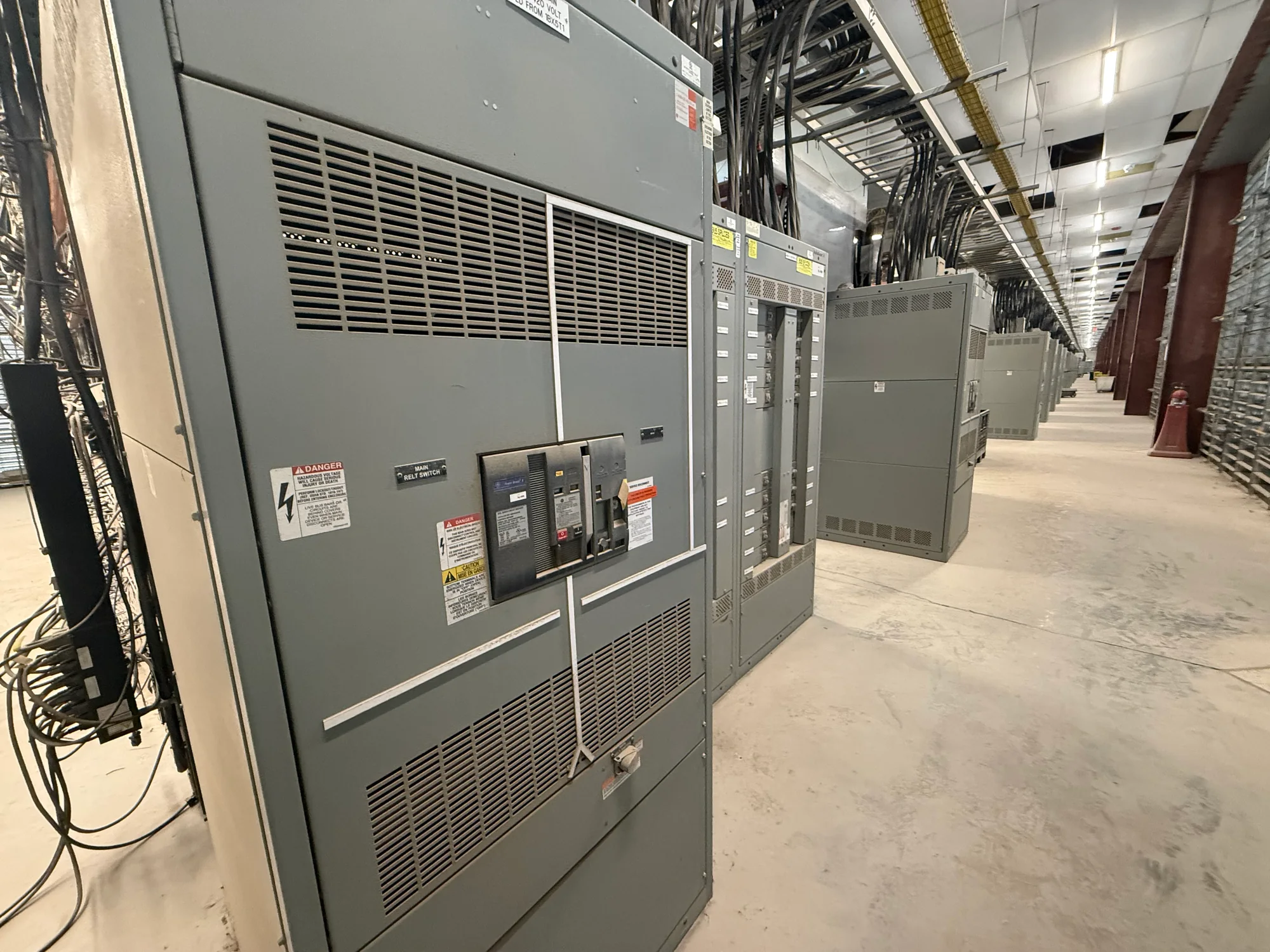
Factory witness coordination starts by clarifying what the project team needs to observe and why. Attendance may support design verification, confirm specified operating sequences, document workmanship, or satisfy a project’s inspection and acceptance process. These objectives are not interchangeable, so identify the relevant equipment, assemblies, test procedures and decision-makers before setting a date. The purchase documents and approved submittals should establish which tests are required, whether attendance is requested or contractually required, and what constitutes a satisfactory result. Distinguish routine production checks from tests that call for customer, engineer, consultant or other designated representative participation. Also define whether witnessing applies to the complete lineup, selected sections, particular devices or a documented sample. A focused scope helps avoid gaps and prevents attendees from expecting demonstrations outside the agreed test plan. Qualified professionals should determine applicable safety requirements, protection criteria, equipment ratings and codes for the project.
Set Acceptance Criteria Before Scheduling
A witness event is most useful when its pass, fail and hold points are understood in advance. Review the approved drawings, equipment schedules, specifications and submittals alongside the proposed factory test procedures. Record acceptance criteria for each witnessed activity, including required observations, measurable values where applicable, permitted tolerances, and the records needed to support a decision. Resolve conflicts between project documents before the event rather than relying on an informal interpretation at the test bench. For medium- or high-voltage equipment, identify the standards and test practices applicable to that specific equipment and confirm them with the responsible project professionals; requirements vary with design and application. Applicable low-voltage switchboards may involve UL 891 requirements, but any applicable requirements should be distinguished from customer-specific acceptance criteria. Establish how deviations, incomplete tests and unresolved questions will be recorded, assigned and reviewed. Clear criteria let attendees evaluate results consistently without suggesting that a factory witness event itself establishes a third-party listing or approval.
| System | Voltage, phase, current and available fault current |
|---|---|
| Configuration | Lineup, protection, controls and enclosure as specified |
| Compliance | Applicable standards and listing confirmed for the assembly |
| Delivery | California and nationwide; schedule confirmed by quote |
Coordinate Attendees, Dates and Readiness
Build the witness schedule around equipment readiness, approved documentation and the availability of the people authorized to observe and accept the work. Confirm the proposed date with the manufacturer and the customer’s project manager, engineer, commissioning representative or inspector, as applicable. Identify who may attend in person, who needs remote access if that option is arranged, and who has authority to resolve questions or accept documented results. Send invitations with the location or connection details, agenda, expected duration, access requirements and any advance review materials. Verify that attendee names and contact information are current, and communicate changes promptly. Before confirming the event, check dependencies such as drawing approval, required components, test instruments, procedures and prerequisites identified in the project plan. If a schedule is sensitive, discuss possible alternatives early; expedited or adjusted arrangements depend on project review, readiness and coordination, and cannot be presumed. A realistic schedule reduces wasted travel, avoidable delays and pressure to proceed before agreed prerequisites are met.
Prepare Safe, Useful Test Documentation
Provide attendees with a controlled set of documents that makes the event understandable and traceable. Depending on the agreed scope, this may include the approved equipment drawings, one-line diagram, test procedure, applicable schedules, revision identifiers and forms for recording observations. Define how readings, test results, instrument information, exceptions and attendee comments will be captured. Confirm which documents are issued before the event and which are finalized afterward, along with the responsible party and expected review process. Use consistent equipment identifiers so records can be connected to the correct lineup, section, device and project revision. Discuss site rules, personal protective equipment, restricted areas and permitted interactions with energized or test equipment before attendance. Only qualified personnel should conduct or direct tests, select protection measures and determine safe work practices. Witnesses should understand their role and remain within the controls established by the responsible test team. Good preparation supports meaningful observation while protecting people, equipment and the integrity of the record.
Close Out Results and Resolve Exceptions
At the end of the witness activity, review what was completed against the agreed agenda and acceptance criteria. Document the tests observed, results available, attendees, equipment identification, drawing or procedure revisions, and any limitations on the scope. Record each exception in specific terms: what was observed, which requirement or criterion is involved, who owns follow-up, and what evidence or action will close the item. Separate a completed test with an accepted result from a test that was deferred, incomplete or remains under review. Establish a process for distributing the report, submitting comments, responding to questions and documenting disposition, while retaining the project’s required records. Acceptance should be given only by the person or organization authorized under the project documents; attendance alone does not imply approval of every feature or waive outstanding requirements. If follow-up testing is needed, coordinate its scope, prerequisites, participants and schedule through the same review process. This disciplined closeout gives contractors, engineers and buyers a dependable basis for tracking readiness and making informed next-step decisions.