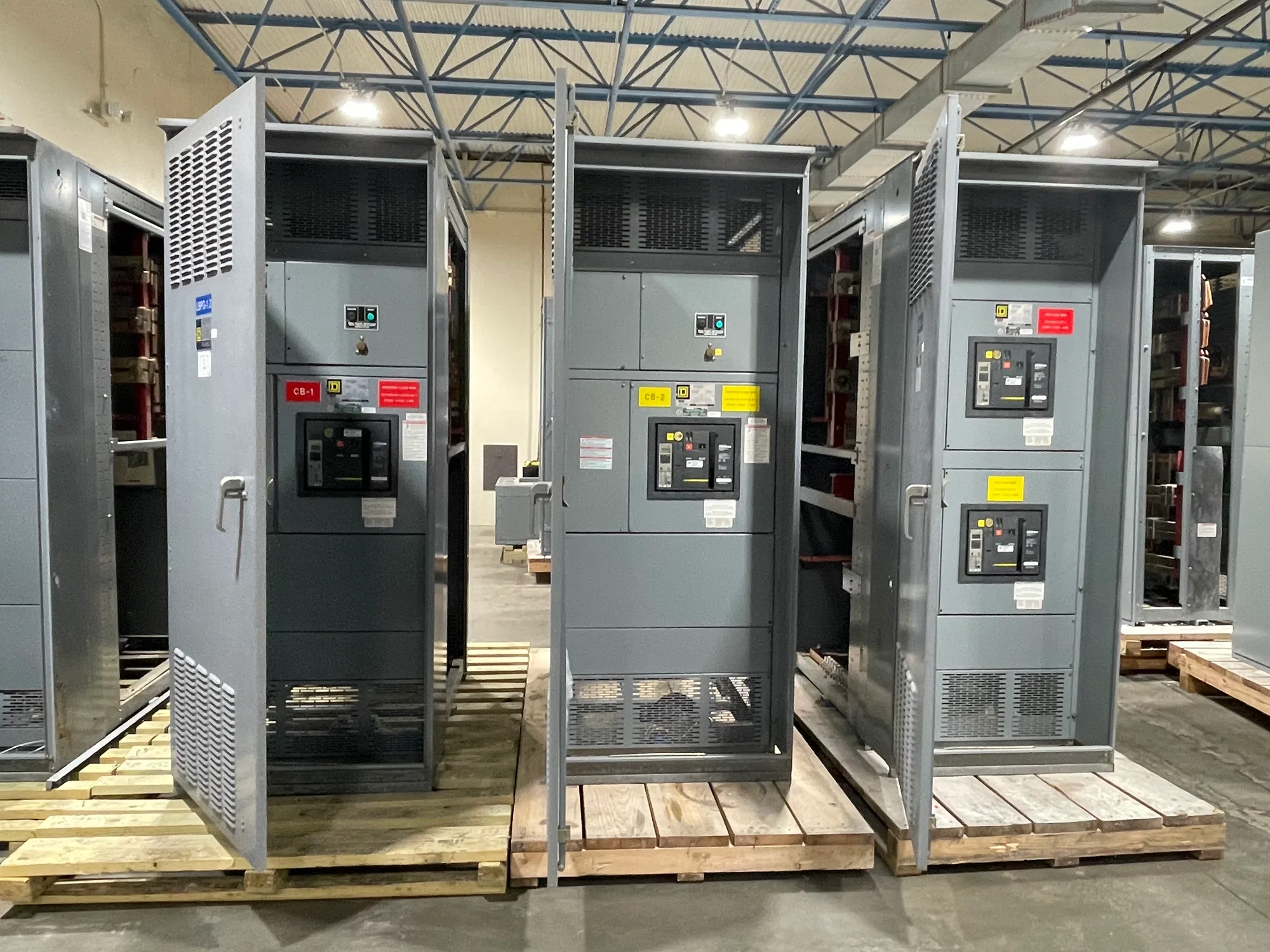
Set the Field-Service Scope Before Scheduling
Field service coordination begins by defining what the project requires and who is responsible for each activity. A switchgear manufacturer, electrical contractor, commissioning provider, utility representative and owner may all contribute, but their roles should not be assumed to overlap. Establish whether the requested support concerns a site survey, installation planning, equipment delivery coordination, startup assistance, testing or a handoff to an independent service provider. Record the responsible party, scope limits, required qualifications and decision authority for each task. Clarify whether the work is included in the equipment scope or must be arranged separately. This distinction helps prevent gaps such as an assumed startup visit that was never scheduled, or duplicate mobilizations for the same task. Confirm the project contacts, communication path and process for resolving field questions before equipment ships or crews mobilize. A written responsibility matrix gives the owner and contractor a practical reference as plans develop.
Use the Site Survey to Resolve Installation Constraints
A site survey can identify conditions that affect equipment layout, access and installation planning, but its purpose and limits should be clear. The owner and contractor should determine who will visit, what areas can be accessed and which measurements or observations are needed. Relevant inputs may include room dimensions, door and corridor clearances, floor conditions, equipment anchorage requirements, working space, cable entry locations, overhead obstructions and the route from the receiving point to the final position. Record known environmental conditions and any planned construction that could change access or readiness. A survey does not replace project drawings, field verification by qualified personnel or engineering review of structural and electrical requirements. Identify discrepancies between current site conditions and the latest plans, then assign each item for resolution. Photos and annotated drawings can help the equipment builder understand constraints, but sensitive site information should be shared through the owner’s approved process. Resolve major access and layout questions before finalizing installation logistics.
| System | Voltage, phase, current and available fault current |
|---|---|
| Configuration | Lineup, protection, controls and enclosure as specified |
| Compliance | Applicable standards and listing confirmed for the assembly |
| Delivery | California and nationwide; schedule confirmed by quote |
Coordinate Installation Responsibilities and Readiness
Installation planning should distinguish equipment-supplier responsibilities from those of the installing contractor and site team. Agree who receives and inspects the shipment, provides unloading equipment, manages rigging, positions and anchors the assembly, completes field connections, and protects the work area. These assignments depend on the contract and project conditions; they should be confirmed rather than presumed. The installing contractor should coordinate the work with approved drawings, site safety procedures, applicable codes and the project schedule. Before mobilization, verify that the room is accessible, construction is sufficiently complete, required utilities and grounding provisions are addressed, and the delivery path is ready for the planned equipment. Confirm any restrictions on work hours, permits, escorts or site access. If dimensions, connection details or field conditions have changed, route the issue to the responsible engineer and manufacturer for review before crews proceed. Qualified professionals must determine installation methods, electrical clearances and code compliance. Clear hold points help avoid setting equipment in a location that later conflicts with cable routing or maintenance access.
Define Startup, Testing and Commissioning Boundaries
Startup and commissioning are related but distinct activities, and project documents should state which are required and who will perform them. Startup support may involve reviewing equipment installation and readiness, while commissioning can include broader system checks and functional verification under a defined test plan. Do not assume that equipment delivery automatically includes either service. Identify the expected scope, sequence, records, acceptance criteria and responsible personnel before the work begins. The project team should coordinate access, outage windows, switching plans, test instruments, protective settings and required documentation with the owner and qualified electrical professionals. Protection settings and test procedures must be established by the appropriate project authority for the actual system; they should not be improvised in the field. Confirm that prerequisites, such as completed connections and approved drawings, are met before scheduling a visit. If a third-party commissioning agent is involved, agree how findings will be documented and escalated, and who can authorize corrective work. Any schedule-sensitive or expedited support remains subject to project review, personnel availability and site readiness.
Manage Third-Party Service and Closeout
When an independent service provider performs installation, testing or maintenance, coordinate interfaces without treating that provider’s scope as automatically covered by the equipment manufacturer. Verify the provider’s qualifications for the assigned work, required safety procedures, access arrangements and insurance or site documentation through the project’s normal process. Share current equipment information and approved drawings as appropriate, while keeping revisions controlled so crews are not working from outdated documents. Establish a single point of contact for technical questions and a clear path for requests that may affect design, warranty terms or project scope. At closeout, collect inspection and test records, open-item lists, final settings documentation where applicable, operating instructions and any agreed turnover materials. Assign ownership and target dates for unresolved items, and confirm who accepts the completed work. Customers across California and nationwide can discuss coordination needs with Switchgear Builder California while planning new American-built switchgear. Provide the project location, equipment type, delivery assumptions, drawings, milestone dates and named contractors so responsibilities and possible support can be reviewed early.