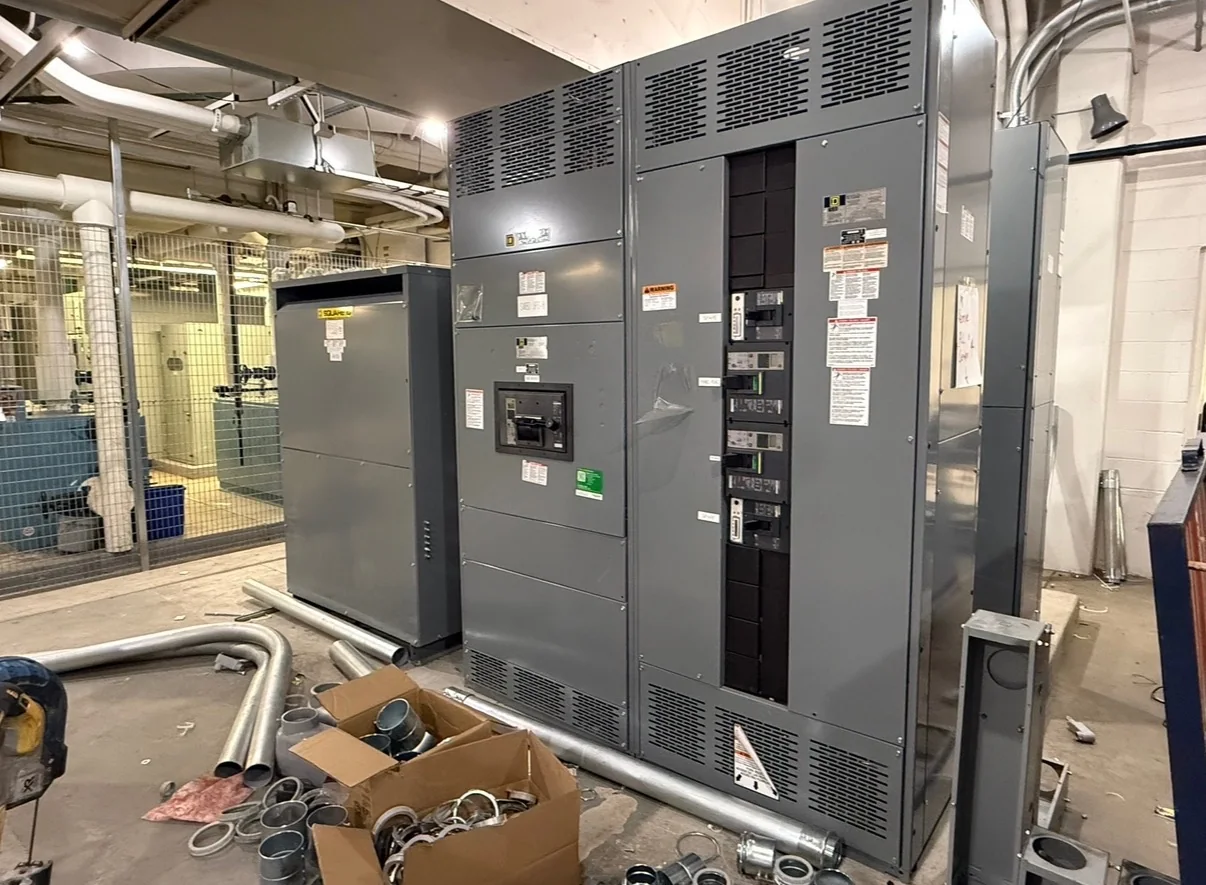
Turn Origin Preferences Into Clear Requirements
Domestic component sourcing begins with a precise statement of what the project requires. “Made in the USA” can refer to different things: where an assembly is built, where particular components originate, or whether a defined share of the product meets a specified threshold. Those distinctions matter when an owner, procurement team, contract, or funding condition sets an origin preference. Identify which components are in scope, whether the requirement is mandatory or preferred, and what evidence will be accepted. If the project cites a particular statute, grant condition, procurement policy, or contract clause, provide the exact reference for review rather than relying on a general domestic-content label. Switchgear Builder California builds new switchgear in the USA with American components, but the final sourcing approach and any origin statements must be evaluated against the actual equipment and project documentation. Clear criteria help prevent assumptions from becoming late-stage compliance disputes.
Map Components and Supply-Chain Questions
A switchgear assembly includes many items with different functions, specifications, and supply chains. A useful sourcing review starts with the project’s one-line diagram, equipment scope, technical specifications, and any approved-vendor or component restrictions. These documents help identify which components are critical to the design and which origin questions need resolution. Ask whether the requirement applies to every component, selected components, or a calculated portion of the equipment; also clarify how subcomponents and manufacturing steps are treated. Origin may not be established simply by the location of a final assembly, a supplier’s headquarters, or a product’s marketing description. The project team should define how it will evaluate the relevant facts. Where substitutions could affect protection, coordination, ratings, interfaces, or maintainability, treat sourcing and engineering review as connected decisions. A component change should be assessed for technical suitability as well as its fit with the stated origin criteria.
| System | Voltage, phase, current and available fault current |
|---|---|
| Configuration | Lineup, protection, controls and enclosure as specified |
| Compliance | Applicable standards and listing confirmed for the assembly |
| Delivery | California and nationwide; schedule confirmed by quote |
Specify the Evidence Needed for Verification
Documentation expectations should be agreed before procurement decisions are finalized. Depending on the project and its governing requirements, useful records may include supplier origin statements, component descriptions, manufacturer documentation, purchase records, or traceability information. The required evidence varies, so a generic statement is not necessarily adequate proof for a specific contract or public program. Define who reviews the records, what level of detail is needed, how exceptions will be handled, and whether information must be retained for an audit. If a formal certification or prescribed calculation is required, identify the exact form and governing criteria; do not substitute an informal claim. Origin documentation can also involve commercially sensitive supplier information. Discuss practical limits early and determine whether a summary, declaration, or other acceptable record can satisfy the project’s review. A documented process makes it easier to distinguish verified information from preference, estimate, or assumption.
Balance Sourcing Priorities With Engineering Fit
Origin preferences operate alongside electrical performance, safety, schedule, and lifecycle considerations. Qualified professionals must determine equipment ratings, protection, applicable codes, and design suitability for each installation. A sourcing constraint should therefore be reviewed against the electrical design rather than applied as a standalone purchasing filter. Confirm that proposed components align with the specified voltage and current requirements, fault-duty considerations, control interfaces, environmental conditions, and maintenance approach, as applicable to the project. Where the preferred source cannot meet a technical or documentary requirement, establish an escalation path: evaluate an alternate component, revise the specification if permitted, or obtain an owner decision before proceeding. Schedule-sensitive or expedited sourcing may be considered only after project review; supplier constraints and engineering approvals can affect feasibility. Recording the reason for each exception and the decision-maker’s approval supports coordination among the owner, engineer, contractor, and equipment builder.
Start the Review Before Procurement Locks In
Early coordination gives the project team more options than waiting until submittals or fabrication are underway. Share the procurement language, origin criteria, preferred component scope, required records, and decision deadlines when requesting a switchgear proposal. Include the latest one-line diagram, load and fault information, specifications, site conditions, and any approved-source restrictions so engineering and sourcing questions can be considered together. Ask which origin details can be documented for the proposed scope and what additional clarification is needed; do not treat an initial discussion as a blanket guarantee of content, availability, or compliance. For California projects and customers elsewhere in the United States, requirements can differ by owner, jurisdiction, contract, and funding source. Keep the final acceptance decision with the party responsible for interpreting those requirements, and consult legal or procurement specialists when appropriate. This disciplined process turns a broad preference into reviewable criteria and supports a more informed equipment decision.