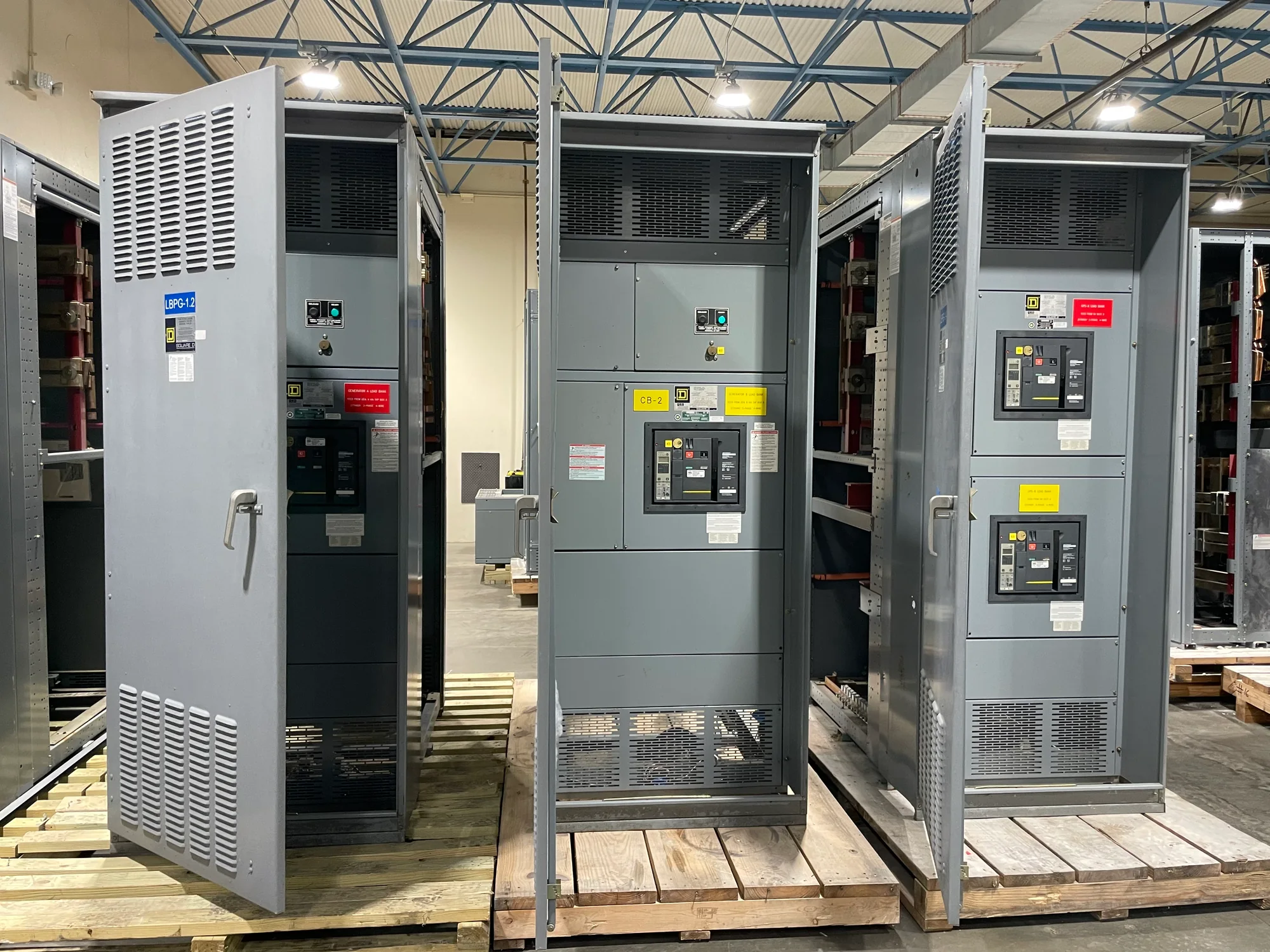
Start with the electrical basis of design
An accelerated switchgear project begins with a reliable electrical basis of design, not simply a shorter review period. Provide the one-line diagram, system voltage, frequency, available fault-current information, grounding method, and intended source and load connections. Identify whether the equipment is for a new installation, replacement, or expansion, and explain interfaces with transformers, generators, utility service, downstream distribution, and existing controls. These details shape lineup arrangement, bus design, protective-device coordination, metering, and connection requirements. If information is preliminary, label it clearly, state the expected confirmation date, and identify who owns the decision. This lets engineering distinguish workable assumptions from unresolved constraints. Qualified professionals must determine protection, ratings, and applicable codes for the project. Early review of the electrical basis helps focus their attention on consequential choices and reduces the risk that late changes will affect drawings, equipment interfaces, or the planned sequence.
Resolve rating and application questions early
Gather the ratings and environmental conditions that determine whether a proposed arrangement suits the application. These may include continuous current, short-circuit duty, insulation or voltage class, enclosure requirements, ambient conditions, altitude, seismic considerations, and indoor or outdoor exposure. Treat every value as a project input to confirm against the system study, site conditions, and governing requirements; a preliminary schedule or legacy drawing may not reflect the final installation. For medium- or high-voltage equipment, identify the standards and code provisions applicable to that specific equipment and have the project team verify them. UL 891 pertains to applicable low-voltage switchboards; its relevance must be evaluated for that equipment and does not establish a listing or approval for an assembly. Bring exceptions and uncertainty forward rather than burying them in notes. A short, documented decision on a rating or application can prevent broader redesign after component selection and arrangement have progressed.
| System | Voltage, phase, current and available fault current |
|---|---|
| Configuration | Lineup, protection, controls and enclosure as specified |
| Compliance | Applicable standards and listing confirmed for the assembly |
| Delivery | California and nationwide; schedule confirmed by quote |
Define interfaces, layout, and operating needs
Physical and functional interfaces often become schedule-critical when they are discovered after drawings are underway. Share room plans, equipment access routes, floor and anchorage information, cable entry direction, conduit locations, working clearances, and any restrictions on lifting or installation. Confirm the preferred lineup orientation, section sequence, connection points, and required space for future expansion. On the functional side, describe operating sequences, interlocks, transfer schemes, control power, metering, communications, alarms, and points that must connect to building or plant systems. Identify who supplies external devices, wiring, and interface documentation. If control narratives, I/O lists, or network requirements are still developing, issue the current revision with open items marked and assign an accountable reviewer. These inputs help engineering separate fixed constraints from preferences and coordinate dependencies before they affect fabrication planning. A clear interface register is especially useful when the electrical contractor, engineer, owner, and other equipment suppliers hold different pieces of the design.
Plan approvals as defined decision milestones
A fast review depends on knowing what each approval is intended to settle. Establish a drawing and submittal register with deliverables, responsible reviewers, issue dates, response dates, and the decision needed at each milestone. Align the review sequence with the project’s procurement and installation priorities: electrical configuration and lineup arrangement may need early resolution, while selected details can be confirmed in a later, explicitly agreed review stage. Consolidate comments from the engineer, contractor, owner, and relevant interface parties before returning them. Mark each comment as a required change, clarification, or preference, and resolve conflicting directions through a named decision-maker. A review is not complete when a file is circulated; it is complete when comments are answered, revisions are identified, and the responsible parties record acceptance of the applicable design information. Keep revision control disciplined, and avoid parallel markups that obscure which document governs. Dates and sequencing remain subject to project review and the completeness of inputs, so define decision windows without treating them as guaranteed delivery commitments.
Keep open items visible and protect the schedule
Maintain a live decision log from kickoff through approved engineering milestones. For each open item, record the question, its effect if unresolved, the person responsible, the target decision date, and any temporary assumption. Rank items by consequence: a change to voltage, fault duty, lineup footprint, or a major interface can alter the design substantially, while some documentation details may be resolved without changing the equipment arrangement. Review the log regularly with the project team and escalate items that threaten downstream decisions. When scope, site conditions, or electrical data change, communicate the revision promptly and ask engineering to assess its impact before related documents are treated as current. A consolidated package—current diagrams, schedules, room information, control requirements, and decision records—supports efficient review and reduces rework caused by conflicting revisions. If the project is schedule-sensitive, discuss possible sequencing or expedited review options during project evaluation. Any such approach requires review of scope, inputs, and resources; it is not a promise of a particular completion date.