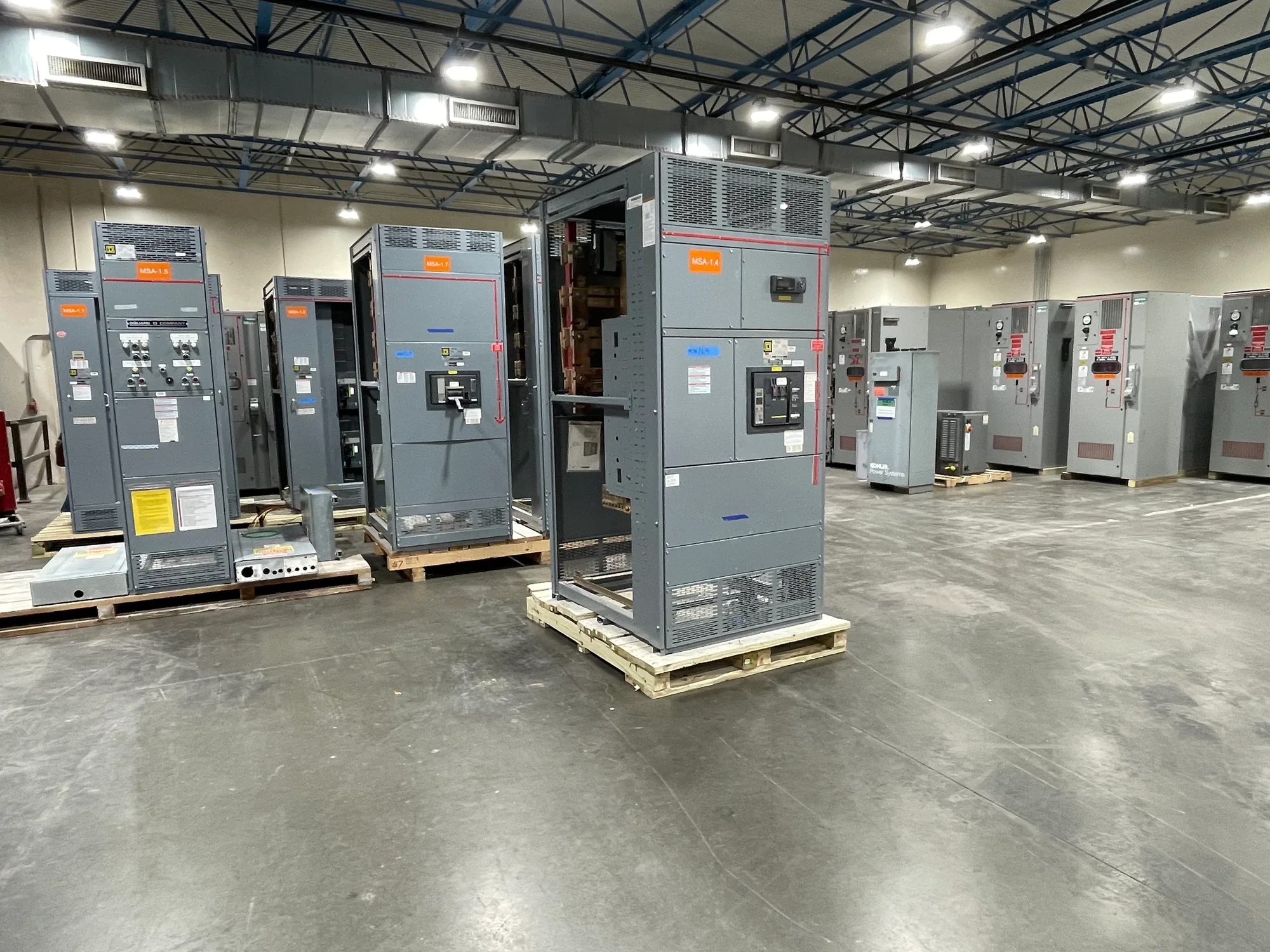
Buy New Switchgear Directly from the Manufacturer
Customers can purchase new electrical switchgear directly from Switchgear Builder California, an American manufacturer and builder of new equipment made in the USA with American components. A direct inquiry gives your project team a way to discuss the application with the organization responsible for developing the equipment, rather than beginning with an unrelated resale channel. This can be useful when a project has defined electrical requirements, space limitations, sequencing concerns or coordination questions that need clarification before a proposal can be prepared. Start by identifying the facility, project stage and equipment need, then explain whether the inquiry concerns a new installation, replacement or planned expansion. The appropriate product type and configuration depend on the application; a general request for “switchgear” alone may not identify the right scope. Customers in California and elsewhere nationwide may inquire, with shipping and project arrangements considered for the specific order.
Describe the Electrical Application and Scope
A useful inquiry begins with the function the equipment must perform. Explain whether the project calls for a switchboard, switchgear lineup or another assembly, and describe its role in the distribution system. Provide the nominal system voltage, frequency, phase and wire arrangement, along with available fault-current information and the project’s required short-circuit rating, where established. Identify service entrance, feeder, tie, transfer or other functional sections as applicable, and indicate the number and types of incoming and outgoing circuits. Include relevant load information, operating sequence and any coordination with upstream or downstream equipment. These details are design inputs, not confirmation that a particular configuration or rating is available. If some values are not yet known, label them as pending rather than guessing. Qualified electrical professionals should determine protection, ratings and applicable code requirements for the project. Clear scope information helps identify open engineering questions early and supports a more meaningful review.
| System | Voltage, phase, current and available fault current |
|---|---|
| Configuration | Lineup, protection, controls and enclosure as specified |
| Compliance | Applicable standards and listing confirmed for the assembly |
| Delivery | California and nationwide; schedule confirmed by quote |
Share Drawings, Specifications and Site Constraints
Attach the documents that define the project, even if they are preliminary. Useful materials can include one-line diagrams, equipment schedules, specifications, panel or circuit lists, site plans and photographs of the installation area. Mark revisions and distinguish mandatory requirements from preferences, alternates or items still under review. Note available floor space, access routes, working clearances, cable entry direction, conduit locations and any restrictions that affect installation or maintenance. Identify indoor or outdoor exposure and environmental conditions relevant to the equipment location. If the new assembly must interface with existing gear, provide the available interface information and explain what must remain in service during the work. Avoid relying on a photograph or an old drawing as the sole source for critical dimensions or electrical values; have the project team verify them. Where standards or specifications are cited, identify the exact document and edition if known. Applicable standards depend on equipment type and project conditions, so confirm them for the specific application.
Clarify Commercial and Delivery Requirements
Tell the manufacturer who is coordinating the inquiry and how the project decision will be made. Include the company and project names, job location, anticipated purchase timing and the best technical and commercial contacts. If you are a contractor or consulting engineer preparing a project on an owner’s behalf, explain your role and identify the owner or end user when appropriate. State the requested scope clearly, including equipment-only requirements and any project-specific documentation or coordination expectations. Provide the desired delivery window and any milestone dates that matter, while recognizing that schedule-sensitive or expedited options require project review and are not guaranteed. Shipping arrangements depend on the equipment, destination and order details; nationwide service does not imply every shipment or configuration is available in every case. If the project has budget constraints or alternate design paths, describe them as context for evaluation, not as assumed pricing or an established solution. A complete inquiry makes it easier to discuss commercial scope and practical next steps.
What Happens After You Send an Inquiry
After receiving the project information, the next step is to clarify scope, resolve missing design inputs and determine what can be considered for the application. Be ready to answer follow-up questions about ratings, circuit functions, dimensions, interfaces, documentation and schedule priorities. If the specification includes requirements that are not yet settled, identify the engineer or authority responsible for confirming them. For medium- or high-voltage equipment, specify and verify the standards applicable to that particular equipment; requirements should not be carried over from a different product category without review. For low-voltage switchboards, UL 891 may be relevant where applicable, but a standards reference does not by itself establish a third-party listing. Ask for any proposed deviations or assumptions to be made explicit so the project team can evaluate them. Before proceeding, review the proposal against the drawings and specification, confirm responsibilities and approvals, and agree on the information needed to move toward an order. This disciplined exchange helps align the new equipment with the project’s actual needs.