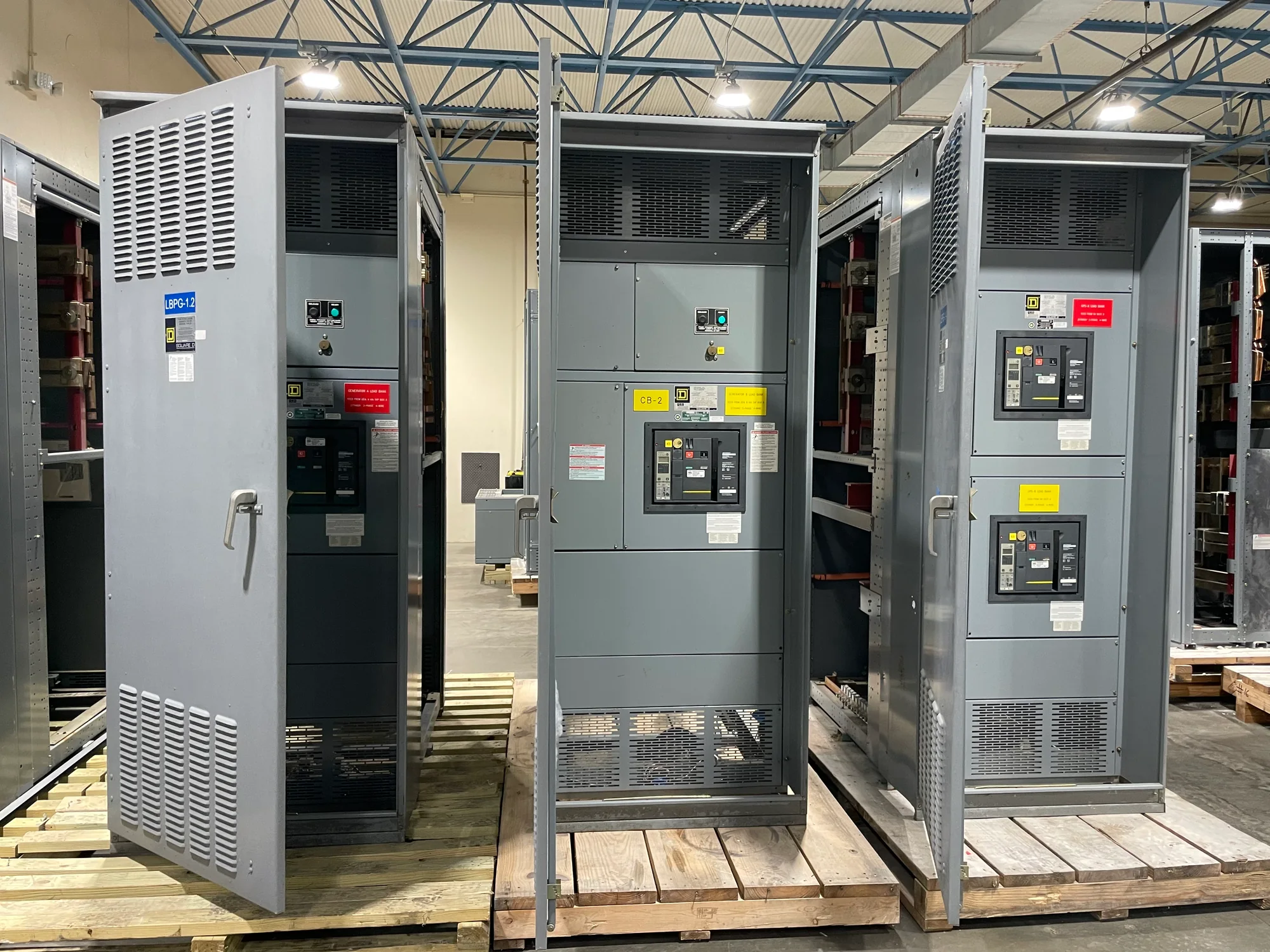
Start with the electrical application
Switchgear pricing is tied first to what the equipment must do in the electrical system. Identify the system voltage, frequency, phase, available fault current, grounding method and the intended service conditions. For low-voltage switchboards, provide the required bus rating, main and feeder arrangements, interrupting ratings, and any metering or control functions. For medium- or high-voltage equipment, specify the system class and operating requirements so the applicable equipment standards and design basis can be reviewed for that application. These details affect component selection, assembly design, engineering effort and testing scope; changing them late can require substantial rework. Have qualified electrical professionals determine protection, ratings and applicable codes for the project. A one-line diagram, equipment schedule and written design criteria are useful starting points. If a value is not yet confirmed, identify it as preliminary rather than allowing an assumption to become part of the price basis.
Define the lineup and functional scope
A price request should describe the complete lineup, not just a nominal amperage. Share the number and type of sections, main-device configuration, feeder quantities and sizes, bus arrangement, enclosure requirements, cable entry direction, and any space or future provisions. Identify auxiliary equipment such as relays, meters, control power, communications interfaces, transfer functions or special interlocking, where applicable. Functional requirements can drive both hardware and engineering: a straightforward distribution lineup differs from one requiring coordinated controls, specialized protection or integration with other systems. Drawings, device schedules, specifications and interface documents help establish a consistent scope. Also note boundaries between the switchgear supplier’s work and other trades, including field wiring, conduit, terminations, commissioning or system studies. Clear inclusions and exclusions reduce the risk of comparing proposals that cover different work. If the design is still developing, request that open items and assumptions be stated explicitly so stakeholders can evaluate their effect before releasing the configuration.
| System | Voltage, phase, current and available fault current |
|---|---|
| Configuration | Lineup, protection, controls and enclosure as specified |
| Compliance | Applicable standards and listing confirmed for the assembly |
| Delivery | California and nationwide; schedule confirmed by quote |
Account for materials and design requirements
Material choices influence equipment cost, but the right comparison starts with the project environment and applicable requirements. Specify indoor or outdoor use, enclosure conditions, ambient temperature, altitude, seismic criteria and any exposure to moisture, dust or corrosive agents. State bus material preferences, plating requirements, finish expectations and wiring or labeling conventions when they are defined by the project. Particular environmental or construction requirements may alter enclosure details, component choices, layout and documentation. Likewise, project standards, owner specifications and applicable codes should be provided early, with deviations or conflicts identified for review. For low-voltage switchboards, UL 891 may be relevant where applicable; its mention does not establish that a particular assembly is listed or certified. For medium- or high-voltage equipment, identify the standards applicable to that specific equipment and verify the design basis for the project. Do not treat a generic specification reference as confirmation of a rating, approval or compliance status; each requirement must be evaluated against the proposed scope.
Plan engineering, documentation and coordination
The amount of design development and coordination needed can affect both the work included in a quotation and the effort required to complete it. Provide the latest one-line diagram, site or room plans, cable schedules, control schematics, protection requirements and relevant utility or owner criteria. Note equipment interfaces, including transformers, generators, transfer equipment, protective relays, building controls and upstream or downstream devices. Coordination studies, arc-flash information, relay settings, communications protocols and commissioning support should be identified as required scope items rather than assumed. Clarify which drawings, submittals, manuals, test records and review cycles are expected, as well as who will approve them. A complete, internally consistent document set helps expose conflicts before design proceeds; conflicting ratings or device schedules can change component selection and pricing. When information is missing, list the decision, responsible party and needed date. This lets the manufacturer frame a useful price basis, flag exclusions and identify which engineering decisions remain open.
Treat delivery as part of the price basis
Delivery planning includes more than a destination. Provide the project location, requested delivery window, receiving hours, access restrictions, unloading arrangements and any site rules affecting transport or handling. Lineup dimensions, shipping splits, route constraints, indoor storage limits and sequencing needs may influence packaging and logistics planning. State whether the project requires staged shipments, delivery coordination with construction milestones or advance notice for receiving. These details should be reviewed alongside the final equipment scope because a change in lineup design or shipment plan can affect the delivery approach. Schedule-sensitive or expedited options may be considered only after project review; timing depends on the confirmed design, material requirements and production schedule, so no date should be assumed from an initial inquiry. California projects and customers elsewhere in the United States can provide their destination and constraints for review, without presuming every route or schedule is available. For a useful pricing discussion, send the current technical package, identify uncertainties, and ask for the quoted scope, assumptions, exclusions and delivery basis to be stated clearly.