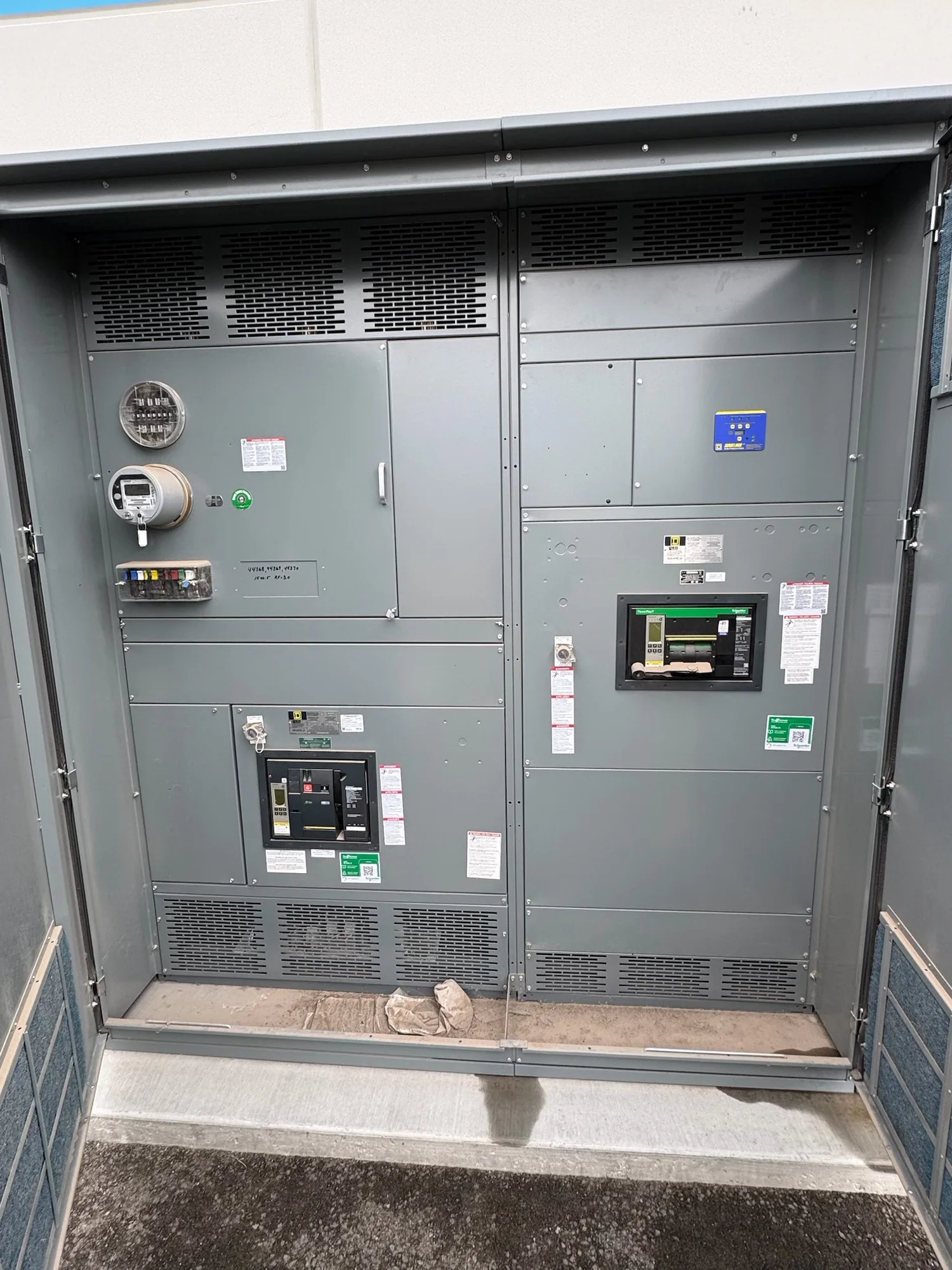
Start with Drawings and Project Documents
Provide the latest one-line diagram, equipment schedules, and relevant specifications so the quote can be based on the electrical system rather than a generic description. Include plan or elevation drawings when available, along with connection details, site constraints, and notes about existing equipment the new assembly must interface with. Mark each document with its revision and identify any preliminary or unresolved information. If documents conflict, explain which source governs or flag the discrepancy for review; assumptions can affect scope and price. A clear equipment list should identify the intended lineup, sections, feeder quantities, and major functions. For replacement projects, photographs and field measurements can help clarify access, conduit entry, bus connections, and available space, but they do not replace verified design information. The manufacturer can then review the package, ask focused questions, and identify information still needed before the proposal can be finalized.
Define Electrical Ratings and System Conditions
State the system voltage, phase, frequency, and grounding arrangement, and identify the required continuous-current and short-circuit ratings as design inputs. Include available fault-current information and its source, system study assumptions, and any required withstand or interrupting values. These figures are not interchangeable: the appropriate rating depends on the equipment type, system conditions, and applicable design criteria. Describe main and feeder devices, protective functions, metering, control power, and any communications or monitoring interfaces you expect. Note the incoming and outgoing cable or bus arrangements, neutral requirements, and preferred termination locations. If coordination studies, arc-flash analysis, or protection settings are part of the project, identify who will provide them and when. Qualified professionals must determine protection, ratings, and applicable codes for each installation. For medium- or high-voltage equipment, identify the standards and project requirements that apply to that specific equipment so they can be reviewed rather than assumed.
| System | Voltage, phase, current and available fault current |
|---|---|
| Configuration | Lineup, protection, controls and enclosure as specified |
| Compliance | Applicable standards and listing confirmed for the assembly |
| Delivery | California and nationwide; schedule confirmed by quote |
Clarify Construction, Interfaces, and Scope
Describe the intended equipment application and installation environment, including indoor or outdoor placement, ambient conditions, altitude, seismic considerations, enclosure needs, and access limitations where relevant. Identify whether the scope includes a complete assembly, specified components, interconnections, documentation, or other project items; do not rely on broad terms such as “turnkey” without defining responsibilities. Call out preferred manufacturers or component constraints only when they are genuine project requirements, and distinguish mandatory requirements from acceptable alternatives. For applicable low-voltage switchboards, UL 891 may be a relevant design requirement; confirm whether it applies to the particular equipment and project. It does not establish a listing for any assembly. Provide interface details for upstream and downstream equipment, building controls, communications networks, and utility requirements where they affect design. Clearly note items supplied by others, installation responsibilities, and any field work expected. A well-bounded scope makes proposals easier to compare and reduces change risk after award.
Include Commercial and Delivery Information
A useful request for quotation identifies the purchasing entity, project name, ship-to location, requested quotation date, and the person authorized to resolve technical questions. State the requested delivery or on-site need date, the expected award date, and any milestones that drive the schedule, such as design approval, outage windows, or construction sequencing. These dates are planning inputs, not a promise of delivery; feasibility depends on project review, design completion, component requirements, and other factors. Specify the requested proposal format and any commercial terms that must be considered, including payment terms, freight expectations, taxes, warranty requirements, and whether installation or commissioning is in scope. Provide any required vendor documentation or procurement forms early. If the project has alternates, identify each one separately and indicate whether you want separate pricing or a base-and-option structure. A complete commercial request helps clarify what is included and supports a more meaningful evaluation of competing proposals.
Review the Quote and Resolve Open Items
After submitting the package, designate a technical contact who can answer questions about ratings, diagrams, interfaces, and project assumptions. Track clarifications in writing and distribute revised drawings or specifications to all parties reviewing the proposal. When the quote arrives, check the equipment description, quantities, ratings, exclusions, options, documentation, and stated delivery assumptions against the request. Confirm that deviations are identified and that unresolved items have an owner and due date. If the design changes, provide a revision-controlled update and ask which commercial and schedule elements need to be revisited. Schedule-sensitive or expedited possibilities can be discussed, but require project review and should not be treated as guaranteed. Customers in California and elsewhere nationwide can request a quote for new equipment; shipping and project arrangements are evaluated for the specific order. A disciplined review before purchase helps align the manufacturer, engineering team, contractor, and buyer on scope before fabrication planning begins.