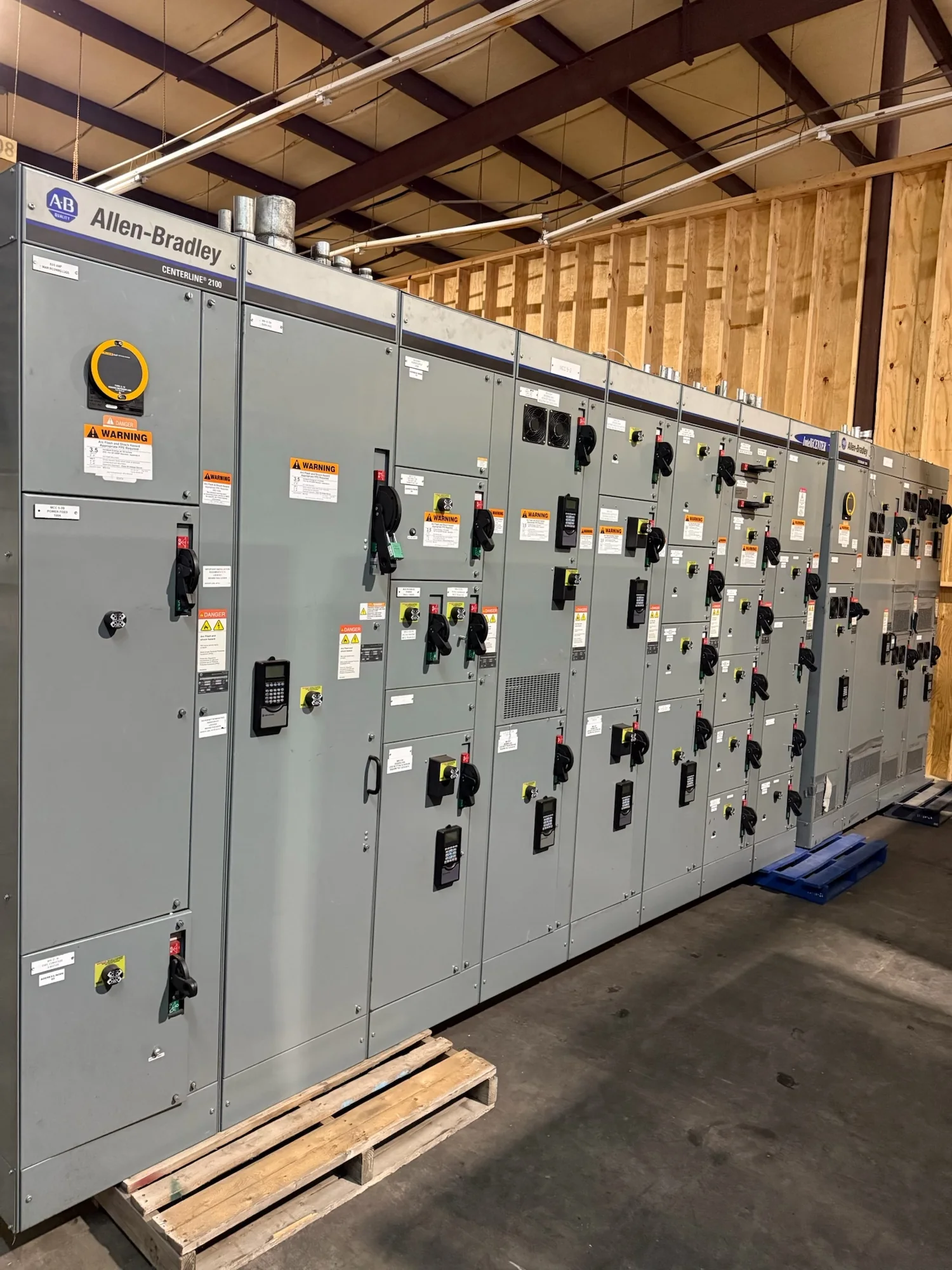
What “Near Me” Means for a Switchgear Project
For switchgear, “near me” is often less about a nearby showroom and more about access to a manufacturer that can understand the project, answer technical questions and coordinate delivery. Switchgear Builder California builds new equipment in the USA using American components, serves California customers and ships nationwide. That gives buyers a direct manufacturing contact without implying a local office or facility in every region. Early conversations can help determine whether the equipment scope, electrical characteristics and delivery needs are a fit for further review. Share the project location, application, required equipment type and target schedule so the team can identify the right questions. If a site visit, field dimension or other local coordination is important, raise that need at the outset; whether it can be supported depends on the project. A clear communication plan can make distance manageable, but it does not replace site-specific engineering or qualified installation.
Buy New Equipment Directly from the Manufacturer
A direct purchase starts with defining what the project needs, rather than selecting equipment by a general label alone. Identify whether the scope calls for a low-voltage switchboard or medium- or high-voltage switchgear, and provide the available one-line diagram, load information, system voltage, fault-current data and operating requirements when available. Note the intended use, indoor or outdoor conditions, utility or facility interfaces, and any expansion or maintenance considerations. These details help establish a suitable design basis and clarify what remains to be confirmed. The manufacturer can review the information, discuss potential approaches and develop a project-specific scope for a new-equipment quotation. Pricing depends on configuration, ratings, components, documentation and delivery requirements, so a broad description may not support a meaningful comparison. Ask what is included in the proposed scope and identify assumptions, exclusions and customer-supplied items before placing an order. This direct process supports informed decisions without implying that every requested configuration is available.
| System | Voltage, phase, current and available fault current |
|---|---|
| Configuration | Lineup, protection, controls and enclosure as specified |
| Compliance | Applicable standards and listing confirmed for the assembly |
| Delivery | California and nationwide; schedule confirmed by quote |
Confirm Ratings, Protection and Applicable Standards
Ratings and protection decisions must follow the actual power system and the equipment’s intended role. Provide available nominal and maximum system voltage, continuous current, short-circuit or withstand requirements, frequency, grounding method and protective-device coordination information. Qualified professionals should determine protection, ratings and applicable codes for each project; a manufacturer’s review is not a substitute for the project engineer’s responsibility to verify system design. For a low-voltage switchboard, discuss whether UL 891 is applicable to the requested equipment and identify any project-specific standards or documentation requirements. Do not assume that a standards discussion establishes a third-party listing or approval. Medium- and high-voltage equipment requires its own standards review: identify the equipment type, service conditions, jurisdictional requirements and governing specifications, then verify which standards apply to that specific equipment. Resolving these points before quotation helps prevent mismatches between the intended application and the final scope. Include the authority having jurisdiction’s requirements when known, and confirm outstanding items with the responsible professionals.
Plan Shipping, Receiving and Installation
Nationwide shipping can support projects beyond California, but freight planning should be treated as part of the equipment scope. Provide the delivery address, site access limitations, receiving hours, unloading resources and any restrictions on truck size or delivery appointments. Confirm who will receive and inspect the shipment, where equipment can be stored, and whether the site is ready when delivery is arranged. Dimensions, weights and handling needs should be reviewed against the route and available lifting equipment as project details develop. The buyer, contractor and manufacturer should agree on responsibilities for transportation coordination, site preparation and installation rather than assuming these are automatically included. Delivery timing depends on project review, equipment requirements, production planning and logistics; schedule-sensitive or expedited options may be discussed, but require individual review and cannot be guaranteed in advance. Allow time for engineering coordination, submittal review, approvals and site readiness. A practical delivery plan reduces avoidable delays and supports safer receiving and installation.
Prepare a Useful Inquiry and Compare Proposals
A focused inquiry helps the manufacturer respond with fewer assumptions. Send the latest one-line diagram and specifications, identify revisions, list required quantities, and state the project phase and decision date. Include known utility criteria, environmental conditions, preferred communications or control interfaces, accessory needs and documentation expectations. If key information is missing, say what is still being developed; the team can identify open design questions for follow-up. When comparing proposals, check that each covers the same equipment boundary, ratings, components, testing or documentation expectations, freight assumptions and exclusions. Ask how deviations will be identified and what approvals are needed before production. For projects with changing requirements, explain likely changes early so their effect on scope and schedule can be reviewed. California buyers can discuss project coordination directly, while customers elsewhere can begin remotely and confirm shipment details for their destination. Use the inquiry to establish a clear next step: technical review, scope clarification or a project-specific quotation for new equipment.