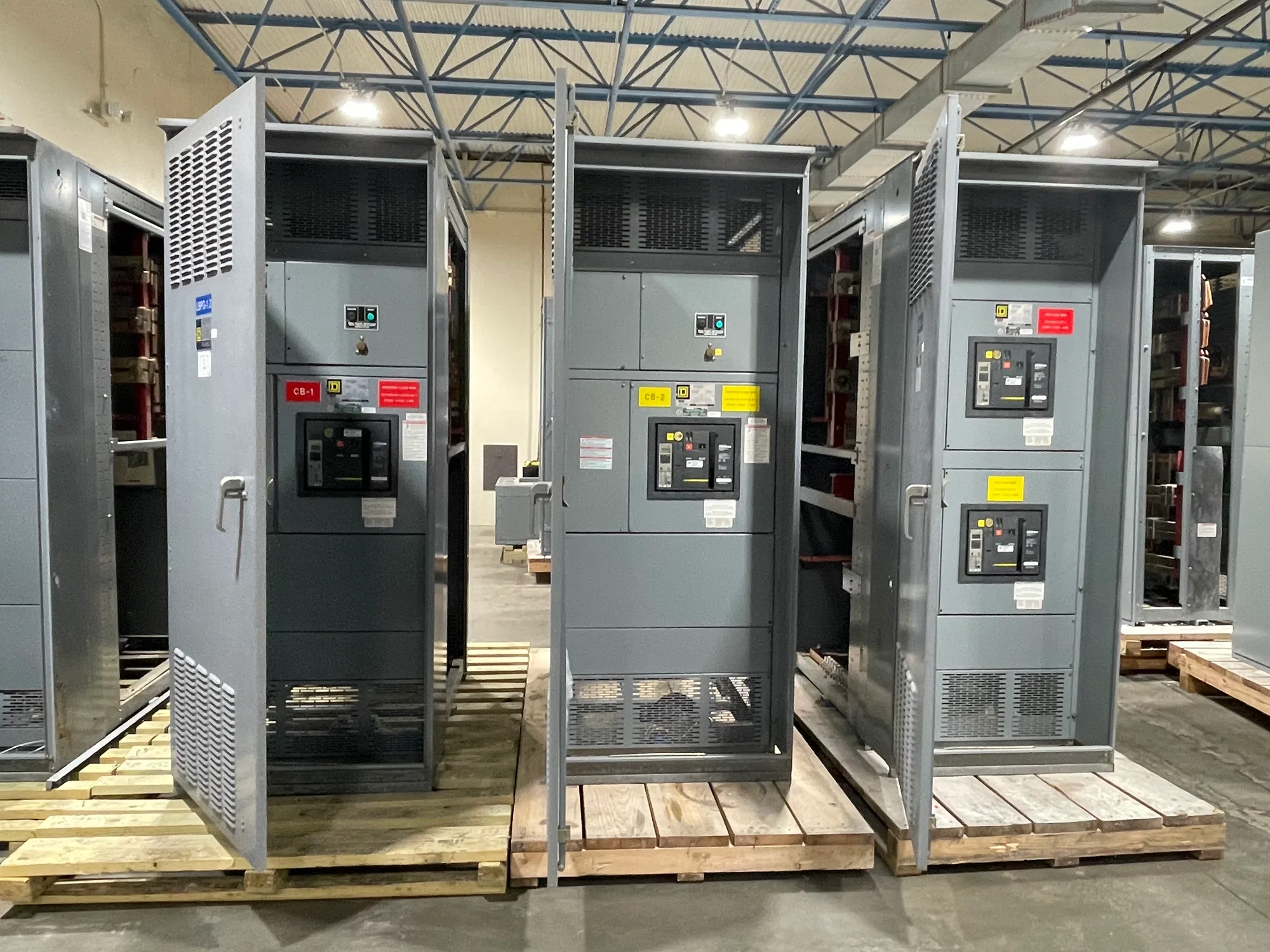
Treat BIL as One Part of Insulation Coordination
Basic impulse insulation level (BIL) expresses an insulation system’s ability to withstand a specified lightning impulse voltage under defined test conditions. It is an important medium-voltage specification input, but it does not independently describe every stress the equipment may encounter or guarantee protection from surges. Begin by identifying the system’s highest voltage, grounding arrangement, equipment location, and the insulation levels of connected components. Then consider how lightning and switching surges can reach the installation and what protective devices are planned. The objective is coordinated insulation: the withstand capabilities of switchgear, cables, transformers, instrument transformers, and surge arresters must make sense as a system. A BIL selected without that context can create either inadequate margin or unnecessary cost and design constraints. Qualified electrical professionals should determine the applicable insulation-coordination approach, ratings, and code requirements for the project.
Assess Surge Exposure at the Installation
Surge exposure depends on more than whether a facility is indoors or outdoors. Relevant conditions include overhead-line connections, nearby lightning activity, feeder length and routing, grounding quality, switching operations, and the presence and placement of surge arresters. A service entrance fed by overhead conductors may face a different incoming surge environment from a compact installation supplied through a long underground cable, but neither arrangement should be assigned a BIL by rule of thumb. Ask the engineer of record or utility for the system study, design criteria, and any prescribed insulation levels. Confirm whether the equipment is at a line termination, transformer interface, or intermediate distribution point, since location affects the protective scheme. Document the assumptions about surge sources and mitigation so that the specified BIL can be reviewed alongside the actual exposure rather than treated as an isolated catalog choice.
| System | Voltage, phase, current and available fault current |
|---|---|
| Configuration | Lineup, protection, controls and enclosure as specified |
| Compliance | Applicable standards and listing confirmed for the assembly |
| Delivery | California and nationwide; schedule confirmed by quote |
Coordinate Arresters and Equipment Withstand Levels
Surge arresters limit overvoltage at their terminals; they do not eliminate the need to select appropriate insulation withstand levels. Their protective performance depends on characteristics such as rating, discharge behavior, connection length, grounding path, and separation from the equipment being protected. Long leads or poor grounding can increase the voltage appearing at switchgear terminals during a surge. Coordination therefore considers the arrester’s protective level in relation to the BIL of the switchgear and other connected apparatus, with suitable margin for system conditions and uncertainty. Review the complete path from the point where a surge enters to the equipment terminals, including cable and bus connections. Avoid specifying an arrester or BIL based solely on nominal system voltage. The project’s protection engineer should establish device selection and placement, then communicate the intended coordination assumptions to the switchgear supplier for design review.
Specify the System Conditions and Interfaces
A useful specification states the nominal and maximum system voltage, frequency, grounding method, and the required BIL for each relevant medium-voltage assembly or interface. Identify whether the requirement applies to incoming and outgoing compartments, bus, cable terminations, or particular connected devices; do not assume all components share identical insulation characteristics. Provide one-line diagrams, equipment schedules, utility criteria, and available protection studies, along with details of arresters and the intended grounding arrangement. Note environmental conditions and installation configuration when they affect clearances, cable routing, or surge paths. If a value is preliminary, label it as such and identify who will confirm it before design release. This information helps resolve interfaces early, particularly where switchgear connects to transformers, motors, or existing distribution equipment. Clear scope prevents conflicting ratings from being carried into drawings, procurement documents, and final equipment review.
Confirm Applicable Standards and Final Design Inputs
BIL terminology and impulse-test requirements should be checked against the standards applicable to the specific medium-voltage equipment and project. Requirements can vary with equipment type, voltage class, and governing utility or owner criteria, so identify the relevant standard and edition rather than relying on a generic reference. A stated withstand level is a design requirement, not by itself evidence of a third-party listing or approval. Before procurement, have qualified professionals verify the selected BIL against system studies, arrester coordination, grounding, connected equipment, and applicable codes. Resolve any disagreement between utility criteria, project drawings, and equipment schedules before the design is finalized. When requesting a proposal for new switchgear, provide the current specification and clearly flag unresolved assumptions or schedule-sensitive constraints. A focused technical review can identify missing interface information and help establish a coordinated design basis without substituting for the project engineer’s responsibility.