What an IP rating communicates
An Ingress Protection, or IP, code classifies how an enclosure resists access to hazardous parts and the entry of solid objects and water under defined test conditions. It is commonly written as “IP” followed by two numerals, such as IP54. The first numeral concerns access and solid-particle ingress; the second concerns water. A higher numeral indicates a different or more demanding test within that category, but it does not mean an enclosure is universally “weatherproof.” The code describes specific test exposure, not every combination of rain, dust, pressure, duration, temperature or installation detail a site may present. When comparing equipment, check the exact code and the standard and test conditions behind it rather than relying on broad terms such as dust-tight or outdoor-rated. The required protection is a project design input to review with qualified professionals alongside electrical ratings, safety, applicable codes and the equipment’s intended use.
Read the solid-object digit carefully
The first IP numeral runs from 0 through 6, with the upper end indicating dust-tight protection under the applicable test. Lower values address progressively more limited protection against access or solid objects; they should not be treated as interchangeable simply because both are nonzero. For example, a requirement aimed at preventing access by a tool is different from a requirement aimed at limiting fine dust entry. Where the first characteristic numeral is omitted or not specified, an “X” may appear in its place, as in IPX4; that notation does not establish any solid-ingress protection level. Define what threatens the enclosure at the site: conductive dust, fibers, grit, occasional debris or ordinary human access can lead to different requirements. Also consider whether deposited material could impair heat dissipation, insulation clearances, mechanisms or maintenance. The IP code does not by itself establish resistance to corrosion, chemical exposure, impact, condensation or internal contamination from cable entries.
| System | Voltage, phase, current and available fault current |
|---|---|
| Configuration | Lineup, protection, controls and enclosure as specified |
| Compliance | Applicable standards and listing confirmed for the assembly |
| Delivery | California and nationwide; schedule confirmed by quote |
Match the water digit to exposure
The second numeral describes protection against water exposure under specified test methods. The scale distinguishes conditions such as dripping, spraying, splashing, water jets and temporary immersion; the exact meaning depends on the applicable standard and test setup. A higher number is not a blanket guarantee against every water hazard, and jet protection should not be assumed to cover immersion. If water is a concern, describe how it reaches the equipment: wind-driven rain, washdown, hose direction and pressure, standing water, roof runoff, condensation or flooding are not equivalent conditions. State whether exposure is routine or occasional and whether the enclosure is indoors, outdoors or within another protective structure. An “X” for the second numeral means that water protection is not stated in that position, not that water resistance has been proven. Verify that the selected code addresses the actual exposure, and separately assess drainage, corrosion, seals and temperature-related condensation risks.
Specify installation and boundary conditions
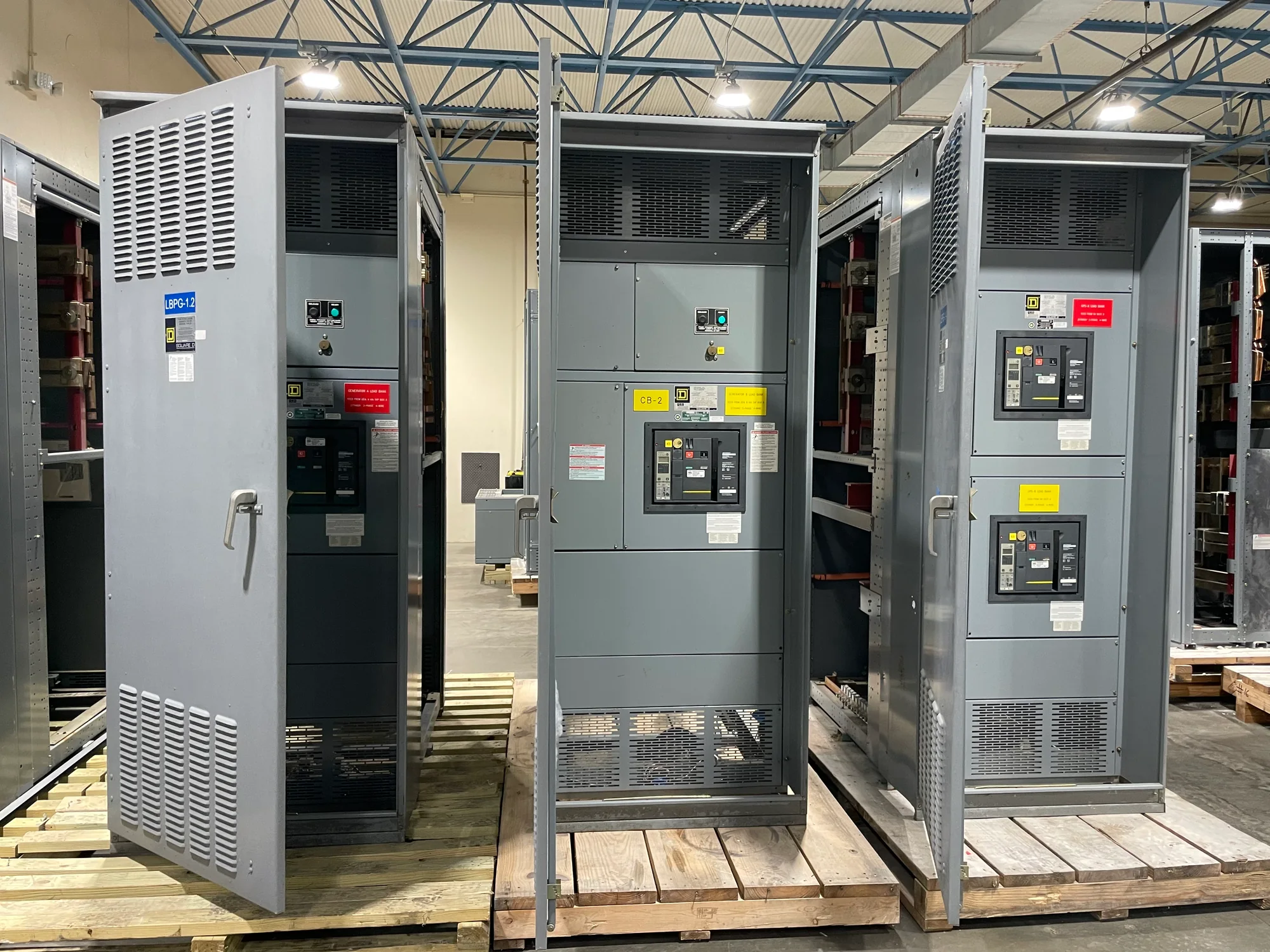
An IP rating applies to a defined enclosure configuration and test condition, so installation details can matter as much as the number. Identify whether the requirement applies to the complete switchgear assembly, a particular compartment, or an enclosure component. Document mounting orientation, doors and access panels, ventilation openings, cable-entry locations, conduit hubs, glands and any field-installed accessories. Openings or modifications can affect ingress protection; do not assume that a rating remains valid after a field change unless the resulting configuration is evaluated. Explain whether doors must remain closed during exposure and how frequently operators need access. Consider temperature rise and cooling needs at the same time: reducing openings to improve dust or water resistance can constrain airflow and affect equipment design. For projects with washdown, outdoor exposure or unusual contaminants, share site photographs or drawings, cleaning practices, environmental data and the relevant specification language early. These details help the manufacturer and project team assess a practical design basis rather than guess from a desired IP code alone.
Build a useful project specification
A clear request states the required IP code, the standard or specification governing its interpretation, the equipment boundary to which it applies, and the conditions that drive the requirement. Include voltage and system information, installation location, environmental exposure, operating and maintenance needs, and any limits on enclosure dimensions or cooling. Identify project standards, authority requirements and acceptance documentation that must be reviewed; the code alone does not establish an electrical rating, a safety approval or compliance with every applicable rule. For medium- or high-voltage equipment, identify and verify the standards applicable to that specific equipment rather than assuming a low-voltage enclosure designation answers the question. Qualified professionals should determine protection, ratings and applicable codes for each project. When requesting a quotation for new equipment, provide drawings, one-line diagrams, specifications and a list of deviations or unresolved items. Switchgear Builder California can review the supplied project requirements with the customer to clarify the intended exposure and identify points requiring confirmation before design proceeds.