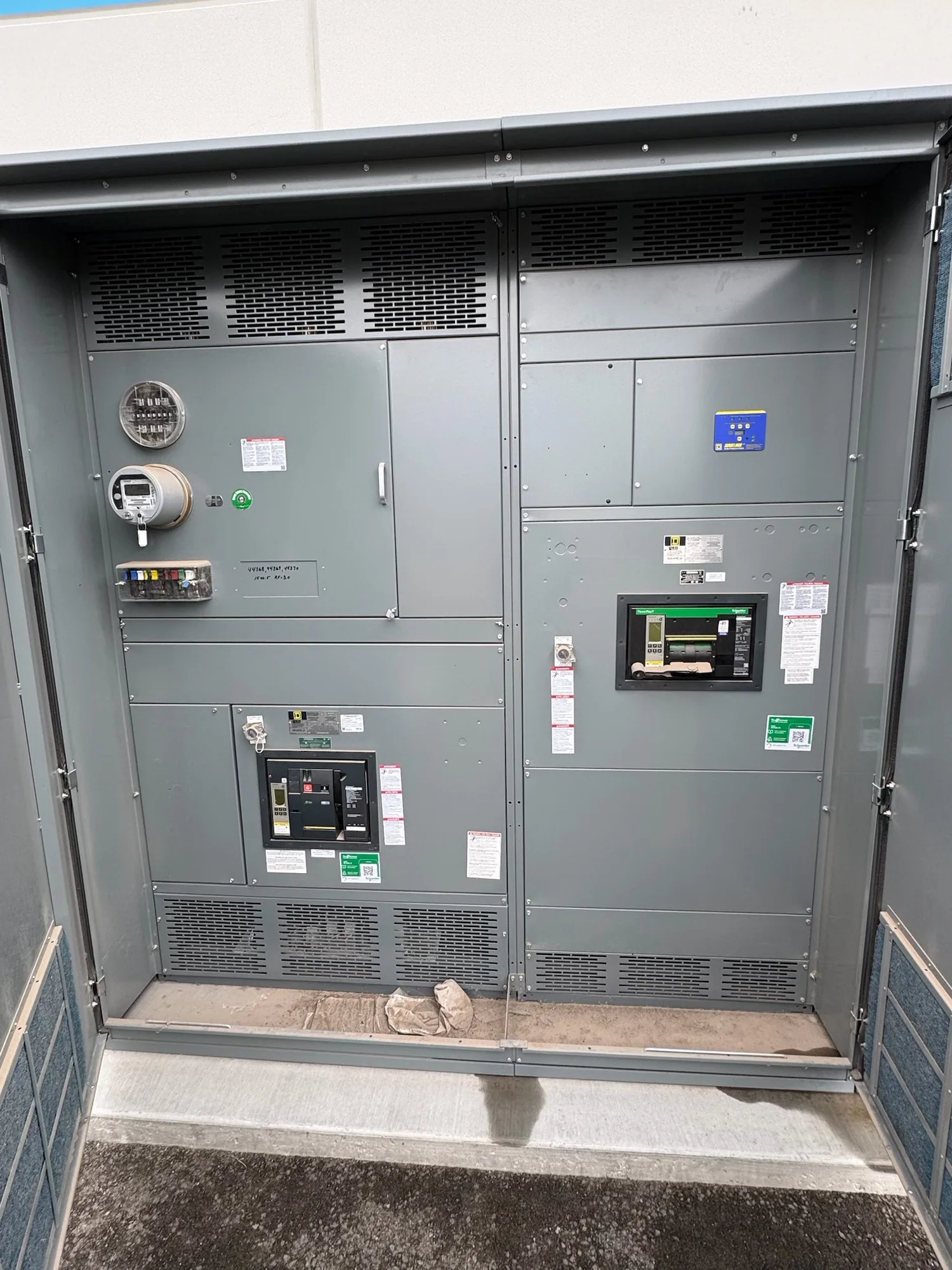
Start with the actual installation environment
An indoor or outdoor designation is only a starting point for enclosure selection. Describe the equipment’s real surroundings: whether it will sit in a conditioned electrical room, an unconditioned space, a covered exterior area or fully exposed outdoors. Consider rain, windblown dust, washdown, condensation, salt air, corrosive chemicals, temperature swings and the possibility of standing water. A sheltered location can still experience humidity, airborne contaminants or water entering through doors and cable openings. Conversely, an indoor room may have demanding conditions from process dust, cleaning practices or nearby equipment. Identify routine conditions as well as credible occasional events, then distinguish them from hazards the enclosure is not intended to address. This context helps the project team specify a suitable enclosure type rather than relying on a broad label. Qualified professionals should evaluate applicable codes, site hazards and equipment requirements for each installation.
Understand what the specified rating covers
Enclosure type designations describe defined protections, but they are not interchangeable shorthand for every environmental concern. The project specification should identify the exact rating required and the environmental exposure it is meant to address. Do not assume that a rating for protection against particular ingress conditions also establishes resistance to corrosion, extreme temperatures, internal condensation, impact, hazardous locations or every cleaning method. Those needs may require separate design criteria or confirmation. Likewise, an outdoor location does not automatically indicate one universal rating; the site’s exposure and the installation arrangement matter. Ask the engineer of record or responsible design professional to state the governing standard and rating, where applicable, and to clarify any supplementary requirements. When reviewing a proposed assembly, compare documented enclosure details against the project’s stated criteria. Avoid substituting a more familiar designation without confirming that it addresses the same exposure and intended use.
| System | Voltage, phase, current and available fault current |
|---|---|
| Configuration | Lineup, protection, controls and enclosure as specified |
| Compliance | Applicable standards and listing confirmed for the assembly |
| Delivery | California and nationwide; schedule confirmed by quote |
Coordinate openings, interfaces and field installation
An enclosure’s performance depends on the complete installation, not just its doors and exterior panels. Cable entry locations, conduit hubs, ventilation openings, louvers, lifting provisions, access doors and connections to adjacent sections can all affect how the assembly handles the specified environment. Confirm whether conductors enter from above, below or through a floor, and identify the intended sealing approach at those interfaces. Review the foundation or housekeeping pad, mounting arrangement, clearances, door swing and working space early enough to avoid field changes. Outdoor installations should account for drainage, exposure beneath overhangs, prevailing weather and the possibility of water collecting near the base. Interior locations may need attention to room airflow, dust sources and maintenance access. Clarify which penetrations and field modifications are included in the equipment scope and which are by others. Any change to enclosure openings or sealing should be reviewed by qualified personnel against the required rating and applicable installation rules.
Balance environmental protection with operation
More enclosure protection is not automatically a better choice for every application. A tightly enclosed design can constrain heat rejection, while ventilation that helps manage temperature may introduce an exposure path that conflicts with the required environmental protection. Electrical losses, ambient temperature, loading, operating cycles and available cooling methods should therefore be considered together with the rating. Also evaluate how operators will inspect, maintain and access the equipment without compromising doors, seals or other protective features. In corrosive or coastal settings, material and finish choices may be important, but the appropriate solution depends on the specific contaminants, cleaning practices and expected service conditions. Do not treat a general-purpose finish as proof of suitability for a particular chemical or atmosphere. Ask the design team to resolve thermal, access and environmental criteria as a coordinated set, and to identify any assumptions that need confirmation before equipment details are finalized.
Provide clear requirements for a reliable review
For a useful enclosure review, provide the one-line diagram and equipment scope along with the installation location, indoor or outdoor status, required enclosure designation, ambient conditions and any unusual exposure. Include project drawings showing orientation, mounting, cable entry points and nearby walls or equipment. State whether the site involves washdown, salt, chemicals, dust, condensation, direct weather or other conditions, and identify any governing project specifications or standards. If the rating is not yet settled, describe the hazards and ask the responsible engineer to establish the requirement rather than selecting a designation by assumption. Switchgear Builder California builds new switchgear in the USA with American components and can review project information to clarify enclosure-related design inputs and details requiring confirmation. Share requirements early, before procurement and layout decisions are fixed. Final ratings, protection and code compliance must be determined for the specific equipment and installation by qualified professionals.