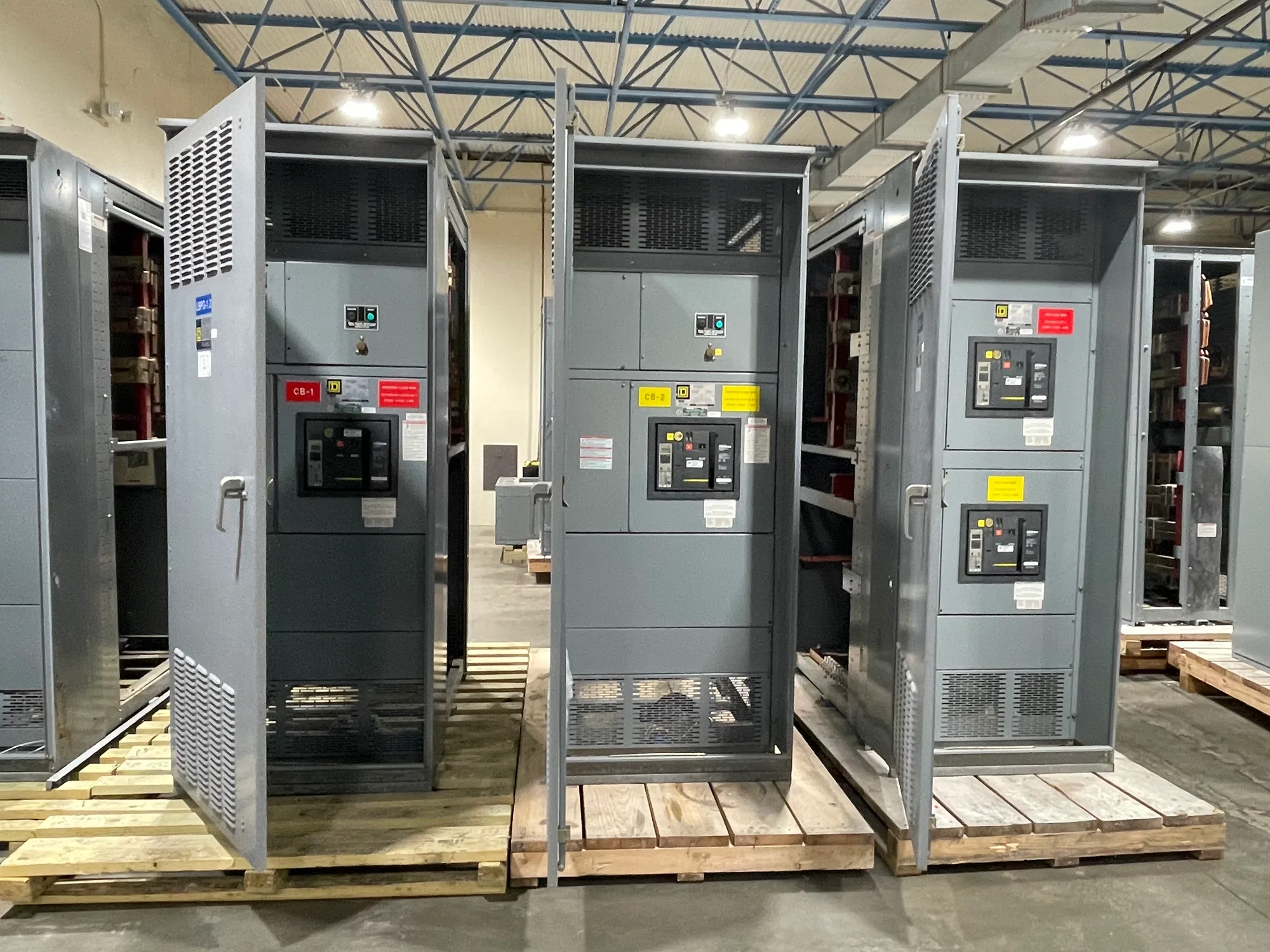
Separate System Voltage from Equipment Class
A 35 kV system description identifies the nominal voltage of the electrical network; it does not, by itself, specify the rated voltage of the switchgear. Equipment is selected from a voltage class suited to the system’s maximum operating conditions and insulation requirements. In many projects, 35 kV nominal service leads the design team to evaluate 38 kV-class equipment, but that convention is not a substitute for checking the governing specification and applicable standards. Confirm what the project means by “35 kV”: nominal system voltage, maximum system voltage, or a procurement designation. Then state the required equipment class explicitly. This distinction helps prevent a mismatch between the one-line diagram, technical schedules, and bid documents. It also gives the manufacturer a clear basis for reviewing the proposed configuration rather than relying on a shorthand label that may conceal important electrical requirements.
Confirm the Rating of Each Assembly and Device
The assembly’s voltage class is only one part of a complete rating review. Specify and verify the rated voltage of the proposed switchgear assembly and of the devices installed in it, including switching and interrupting devices, as applicable to the design. Check that ratings are appropriate for the intended function and are consistent with the system study and project requirements. Other key inputs may include continuous current, short-circuit duty, operating frequency, insulation level, and the conditions under which the equipment will operate. Do not assume that a component’s nameplate value automatically establishes the capability of the completed assembly, or that every device in a lineup has identical ratings. Ask for the relevant rating information in the proposal and technical submittals, and resolve exceptions before approval. Qualified professionals should determine required ratings and protection for the specific installation.
| System | Voltage, phase, current and available fault current |
|---|---|
| Configuration | Lineup, protection, controls and enclosure as specified |
| Compliance | Applicable standards and listing confirmed for the assembly |
| Delivery | California and nationwide; schedule confirmed by quote |
Coordinate Insulation and System Conditions
Voltage selection should be coordinated with insulation requirements and the actual network environment, not treated as an isolated catalog choice. The engineering team should identify grounding method, expected switching conditions, exposure to lightning or other surges, and any applicable insulation-coordination criteria. These details can influence the required withstand levels and the selection of associated protective devices. Environmental conditions also matter: altitude, ambient temperature, contamination, moisture, and installation location may affect equipment application or require design review. Provide these conditions early, especially when the equipment will be installed indoors, outdoors, or in a constrained enclosure. Confirm assumptions with the project’s responsible electrical engineer and the equipment builder. A clear basis of design reduces ambiguity when comparing proposals and helps ensure the selected class and ratings address the complete operating environment rather than nominal voltage alone.
Define Protection, Fault Duty, and Interfaces
A 35 kV distribution package must fit into the protection and operating scheme of the facility or utility network. Share the available fault-current information, protective-device coordination requirements, grounding approach, and intended operating sequence. Identify whether the design involves incoming and outgoing feeders, transformer connections, metering, interlocking, remote operation, or integration with supervisory controls. These are project-specific design inputs, not automatic features of every assembly. Review how device ratings relate to the calculated duty and to upstream and downstream protection, and identify any limits or assumptions that need resolution. Practical interface details can be just as important as voltage class: cable entry direction, termination provisions, clearances, access, control power, and communication requirements should be stated in the specification. Qualified professionals determine protection, ratings, and applicable codes for each project; the manufacturer can review the supplied requirements for alignment with the proposed equipment.
Build a Clear Specification and Review Submittals
A useful inquiry identifies the nominal system voltage, maximum operating voltage, required equipment class, and the rated voltage expected for each proposed assembly and device. Include a one-line diagram, load and fault data, applicable project standards, site conditions, layout constraints, cable information, and required control or metering interfaces. For medium-voltage equipment, identify the standards and code requirements applicable to the particular equipment and installation, then verify them during engineering review. Do not treat a standard reference as proof of a third-party listing or approval. California projects and projects elsewhere in the United States can share these technical inputs when requesting new equipment; shipping arrangements and project scope should be confirmed for each order. Ask questions early if the specification uses “35 kV” without distinguishing nominal voltage from equipment class. A documented rating schedule makes proposal evaluation, submittal review, and coordination with the installation team more dependable.